September 25, 2026


A few years ago, Dermal Fillers had a reputation problem.
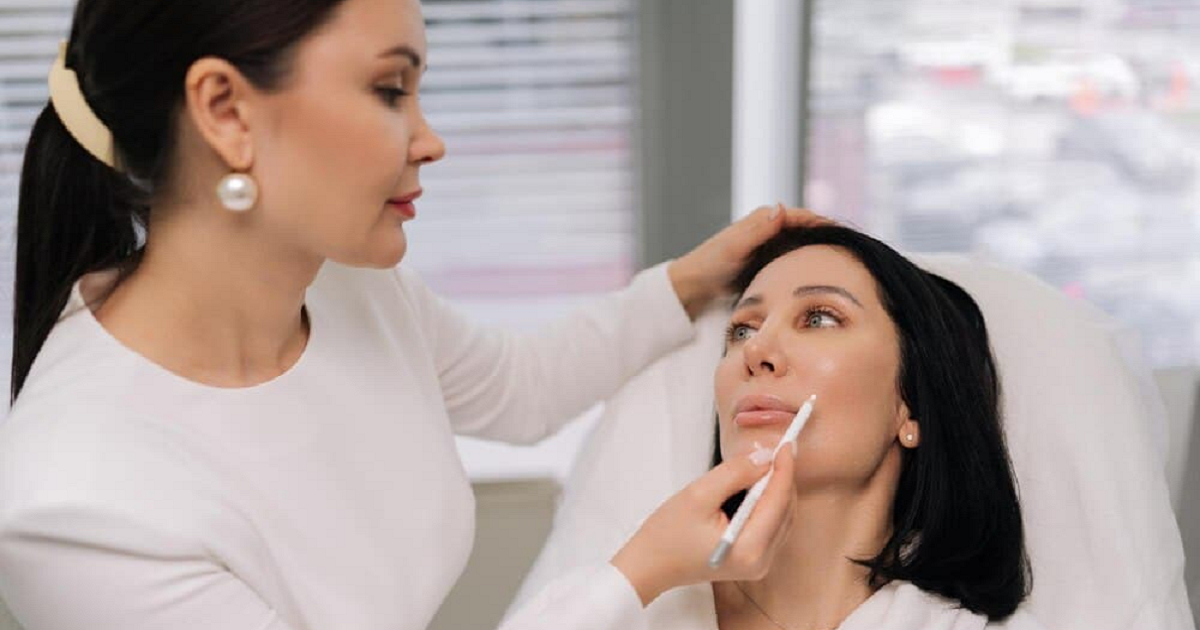
People immediately thought of overfilled lips, stiff cheeks, or faces that looked dramatically different overnight. But aesthetic medicine has changed fast, and that’s exactly why Natural-Looking Fillers: Latest Techniques in 2026 has become such a major focus in the industry today.
Patients today want refreshed skin, softer contours, and healthier-looking features without looking obviously treated. That shift has pushed clinics and injectors toward techniques that prioritize balance, anatomy, and subtle enhancement instead of volume alone.
After watching how filler trends evolved over the past decade, one thing is clear: natural-looking results now matter more than dramatic transformations.
Natural-looking fillers don’t mean invisible results.
The goal is usually to help someone look:
The best filler work often goes unnoticed because people simply assume you look healthier or less tired.
That’s a major difference from older trends where exaggerated volume was considered fashionable.
Most top-ranking articles talk about filler trends but skip why practitioners changed their approach.
There are a few real reasons:
People now research facial anatomy, filler migration, and long-term outcomes before booking appointments.
Patients ask smarter questions than they did five years ago.
The “pillow face” look triggered a noticeable shift toward a subtler aesthetic.
Many patients now specifically request:
Modern injectors understand facial structure more deeply than before. Advanced techniques now focus on supporting natural facial movement rather than simply adding volume.
One of the biggest trends in 2026 is micro-dosing.
Instead of injecting large amounts in one session, practitioners use tiny quantities strategically across different areas of the face.
This approach:
I’ve noticed many experienced injectors now prefer gradual enhancement because patients almost always feel more comfortable adjusting slowly.
Older filler techniques often focused mainly on surface volume.
Now, many practitioners place fillers deeper along structural support points of the face, including:
This creates a subtle lifting effect without making the skin appear heavy.
Clinics specializing in Fillers in Islamabad have increasingly adopted these structural techniques because patients are specifically asking for elegant, natural outcomes rather than dramatic volume.
Blunt-tip cannulas have become far more common in advanced filler procedures.
Compared to traditional needles, cannulas may:
Not every area is treated with a cannula, but many injectors now combine both methods depending on facial anatomy.
This is one area competitors often barely mention.
In 2026, fillers aren’t only about volume anymore. Skin quality has become a major focus.
Some newer filler approaches stimulate collagen production while subtly improving:
Patients increasingly want treatments that age well over time instead of creating artificial fullness.
One-size-fits-all filler treatments are fading out.
Advanced injectors now use customized facial assessment techniques based on:
That matters because copying someone else’s filler style rarely works in real life.
A naturally youthful face depends on proportion, not simply larger lips or sharper cheeks.
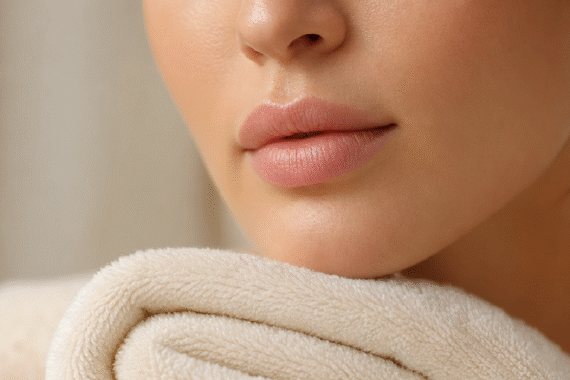
Modern lip filler trends focus more on:
Overly projected lips are becoming less common.
Careful under-eye filler placement can reduce a tired appearance, though this area still requires high expertise because complications are more technically challenging here.
Subtle contouring remains extremely popular because it improves facial balance without looking obvious.
Restoring lost volume in these areas often creates a healthier appearance without making patients look “filled.”
Patients often obsess over filler brands, but technique matters far more.
A skilled injector understands:
Poor technique with premium filler can still produce unnatural results.
That’s something aesthetic practitioners like Dr Afsheen Bilal have emphasized repeatedly in patient education discussions: subtle enhancement only works when treatment planning is individualized rather than trend-driven.
A trustworthy filler consultation shouldn’t sound like marketing.
Even modern fillers carry potential risks:
Natural-looking results also require restraint. Sometimes the best treatment plan is using less product than the patient initially expected.
How Long do Natural Fillers Last?
Most hyaluronic acid fillers last between 6 and 18 months, depending on the area treated and metabolism.
Can Fillers Look Completely Natural?
Yes, when performed conservatively by a skilled injector, fillers can be very subtle.
What’s the Biggest Filler Trend in 2026?
Micro-dosing and structural balancing are currently among the biggest trends.
Are Fillers Safer Now Than Before?
Techniques, training, and products have improved significantly, but fillers still require proper medical expertise.
Do Fillers Stretch the Skin Over Time?
Excessive or repeated overfilling may affect tissue quality in some patients, which is why modern approaches favor moderation.
Natural-looking fillers in 2026 are less about chasing trends and more about preserving facial harmony.
The best results don’t erase personality or change someone beyond recognition. They simply soften tiredness, restore balance, and help features look healthier in a believable way.
At Dr Afsheen Bilal Clinic, the focus on subtle, anatomy-based enhancement reflects this growing shift toward personalized aesthetic treatments rather than exaggerated trends.
That shift toward subtle aesthetics is probably the healthiest direction the industry has taken in years. Patients are becoming more informed, practitioners are focusing more on anatomy and restraint, and the conversation around fillers finally feels more realistic than performative.