August 31, 2026


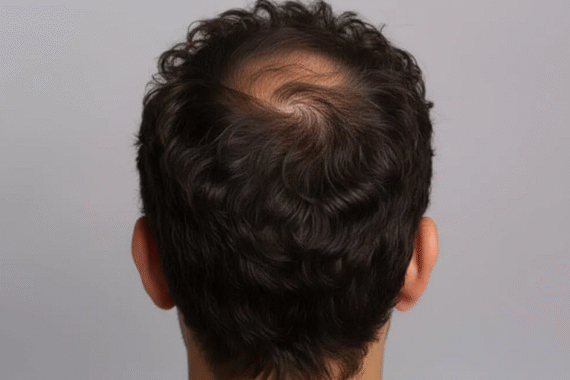
Facial aesthetics have taken center stage in modern grooming, and in 2026, beard and eyebrow restoration has become more than just a cosmetic choice; it’s a confidence decision. Whether it’s patchy beard growth or naturally thin eyebrows, people are increasingly turning toward permanent solutions like Hair Transplants instead of temporary fixes.
From my experience working closely in the hair restoration field and observing evolving patient expectations, the demand has shifted sharply toward precision-based facial hair design rather than just density improvement.
If you look at top-ranking clinics and medical content online, most already cover basics like “what is a transplant” or “how follicles are extracted.” But what they often miss is why demand is accelerating so fast right now.
Here’s what’s actually driving the trend:
In clinics like those led by experienced specialists such as Dr Afsheen Bilal, patients often come in with highly specific expectations not just “fill gaps,” but “design my beard line to suit my face shape.”
After reviewing several high-ranking pages on this topic, I noticed a few gaps:
Most content oversells results without explaining density limitations or healing timelines properly.
Few articles talk about how the beard or eyebrow shape must match the bone structure and ethnicity.
Older posts still rely on outdated techniques without discussing newer hybrid extraction methods and improved graft survival rates.
Very few explain why patients emotionally choose facial hair restoration—confidence, identity, or correcting lifelong insecurity.
This article fills those gaps by focusing on real-world expectations and modern advancements.
The beard transplant procedure has evolved significantly. The standard FUE method is now often combined with more refined implantation angles to mimic natural growth direction.
Key improvements include:
A well-planned beard transplant isn’t just medical, it’s artistic. Surgeons now treat facial hair like a design framework rather than a uniform patch.
Eyebrow restoration requires even more precision than beard work. Why? Because eyebrows are visible symmetry markers on the face.
In practices offering Eyebrow Hair Transplant in Islamabad, patients often request:
The challenge is angle control. Eyebrow hair grows flat against the skin, not outward like scalp hair. Even a slight error can make results look unnatural.
This is where experienced specialists like Dr Afsheen Bilal are often referenced by patients, especially those who want subtle, feminine-soft or naturally masculine eyebrow shaping rather than exaggerated density.
Not everyone is automatically suitable for facial hair transplants. Based on clinical patterns, ideal candidates usually have:
One thing often overlooked online is donor management. Overharvesting can lead to visible thinning in the scalp if not planned properly.
Most competitors simplify recovery into “quick and easy,” but the reality is more layered:
Patience is part of the process, something many first-time patients underestimate.
Even with modern techniques, no procedure is risk-free. Some common considerations include:
A good surgeon will always explain these honestly rather than promise perfection.
Is a Beard Transplant Permanent?
Yes, transplanted follicles are usually permanent once they fully settle and grow.
Does Eyebrow Transplant Look Natural?
It can look extremely natural if hair direction and density are carefully planned.
How Long Does it Take to See Full Results?
Most patients see final results within 9–12 months.
Is Eyebrow Hair Transplant in Islamabad Common?
Yes, demand is increasing rapidly, especially among younger patients seeking aesthetic refinement.
Does the Procedure Hurt?
Local anesthesia is used, so discomfort is minimal during the procedure.
The landscape of facial hair restoration is changing quickly in 2026. It’s no longer just about filling gaps; it’s about designing identity. Beard and eyebrow transplants have become highly personalized procedures where medical precision meets aesthetic judgment.
From what I’ve seen in clinical settings and patient consultations, outcomes depend less on “miracle techniques” and more on surgeon experience, planning, and honest communication. Specialists like Dr Afsheen Bilal often emphasize this balance where natural design matters just as much as graft survival.
If you’re considering facial hair restoration, the best results come when expectations are aligned with biology, not social media perfection.