September 16, 2026


If you’ve started laser hair removal, seeing hair grow back between appointments can be confusing. You may wonder, Can You Shave Between Laser Hair Removal Sessions? The good news is that shaving is generally considered a suitable way to manage regrowth during a laser treatment course. Unlike waxing or plucking, shaving cuts the hair at the skin’s surface without pulling it from the follicle.
For patients considering Laser Hair Removal in Islamabad, understanding the difference between shaving and root-removal methods can help protect the treatment schedule and reduce unnecessary irritation.
Yes, you can generally shave between laser hair removal sessions. In fact, shaving is commonly preferred during a treatment course because it doesn’t remove the hair follicle from beneath the skin.
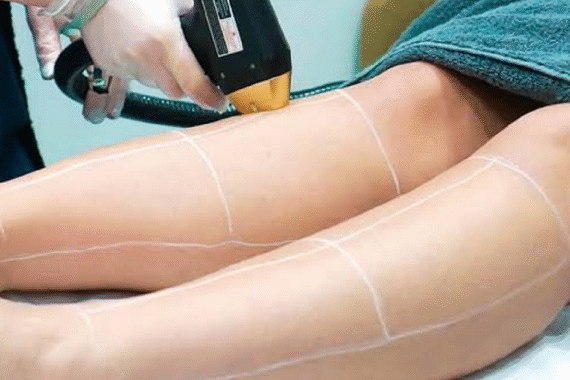
Laser hair removal uses concentrated light energy that is absorbed by pigment associated with the hair and affects the follicle. Since shaving only removes the visible portion of the hair, the follicle remains available for subsequent treatment.
This also means shaving won’t make your hair grow back thicker or darker. It simply cuts the existing hair shaft, which can make new growth feel blunt or stubbly as it emerges.
Laser hair removal usually requires multiple appointments because hair follicles aren’t all in the same growth phase at one time. Treatment is therefore performed at intervals determined by the treatment area and individual hair-growth pattern.
Between appointments, shaving offers several advantages:
As treatment progresses, many patients notice that hair becomes finer, grows more slowly, and appears less dense. However, the response varies according to factors such as hair characteristics, skin type, treatment area, hormonal influences, and the laser settings selected.
The important rule during a laser hair removal course is shave, don’t pull.
Methods that remove hair from the root can interfere with the hair being available for subsequent laser treatment. These include:
When the hair is pulled from the follicle, the laser may have less of the intended target available at the next appointment.
Depilatory creams should also not be used automatically during treatment. They work differently from shaving and may irritate recently treated skin. Ask your practitioner before using them.
There isn’t one universal waiting period for every patient. The safest approach is to wait until the treated skin has settled.
Mild redness, warmth, or small areas of follicular swelling can occur temporarily after treatment. Shaving over skin that is still red, painful, swollen, or irritated can increase discomfort.
Many clinics recommend waiting around 24–48 hours, while some patients may need longer if their skin remains sensitive. Your individual aftercare instructions should take priority.
If the skin still feels irritated, don’t shave yet.
Once the redness and sensitivity have settled, gentle shaving is usually appropriate.
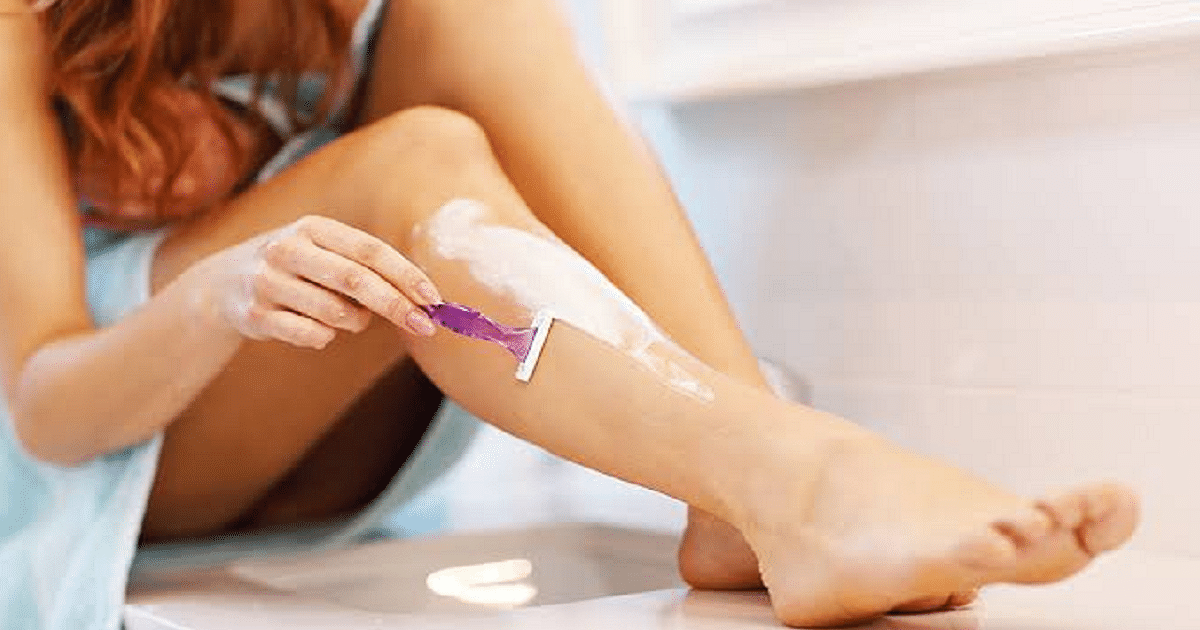
Shaving itself is simple, but technique matters if you want to minimize razor burn, bumps, and irritation.
A dull or dirty blade can tug at the hair and create unnecessary friction. Use a clean razor and avoid sharing it with anyone.
Wash the treatment area gently before shaving. Avoid aggressive scrubbing or exfoliation, particularly if the skin has recently undergone laser treatment.
A mild, fragrance-free shaving gel or cream can help the razor glide across the skin and reduce friction.
Let the razor do the work. Repeatedly going over the same area can increase irritation and razor bumps.
Once you’ve finished, use a gentle moisturizer if your skin tolerates it. Avoid heavily fragranced or irritating products if the area is sensitive.
Usually, yes. Many providers ask patients to shave the treatment area shortly before their appointment, often around 12–24 hours beforehand, although instructions can vary.
The goal is to reduce excess hair above the skin while leaving the follicle underneath intact. This helps limit unnecessary heating of surface hair during treatment.
However, don’t assume every area or patient should follow the same schedule. Your provider may adjust preparation instructions according to the body area, skin sensitivity, hair thickness, and treatment device.
Even when patients know shaving is allowed, several mistakes can make the experience less comfortable.
Shaving immediately after treatment: Give recently treated skin time to settle.
Waxing because regrowth looks noticeable: Hair appearing between sessions doesn’t necessarily mean treatment isn’t working. Some treated hairs shed gradually after treatment.
Plucking individual hairs: Avoid removing hairs from the root during an active treatment course unless your provider specifically tells you otherwise.
Aggressive exfoliation: Scrubs and strong active ingredients can irritate sensitive skin.
Ignoring sun protection: Treated skin can be more sensitive to sunlight, so appropriate sun protection is an important part of aftercare.
Laser hair removal should be viewed as a gradual hair-reduction treatment, rather than a guarantee that every hair will disappear permanently after a specific number of sessions.
Hair grows in cycles, which is one reason multiple treatments are needed. Over a course of treatment, many patients experience slower growth, reduced density, and finer regrowth. Maintenance sessions may also be needed depending on the individual response.
For patients considering laser hair removal in Islamabad, an assessment with a qualified professional can help determine whether the treatment is appropriate and establish realistic expectations.
Dr Afsheen Bilal can be a useful professional reference when discussing individualized skincare and aesthetic treatment planning. Rather than following a generic shaving schedule found online, patients should consider their own skin response and follow the specific preparation and aftercare guidance provided by their treating professional.
Does Shaving Reduce the Effectiveness of Laser Hair Removal?
No. Shaving only cuts the visible hair and doesn’t intentionally remove the follicle from beneath the skin. This is why it is generally compatible with laser treatment.
Can I Wax Between Laser Sessions?
Waxing is generally discouraged during an active laser hair removal course because it pulls the hair from the root. The same concern applies to plucking, threading, and epilating.
Will Shaving Make my Hair Grow Back Thicker?
No. Shaving doesn’t change the thickness or growth rate of the follicle. Hair can temporarily feel coarser because the razor creates a blunt edge as the shaft grows back.
How Often Can I Shave Between Laser Sessions?
There isn’t a fixed number of times. You can generally shave when regrowth becomes bothersome, as long as the skin has recovered and shaving isn’t causing persistent irritation.
How Long Do Laser Hair Removal Results Last?
Results vary. Laser hair removal is intended to provide long-term reduction in hair growth, but some regrowth and maintenance treatments can occur over time.
How Much Does Laser Hair Removal Cost?
The cost depends on factors such as the treatment area, number of sessions, hair characteristics, technology used, and clinic-specific pricing. A consultation is the best way to receive an individualized estimate rather than relying on a single advertised price.
Is Laser Hair Removal Safe for Pakistani skin?
Laser treatment can be performed on a range of skin tones when an appropriate device and settings are selected carefully. Skin type, tanning, hair characteristics, and treatment parameters all matter, so professional assessment is important, particularly for darker or recently tanned skin.
Shaving between laser hair removal sessions is generally not something you need to avoid. In most cases, it is the practical way to manage unwanted regrowth without removing the follicle that laser treatment is designed to target.
The key is to shave gently, wait until post-treatment irritation has settled, and avoid waxing, threading, plucking, or other root-removal methods during your treatment course. If you experience unusual pain, blistering, significant discoloration, or prolonged irritation, contact your treating professional rather than continuing to shave over the affected skin.
Most importantly, laser hair removal works best when treatment timing, device selection, skin preparation, and aftercare are personalized. A professional consultation with Dr Afsheen Bilal can help you understand whether the treatment suits your skin and hair characteristics and what preparation routine is appropriate for your individual needs.