
September 25, 2026


Ingrown hairs sound minor until you’ve dealt with them regularly.
Anyone who shaves, waxes, or epilates frequently knows how frustrating they can become, with painful bumps, redness, itching, dark marks, and irritation that never fully seem to disappear. For some people, especially those with coarse or curly hair, it turns into an ongoing cycle.
That’s one reason How Laser Hair Removal Helps Reduce Ingrown Hairs and Irritation has become such an important topic in modern skincare discussions. Laser Hair Removal is no longer seen as just a cosmetic convenience; many people now seek it specifically to break the cycle of chronic ingrown hairs and persistent skin irritation.
After seeing how often patients struggle with post-shaving inflammation, it’s clear why dermatologists and aesthetic clinics increasingly recommend laser treatments as a longer-term solution instead of temporary hair removal methods.
An ingrown hair happens when hair curls back into the skin instead of growing outward normally.
This commonly leads to:
Ingrown hairs tend to appear most often on:
People with curly or coarse hair are usually more prone to them because the hair naturally bends back toward the skin.
Most top-ranking articles explain what ingrown hairs are, but many don’t fully address how repetitive hair removal damages the skin barrier over time.
Shaving cuts hair at an angle, leaving a sharp tip that can easily re-enter the skin.
Daily shaving also causes:
Waxing removes hair from the root, but repeated pulling may irritate follicles and trigger inflammation in sensitive skin.
These methods can distort hair growth direction and increase the chance of trapped hairs beneath the skin surface.
For many people, no matter how careful they are, the cycle keeps repeating.
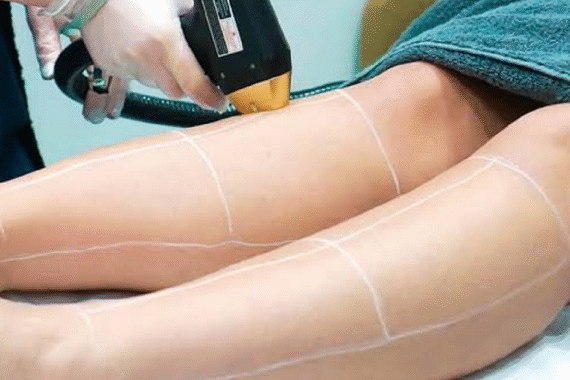
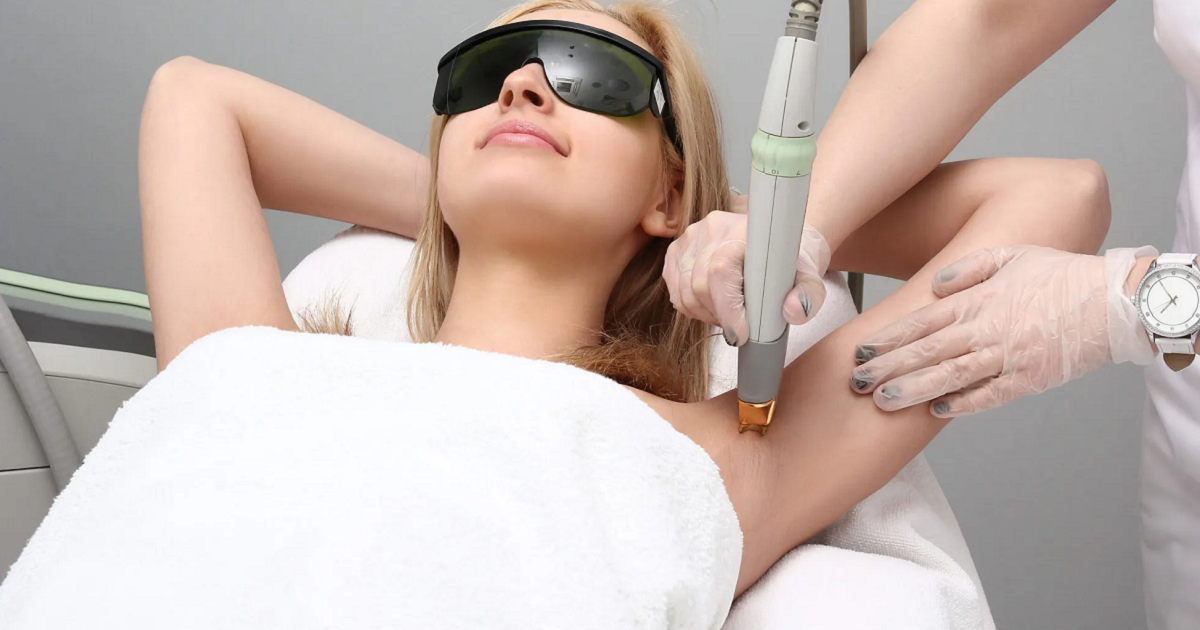
Laser hair removal works by targeting pigment inside the hair follicle with concentrated light energy.
The heat damages the follicle enough to slow or reduce future hair growth.
That matters because fewer active follicles usually mean:
The improvement often becomes noticeable after several sessions rather than immediately after one treatment.
This is the part many competitor blogs gloss over.
Laser hair removal doesn’t just “remove hair.” It changes the entire pattern of hair regrowth.
Over time, treated hair often becomes:
That softer regrowth is far less likely to curl back into the skin and create painful bumps.
For patients dealing with chronic razor burn or folliculitis-like irritation, this can genuinely improve day-to-day comfort.
People with sensitive skin are often hesitant about laser treatments because they assume the procedure itself will worsen irritation.
Ironically, many end up experiencing less irritation long-term because they stop constantly shaving or waxing.
I’ve seen cases where patients who previously couldn’t shave without developing painful neck bumps finally saw improvement after completing several laser sessions.
That said, treatment settings matter enormously. A poorly performed procedure can still irritate the skin temporarily.
This is one of the most common treatment areas.
Frequent shaving combined with friction and tight clothing makes ingrown hairs especially common here.
Men with coarse facial hair often experience severe razor bumps on the neck.
Laser treatments can significantly reduce recurring inflammation.
Laser hair removal may help reduce:
People who shave frequently often notice smoother skin texture after consistent sessions.
Demand for Laser Hair Removal in Islamabad has increased steadily over recent years, especially among patients looking for practical, long-term solutions instead of temporary grooming routines.
A few factors driving this include:
Clinics today also tend to offer more customized treatment plans based on skin type and hair thickness rather than using the same settings for everyone.
One thing missing from many outdated articles is how much laser technology has improved.
Modern systems now often include:
That’s made treatments more accessible for a wider range of patients compared to older-generation lasers.
Practitioners like Dr Afsheen Bilal have also discussed the importance of individualized laser settings because skin tone, hair density, and sensitivity vary significantly between patients.
A trustworthy guide should be realistic.
Laser hair removal usually reduces hair growth significantly, but it may not remove every single hair permanently.
Hormonal conditions can also influence regrowth over time.
Some patients need maintenance sessions occasionally, especially in hormonally sensitive areas like the face.
To help minimize irritation:
Following aftercare instructions matters more than people think.
Does Laser Hair Removal Permanently Stop Ingrown Hairs?
It often reduces them dramatically, though some people may still experience occasional ingrown hairs.
Most patients need around 6–8 sessions for a noticeable long-term reduction.
Is Laser Hair Removal Painful?
Most modern lasers feel like quick snaps or warmth, especially with cooling systems.
Can Lasers Help with Razor Bumps on the Neck?
Yes, especially for men with coarse facial hair prone to pseudofolliculitis barbae.
Is Laser Hair Removal Safe for Darker Skin Tones?
Modern lasers can be safe for darker skin when performed by trained professionals using appropriate technology.
Laser hair removal isn’t only about convenience or aesthetics anymore. For many people, it’s about finally breaking the cycle of irritation, painful bumps, and constant skin sensitivity caused by repeated hair removal.
At Dr Afsheen Bilal Clinic, this treatment is often recommended for patients who struggle with chronic ingrown hairs and post-shaving inflammation, especially in sensitive areas where irritation tends to keep coming back.
The biggest advantage is often the relief people feel after months of smoother, calmer skin especially in areas where shaving once caused nonstop inflammation.
When done properly and with realistic expectations, laser hair removal can be one of the most practical long-term solutions for reducing ingrown hairs and improving overall skin comfort.