September 25, 2026


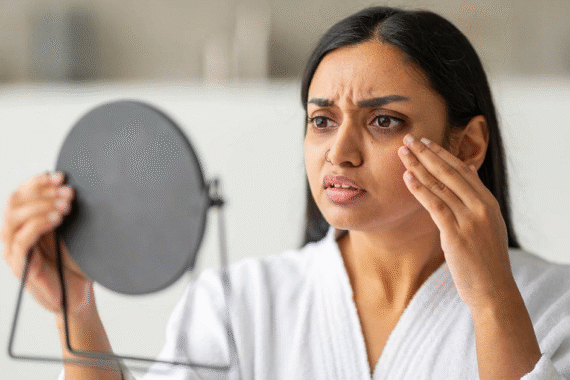
Melasma can be one of the most frustrating pigmentation concerns to manage. You may follow a skincare routine, use brightening products, and still notice brown or greyish patches returning on the cheeks, forehead, nose, or upper lip. The reason is that melasma isn’t simply a surface-level skin problem it can be influenced by sunlight, hormones, genetics, heat, and inflammation.
For people dealing with persistent pigmentation, Advanced Skin Rejuvenation Treatments for Melasma can offer more targeted options than ordinary skincare. However, the right treatment depends heavily on the type of Melasma Treatment, skin tone, pigmentation depth, and how reactive the skin is.
Melasma is a common pigmentation disorder that causes symmetrical dark patches, most often on the face. Hormonal changes, ultraviolet exposure and genetic susceptibility can all contribute to its development.
One important point is that melasma is usually considered a chronic condition. Even when pigmentation improves significantly, it can return if triggers aren’t controlled.
That’s why successful management isn’t necessarily about finding the strongest laser or peel. It’s about creating a treatment strategy that reduces pigmentation while minimizing irritation and recurrence.
There isn’t one universal procedure that works for everyone. Dermatologists may consider a combination of topical treatment, sun protection and carefully selected procedures.
Superficial chemical peels can help remove excess pigment from the upper layers of the skin and improve overall brightness and texture.
Depending on the patient’s skin and condition, dermatologists may consider acids such as glycolic acid or salicylic acid. Peels need to be carefully selected because aggressive treatment can irritate the skin and potentially worsen pigmentation.
For people with darker or more pigment-prone skin, professional assessment is particularly important before treatment.
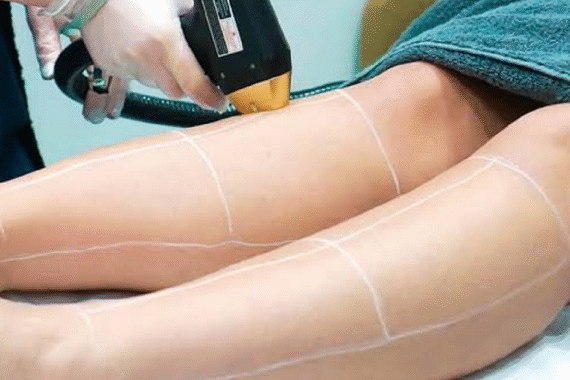
Certain laser and light-based technologies can target unwanted pigmentation or improve skin texture. Options may include Q-switched or picosecond technologies, while other devices may be considered depending on the patient’s specific concern.
However, melasma isn’t the same as an isolated sunspot. Some laser approaches can cause relapse or post-inflammatory pigmentation if used too aggressively. DermNet specifically notes that lasers and IPL require cautious, expert use in melasma.
This is why a lower-energy, staged approach may sometimes be more appropriate than simply increasing laser intensity.
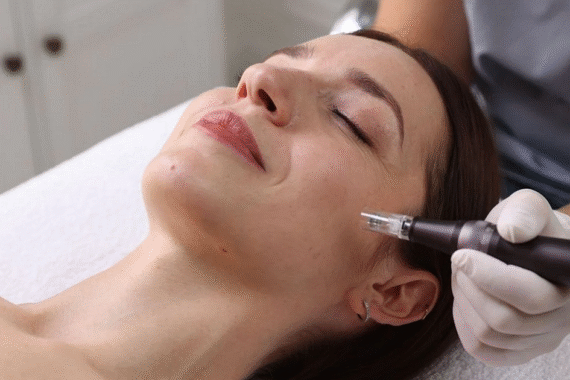
Microneedling creates controlled micro-injuries that stimulate the skin’s natural repair process. It may be considered as part of a broader rejuvenation strategy, particularly when pigmentation is accompanied by uneven texture.
Some clinics also combine microneedling with other treatments, but the exact combination should be selected by a qualified professional rather than copied from another person’s treatment plan.
Advanced rejuvenation doesn’t always mean a procedure.
Topical treatments remain an important part of melasma management. Depending on the patient, dermatologists may recommend ingredients such as hydroquinone, retinoids, azelaic acid, vitamin C, kojic acid or other pigment-modulating agents.
The advantage of combining professional skincare with procedures is that treatment doesn’t stop when you leave the clinic. A suitable maintenance routine can help support results and reduce the likelihood of recurrence.
Tranexamic acid has also been studied for melasma and may be used off-label in dermatology. It can be considered in selected patients, but it’s not something everyone should take independently.
Medical history, medications and individual risk factors need to be reviewed before oral tranexamic acid is considered.
One of the biggest mistakes people make is choosing a treatment simply because they saw impressive before-and-after photographs online.
Melasma can look similar to other pigmentation conditions, but treatment requirements can be different.
A professional assessment may consider:
Dr. Afsheen Bilal takes a personalized approach to pigmentation concerns, with treatment options selected according to the patient’s skin condition rather than relying on a single procedure for everyone. Her clinical practice includes pigmentation and melasma treatments as well as laser-based skin procedures.
A typical professional approach may involve several stages:
1. Skin assessment:
The dermatologist evaluates the pigmentation, skin sensitivity and possible triggers.
2. Treatment selection:
A plan may involve topical therapy, a superficial peel, laser/light treatment, microneedling or a combination.
3. Preparation:
Some patients may need a skincare preparation phase before a procedure to reduce irritation and improve treatment tolerance.
4. Procedure:
The selected treatment is performed according to the patient’s skin characteristics.
5. Recovery and maintenance:
Aftercare becomes an important part of the process, particularly sun protection and avoiding unnecessary irritation.
When appropriately selected, professional treatment may help:
The goal should be controlled improvement, not an unrealistic promise of permanently pigment-free skin.
You may be a suitable candidate if you have persistent melasma that hasn’t responded adequately to basic skincare or if pigmentation is affecting your confidence.
However, treatment may need to be postponed or modified if you have active skin irritation, infection, significant inflammation, or another condition that needs diagnosis first.
People with darker skin tones can still undergo pigmentation treatments, but procedure choice and treatment intensity require particular care because irritation may trigger additional pigmentation.
When searching for Melasma Treatment in Islamabad, don’t judge a clinic only by the equipment it advertises. Ask who will assess your skin, whether the treatment is customized, what risks are involved, and what maintenance will be required afterward.
A good treatment plan should explain both the potential benefits and limitations before a procedure begins.
Dr. Afsheen Bilal’s Islamabad practice offers pigmentation-focused treatments alongside laser and skin rejuvenation procedures, making professional consultation an important first step for patients unsure which approach is appropriate.
The cost of Skin Rejuvenation in Islamabad varies considerably depending on the technology used, number of sessions, treatment area, severity of pigmentation, and whether multiple procedures are combined.
Laser treatment, chemical peels, microneedling, and customized skincare plans can have very different costs. It’s therefore better to receive an individualized quotation after assessment rather than choosing a treatment based only on an advertised price.
Some of the most common mistakes include:
Melasma treatment isn’t a race. Over-treating the skin can sometimes create another pigmentation problem.
Sun protection is one of the most important parts of long-term melasma management. Dermatology guidance recommends broad-spectrum, water-resistant SPF 30 or higher, with reapplication at least every two hours when outdoors. Protective clothing, shade and hats can provide additional protection.
After a procedure, follow your dermatologist’s specific instructions. Avoid introducing strong exfoliants or unfamiliar active ingredients immediately after treatment unless they’re recommended.
How Does Advanced Treatment Work for Melasma?
It depends on the treatment. Peels can help remove superficial pigment, selected lasers can target pigmentation, and topical therapies can regulate pigment production. Many patients benefit from a combination rather than one procedure.
Is Melasma Treatment Safe?
Professional treatment can be safe when appropriately selected and performed, but every procedure carries potential risks. Lasers and peels can sometimes trigger irritation or post-inflammatory pigmentation, particularly when used too aggressively.
How Long Do Results Last?
There is no guaranteed permanent duration. Melasma can recur because its triggers—including sunlight and hormonal influences may continue after pigmentation improves. Long-term sun protection and maintenance skincare are therefore important.
Is One Session Enough?
Usually, patients shouldn’t expect complete improvement from one session. The number of treatments depends on pigmentation severity, treatment type and individual response.
What Should I Expect Before and after Treatment?
Before treatment, expect a skin assessment and discussion of your medical and skincare history. After treatment, temporary redness, sensitivity or peeling may occur depending on the procedure. Your dermatologist will provide aftercare instructions.
Is Advanced Skin Rejuvenation Worth it for Melasma?
It can be worthwhile for appropriately selected patients, particularly when pigmentation is persistent or hasn’t responded adequately to skincare. The key is choosing a treatment based on your skin rather than choosing the most aggressive option available.
Melasma requires a different mindset from ordinary cosmetic pigmentation. The objective isn’t simply to remove visible colour as quickly as possible. A successful strategy balances pigmentation reduction, skin health, safety and long-term maintenance.
Advanced Skin Rejuvenation Treatments for Melasma may include chemical peels, selected laser or light-based procedures, microneedling and medical-grade skincare. But the best approach is highly individual.
If you’re considering Melasma Treatment in Islamabad, a consultation with an experienced dermatologist such as Dr. Afsheen Bilal can help determine which options are appropriate for your skin and whether a combination approach makes sense. The most reliable results come from realistic expectations, professional treatment and consistent protection against the triggers that make melasma return.