September 25, 2026


If you have sensitive skin, trying a new facial can feel like a gamble. One wrong product or an overly aggressive treatment can leave your skin red, irritated, or uncomfortable for days. That’s why one of the most common questions people ask is: Is HydraFacial Safe for Sensitive Skin?
The short answer is yes; in most cases, it can be one of the gentlest professional facial treatments available when it’s customized for your skin type. The key lies in proper assessment, the right serum selection, and an experienced practitioner.
Having observed patients with reactive skin over the years, I’ve noticed that many assume every facial works the same way. That’s simply not true. HydraFacial Treatment is designed differently, which is why it’s often recommended even for people who usually avoid traditional facials.
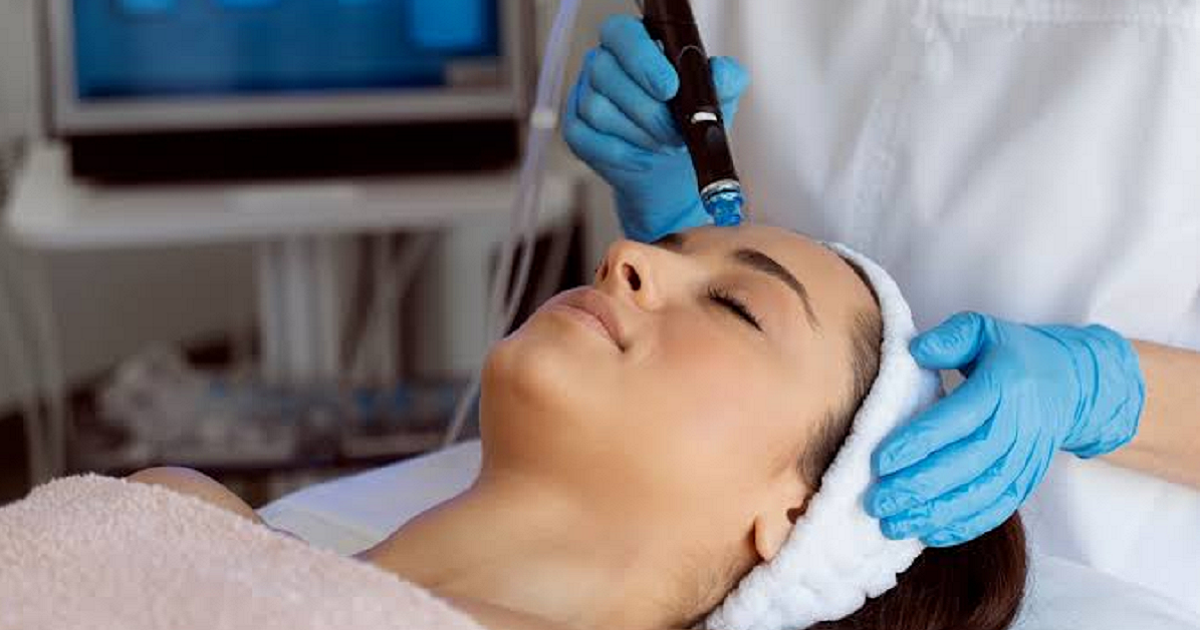
Unlike conventional facials that rely on manual extraction or abrasive exfoliation, HydraFacial uses a specialized device that gently cleanses, exfoliates, extracts impurities, and infuses hydrating serums into the skin.
The treatment typically includes:
Because the process is controlled and customizable, it places far less stress on sensitive skin than many traditional treatments.
Sensitive skin isn’t a medical diagnosis it’s a skin condition characterized by a lower tolerance to environmental factors and skincare ingredients.
Common signs include:
People with these symptoms often worry that any professional facial will trigger a flare-up. Fortunately, HydraFacial can often be adjusted to minimize that risk.
For most people, yes.
The treatment is considered suitable because it focuses on hydration while avoiding harsh mechanical exfoliation. That said, “safe” doesn’t mean identical for everyone.
A qualified provider should always evaluate:
If your skin barrier is severely compromised or you’re experiencing an active inflammatory flare, postponing treatment may be the better choice.
When performed correctly, HydraFacial offers several advantages.
Sensitive skin often struggles with dehydration. HydraFacial delivers hydrating ingredients directly into freshly cleansed skin, helping restore comfort without feeling greasy.
Instead of aggressive scrubbing, the treatment removes dead skin cells in a controlled manner. This often results in smoother skin with less irritation.
Many people with sensitive skin still experience clogged pores. Gentle suction removes debris without the squeezing associated with manual extractions.
One overlooked benefit is improved moisture retention. Well-hydrated skin generally tolerates environmental stress better than dry, compromised skin.
Although HydraFacial suits many skin types, there are situations where delaying treatment is advisable.
You should consult your provider if you have:
Honesty during your consultation is important. Even seemingly minor skin concerns can influence how your treatment should be performed.
Preparation can significantly improve your experience.
A few simple steps include:
These small adjustments help reduce the likelihood of temporary irritation.
One reason many people choose HydraFacial is the minimal downtime.
Most patients notice:
Aftercare matters just as much as the treatment itself.
For the next couple of days:
Even the safest treatment depends on the person performing it.
If you’re considering a HydraFacial treatment in Islamabad, look for a clinic that performs a thorough skin assessment instead of offering the same protocol to every patient.
I’ve seen practices like Dr Afsheen Bilal emphasize individualized treatment planning rather than taking a one-size-fits-all approach. That kind of consultation is particularly valuable for patients with sensitive or reactive skin because small adjustments in technique and serum selection can make a noticeable difference in comfort and results.
Whether you’re booking your first Hydrafacial in Islamabad or exploring options elsewhere, choosing an experienced provider is one of the most important decisions you’ll make.
People often assume that stronger treatments produce better results.
In reality, sensitive skin usually responds better to consistency than intensity.
Avoid these common mistakes:
Healthy skin improvement is usually gradual.
Does HydraFacial Hurt Sensitive Skin?
Most patients describe it as comfortable. Some experience mild tingling during exfoliation, but significant pain is uncommon when the treatment is properly customized.
Can HydraFacial Reduce Redness?
It may improve hydration and overall skin health, which can reduce the appearance of mild redness. However, persistent redness caused by medical skin conditions should be evaluated by a dermatologist.
How Often Should Sensitive Skin Get HydraFacial?
Many providers recommend every 4 to 6 weeks, though the ideal schedule depends on your skin’s condition and goals.
Is There Any Downtime?
Most people return to normal activities immediately. Temporary redness, if present, usually resolves within a few hours.
Can People with Rosacea Have HydraFacial?
Some individuals with well-controlled rosacea may benefit from a modified treatment. Active flare-ups should be assessed by a qualified skincare professional before proceeding.
HydraFacial has earned its reputation because it delivers noticeable results while remaining gentle enough for many people with sensitive skin. The treatment isn’t completely risk-free, but when it’s tailored to your skin and performed by an experienced professional like Dr Afsheen Bilal, Dermatologist Specialist, it’s generally a safe and effective option for improving hydration, texture, and overall skin health.
If you have particularly reactive skin, don’t focus solely on the technology. Focus on the consultation. A skilled practitioner who understands your skin history will always contribute more to your results than any machine alone. That’s what ultimately builds confidence, not just glowing skin after one appointment, but healthier skin over the long term.