August 31, 2026


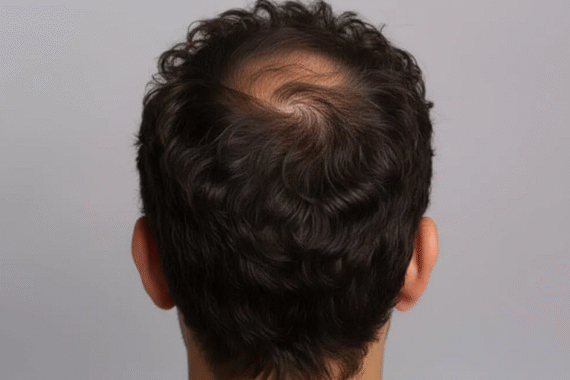
Hair thinning can be frustrating. I’ve spoken with countless people who tried expensive shampoos, vitamins, and home remedies before realizing they were only treating the symptoms, not the underlying cause.
That naturally leads many people to ask: Hair PRP Treatment Benefits: Is It Really Effective? It’s a fair question, especially with so much conflicting information online.
One treatment that has consistently gained attention over the last few years is Platelet-Rich Plasma (PRP) therapy. After following clinical research and discussing treatment outcomes with hair restoration professionals, I’ve found that PRP isn’t a miracle cure, but for the right candidate, it can make a noticeable difference.
If you’re considering PRP Hair Treatment in Islamabad, here’s what you should know before making a decision.
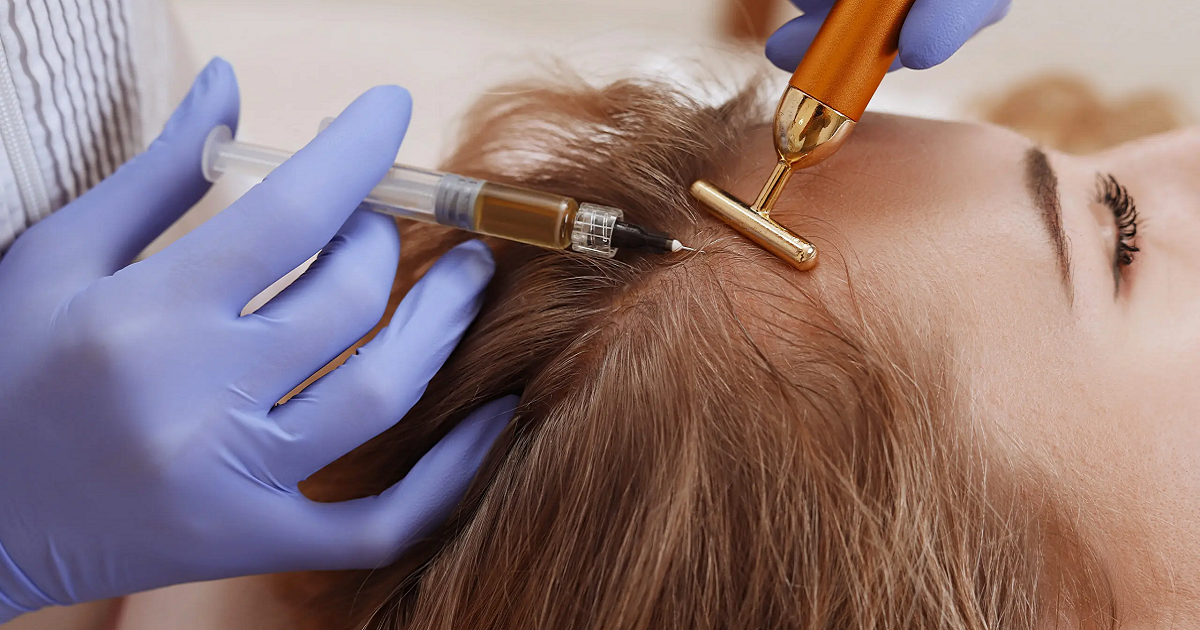
Platelet-Rich Plasma (PRP) therapy is a non-surgical treatment that uses your own blood to stimulate hair follicles.
The procedure is surprisingly straightforward:
Platelets contain natural growth factors that may encourage dormant hair follicles to become more active and support healthier hair growth.
Since the treatment uses your own blood, the risk of allergic reactions is extremely low.
Healthy hair follicles require good blood supply and proper cellular activity.
PRP works by delivering concentrated growth factors directly into the scalp. These proteins are believed to:
It’s important to understand that PRP doesn’t create brand-new hair follicles. Instead, it aims to improve the performance of follicles that are still alive but becoming weaker.
Many articles online simply list benefits without explaining what they actually mean in real life. Here’s what patients often notice after a complete treatment plan.
One of the earliest improvements people report is less hair shedding during washing or brushing.
This often becomes noticeable within the first few sessions.
Instead of producing completely new hair, PRP frequently increases the diameter of existing strands, making overall hair appear fuller.
When dormant follicles become active again, the scalp gradually appears less visible.
This change usually develops over several months rather than overnight.
Unlike hair transplantation, PRP requires no stitches or significant downtime.
Most people return to work the same day.
Because PRP uses your own blood, it’s considered one of the more natural regenerative treatments available in modern aesthetic medicine.
This is the question almost everyone asks.
The honest answer is: Yes, but it depends on the individual.
Research has shown encouraging results for people experiencing early-stage androgenetic alopecia (pattern hair loss). Clinical studies generally report improvements in hair density, thickness, and reduced shedding after a series of treatments.
However, PRP isn’t equally effective for everyone.
It tends to work best if:
If an area has been completely bald for many years, PRP alone is unlikely to restore hair.
PRP may be suitable if you have:
A proper scalp examination is essential before beginning treatment.
During conversations with aesthetic physicians, one point consistently comes up: accurate diagnosis matters more than the treatment itself. Clinics such as Dr Afsheen Bilal emphasize evaluating the cause of hair loss first rather than recommending PRP for everyone. That balanced approach often leads to better long-term outcomes.
A typical appointment usually takes around 45 to 60 minutes.
The process includes:
Most patients describe the injections as mildly uncomfortable rather than painful.
Since PRP uses your own blood, serious complications are uncommon.
Some temporary side effects include:
These symptoms usually settle within one or two days.
If you’re exploring PRP in Islamabad, don’t choose a clinic based solely on price.
Instead, consider:
Quality matters because PRP techniques can vary between clinics.
Most specialists recommend:
Hair growth is gradual.
Many patients notice reduced shedding first, while visible thickening often takes three to six months.
Patience is part of the process.
Yes.
Many dermatologists combine PRP with:
Combining treatments often produces better results than relying on one solution alone.
Does PRP Permanently Cure Hair Loss?
No. PRP helps improve hair growth and reduce hair loss, but ongoing maintenance may be needed depending on the cause.
Is PRP Painful?
Most people tolerate it well. A numbing cream may be used to reduce discomfort.
When will I See Results?
Many patients notice less hair fall within a few weeks, while fuller results usually develop after three to six months.
Is PRP Hair Treatment in Islamabad Safe?
When performed by a qualified medical professional using sterile techniques, PRP is generally considered safe because it uses your own blood.
Who Should Avoid PRP?
People with certain blood disorders, active scalp infections, or specific medical conditions may not be suitable candidates. A medical consultation is essential.
PRP has earned its popularity for good reason. It’s minimally invasive, uses your body’s own healing mechanisms, and has encouraging evidence behind it for many people experiencing early hair thinning. At the same time, it’s not a one-size-fits-all solution, and it won’t reverse long-standing baldness.
If you’re considering PRP for Hair in Islamabad, focus on getting an accurate diagnosis, understanding what results are realistically achievable, and choosing a qualified practitioner. Clinics that prioritize patient assessment, such as the approach taken by Dr Afsheen Bilal, can help determine whether PRP is the right option for your specific type of hair loss. Realistic expectations, consistent follow-up, and expert guidance are what ultimately make the biggest difference.