September 29, 2026


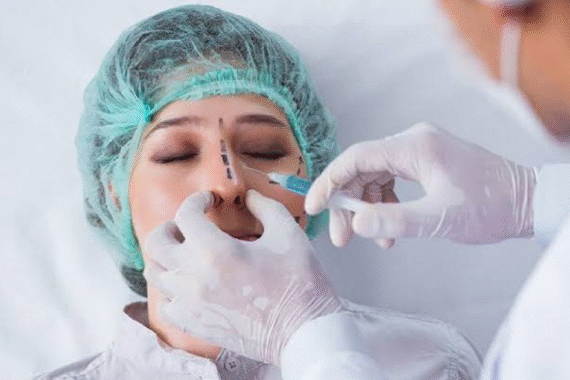
If you regularly struggle to breathe through your nose, wake up with a blocked nose, or find yourself relying on mouth breathing, you may wonder whether rhinoplasty is only about appearance. Can Rhinoplasty Improve Breathing Problems? In some patients, the answer is yes, but the key is determining what is actually causing the obstruction. For those considering Rhinoplasty in Islamabad, understanding the functional benefits of the procedure can help clarify whether surgery may address both breathing concerns and nasal structure.
Rhinoplasty can be performed for cosmetic reasons, functional reasons, or both. Functional rhinoplasty focuses on correcting structural problems that interfere with nasal airflow, such as nasal valve narrowing, a deviated septum, or changes caused by previous trauma. Research has found significant improvements in nasal obstruction symptoms following functional rhinoplasty in appropriately selected patients.
Rhinoplasty is surgery that changes the structure and shape of the nose. While cosmetic rhinoplasty primarily addresses appearance, functional rhinoplasty aims to improve the way the nose works.
The internal framework of the nose plays an important role in keeping the airway open. If cartilage, bone, the nasal septum, or nasal valves are positioned in a way that restricts airflow, simply treating the visible shape of the nose may not solve the breathing problem.
Functional rhinoplasty may therefore involve techniques that:
Cleveland Clinic notes that functional rhinoplasty may be considered for breathing difficulties associated with problems such as a deviated septum, injury, nasal valve issues, and certain congenital conditions.
The answer depends on the cause of the obstruction.
The septum is the structure separating the two nasal passages. When it is significantly deviated, one side can become narrower, and airflow may be restricted.
A septoplasty is designed specifically to straighten the septum. It can be performed separately or, when appropriate, together with rhinoplasty to address both function and appearance.
The nasal valves are among the narrowest areas of the nasal airway. If they collapse or are too narrow, breathing can become difficult, particularly during exercise or deeper inhalation.
Functional rhinoplasty can use structural techniques, including cartilage grafting, to improve support in this area. A meta-analysis of 43 studies involving more than 2,000 patients found significant improvement in nasal obstruction after functional rhinoplasty for nasal valve problems.
A previous nasal fracture can alter the shape and internal structure of the nose. Even if the injury occurred years ago, the resulting deviation or narrowing may continue to affect breathing.
In such cases, rhinoplasty may be part of reconstructive treatment to restore structural balance and improve airflow.
These procedures are related but aren’t identical.
Rhinoplasty changes the external and/or internal structure of the nose and can address both cosmetic and functional concerns.
Septoplasty specifically corrects the nasal septum to improve airflow.
Some patients need only septoplasty, while others have several structural issues and may benefit from a combined approach. The correct treatment shouldn’t be selected simply because someone wants a particular procedure; it should be based on the cause of the obstruction.
A person may be considered for functional rhinoplasty when breathing difficulties are linked to a correctable structural problem.
Potential candidates may include people who have:
Before Rhinoplasty in Islamabad, an assessment should determine whether the problem is structural and whether surgery is likely to address it.
A consultation with Dr Afsheen Bilal can help evaluate the nasal structure, breathing concerns, previous injuries or surgeries, and the patient’s desired cosmetic outcome before developing an appropriate surgical plan.
Not every blocked nose is caused by nasal structure.
Allergies, sinus conditions, inflammation, and other medical problems can also cause nasal obstruction. Cleveland Clinic lists allergies and sinus infections among common causes of nasal obstruction.
This is why surgery shouldn’t automatically be considered the answer to every breathing complaint.
If inflammation or allergies are the primary problem, treating the underlying condition may be more appropriate. In some patients, both medical treatment and structural correction may be necessary.
A thorough assessment is an important part of achieving a useful result.
Your surgeon may discuss:
The goal isn’t simply to make the nose smaller or change its shape. Functional planning should preserve or improve the structures needed for effective airflow.
When the underlying problem is suitable for surgical correction, potential benefits may include:
Clinical research supports improvement in patient-reported nasal obstruction after functional septorhinoplasty and nasal valve reconstruction.
However, improvement isn’t guaranteed, and the degree of benefit varies from one patient to another.
Temporary congestion is common during the early recovery period because of swelling and healing. Breathing can therefore feel worse before it starts to feel better.
Your surgeon will provide instructions regarding:
It’s important not to judge the final breathing result immediately after surgery. Nasal tissues need time to settle and heal.
Rhinoplasty is a surgical procedure, so it has potential risks. These can include bleeding, infection, anesthesia-related complications, swelling, changes in sensation, asymmetry, and persistent or new breathing problems. Mayo Clinic specifically notes that difficulty breathing through the nose can remain a possible complication of rhinoplasty.
This makes choosing the right surgeon and planning appropriate treatment especially important.
A common mistake is choosing a procedure based only on photographs of another person’s nose. Nasal anatomy differs considerably between individuals, so a technique that works well for one patient may not suit another.
The cost of Rhinoplasty Surgery in Islamabad varies according to the complexity of the case and the techniques required.
Factors can include:
A consultation is the most reliable way to receive a case-specific estimate because functional nasal surgery cannot be priced accurately without understanding the underlying problem.
Can Rhinoplasty Really Improve Breathing?
Yes. Functional rhinoplasty can improve nasal airflow when breathing difficulty is caused by certain structural problems, particularly nasal valve issues and other anatomical narrowing. Evidence from clinical studies supports improvement in nasal obstruction in appropriately selected patients.
Is Rhinoplasty the Same as Septoplasty?
No. Septoplasty focuses on correcting a deviated nasal septum, while rhinoplasty reshapes and reconstructs the nose. They can sometimes be performed together when a patient has both functional and cosmetic concerns.
Will Rhinoplasty Permanently Improve Breathing?
When the underlying structural problem is successfully corrected, functional improvement can be long-lasting. However, healing, aging, future injury, inflammation, and other nasal conditions can affect results.
Can Rhinoplasty Make Breathing Worse?
There is a risk of persistent or new breathing problems after rhinoplasty. This is one reason functional anatomy should be considered carefully during surgical planning.
How Long Does it Take to Breathe Normally after Rhinoplasty?
Breathing may initially feel restricted because of swelling and healing. Recovery varies depending on the procedures performed and the individual patient. Your surgeon can provide a more specific timeline after examining your nose.
Is Functional Rhinoplasty Worth Considering if I Have Both Cosmetic and Breathing Concerns?
It may be an option when both concerns are related to correctable nasal structures. The important point is to have the functional problem properly assessed rather than treating appearance alone.
Rhinoplasty isn’t necessarily just a cosmetic procedure. For selected patients, carefully planned functional rhinoplasty can address structural causes of nasal obstruction and improve breathing while also reshaping the nose. Clinical evidence supports meaningful improvement in nasal obstruction for patients with problems such as nasal valve dysfunction.
However, breathing difficulty can have many causes, and surgery isn’t appropriate for everyone. A detailed assessment is essential to identify whether the septum, nasal valves, previous trauma, or another structural issue is responsible.
If you’re considering Rhinoplasty in Islamabad for breathing as well as appearance, discussing your symptoms, anatomy, and expectations with an experienced surgeon such as Dr Afsheen Bilal can help you understand which options may be appropriate for your individual case.