September 29, 2026


Thinking about changing the shape of your nose but unsure what you should do before surgery? Knowing How to Prepare for Rhinoplasty Surgery can make the entire experience more organized and may help reduce avoidable risks during recovery.
Rhinoplasty is a highly individualized procedure. It can change the size, shape, profile, or proportions of the nose and, in some cases, address structural problems that affect breathing. Good preparation starts well before the day of surgery with an honest consultation, appropriate medical assessment, realistic expectations, and a clear recovery plan.
If you’re considering Rhinoplasty Surgery in Islamabad, choosing an experienced surgeon and understanding exactly what will happen before, during, and after the procedure should be a priority.
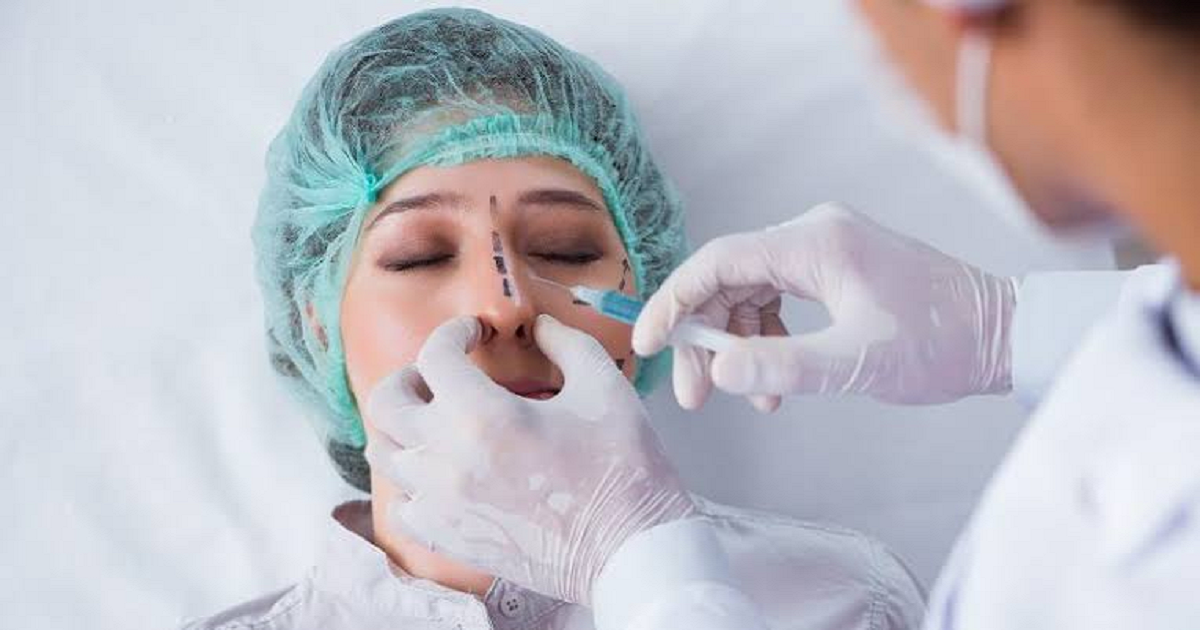
Rhinoplasty is surgery performed to reshape the nose. Depending on the patient’s anatomy and goals, the procedure may involve modifying bone, cartilage, soft tissue, or the nasal septum.
People may consider rhinoplasty to address:
The objective isn’t simply to create a smaller nose. A well-planned rhinoplasty should consider the nose in relation to the rest of the face while preserving or improving nasal function where possible.
Your consultation is one of the most important parts of preparation.
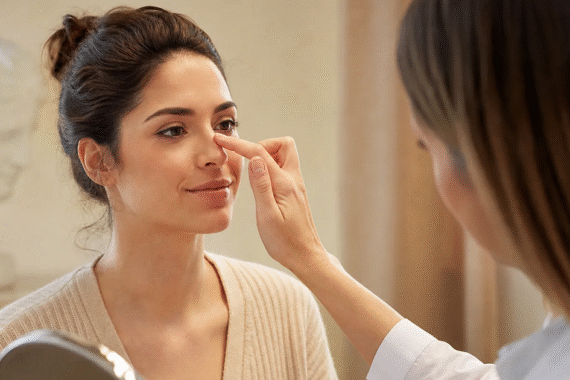
Your surgeon should review your medical history, previous nasal procedures, allergies, breathing concerns, medications, supplements, and your reasons for wanting surgery. A physical examination of both the outside and inside of the nose may also be performed. Photographs from different angles are commonly taken to help with surgical planning.
When consulting with a specialist such as Dr Afsheen Bilal, don’t focus only on how you want your nose to look. Explain whether you have nasal blockage, previous injuries, difficulty breathing, or previous surgery.
A useful consultation should answer questions such as:
Don’t leave out information because you think it’s unimportant.
Tell your surgeon about:
Your medical history helps your surgical team identify potential risks and determine whether additional examination or testing is necessary.
Certain medicines and supplements can increase bleeding or interact with anesthesia. Your surgeon may ask you to temporarily stop or change some medications.
Aspirin, certain anti-inflammatory medicines, and some herbal supplements may increase bleeding risk. However, don’t stop a prescribed medication on your own. Your surgeon or the doctor who prescribed it should tell you what is safe to continue or pause.
Bring a complete list of your medications, including over-the-counter products and supplements, to your consultation.
Smoking and vaping deserve particular attention before rhinoplasty.
Nicotine and smoking can interfere with healing and increase the risk of complications. Medical guidance commonly recommends stopping well before surgery, with the exact timeframe determined by your surgical team.
If you smoke, don’t wait until the night before surgery to mention it. Tell your surgeon during your first consultation so they can give you appropriate instructions.
One practical mistake patients make is concentrating entirely on the operation and forgetting about the first few days afterward.
Before surgery, prepare:
After anesthesia, your reaction time and judgment may temporarily be affected. Having a responsible adult available after outpatient surgery is therefore important.
Your surgical team will tell you when to stop eating and drinking before anesthesia. These instructions can vary depending on the anesthesia plan and your individual circumstances.
Don’t assume that advice from a friend or an old surgery experience applies to you. Follow the specific instructions given by your surgeon and anesthesia team.
Some common mistakes can interfere with safe preparation.
| Avoid | Why It Matters |
| Smoking or vaping | Can interfere with healing |
| Unapproved supplements | Some may increase bleeding risk or interact with medications |
| Self-stopping prescription medicines | May create unnecessary health risks |
| Hiding medical conditions | Can affect surgical and anesthesia planning |
| Unrealistic expectations | Rhinoplasty improves features but can’t guarantee perfection |
| Last-minute travel or events | Recovery requires flexibility and follow-up |
Your surgeon’s instructions should always take priority over general online advice.
Rhinoplasty is generally considered for people whose facial growth is complete, who are physically healthy enough for surgery, don’t smoke, and have realistic expectations about what the procedure can achieve.
It’s also important to want surgery for yourself rather than because of pressure from family, a partner, social media, or unrealistic beauty standards.
Some patients may need additional assessment before surgery. For example, significant breathing problems, certain medical conditions, or previous nasal surgery may require more detailed evaluation.
Don’t judge your rhinoplasty result immediately after surgery.
Swelling and bruising are expected during early recovery, and the nose can continue changing gradually as swelling settles. The American Society of Plastic Surgeons notes that while initial swelling decreases within weeks, refinement of the nasal contour can continue for up to a year.
This is particularly important for patients who expect their final result within a few days or weeks.
A realistic goal is improvement in nasal proportion, shape, and—when relevant—function, rather than guaranteed perfection or absolute symmetry.
The cost of Rhinoplasty in Islamabad doesn’t have one fixed price.
The final fee can depend on factors such as:
The safest approach is to have an in-person assessment and request a complete treatment estimate rather than choosing a surgeon based solely on the lowest quoted price.
Rhinoplasty is a surgical procedure, so it carries potential risks. These can include infection, bleeding, changes in sensation, breathing difficulties, scarring, swelling, dissatisfaction with appearance, anesthesia-related complications, and the possibility of revision surgery.
A thorough consultation should include a discussion of these risks as well as the expected benefits.
There isn’t one universal preparation period. Some changes, such as stopping smoking or adjusting certain medications, may need to begin weeks before surgery. Your surgeon will provide instructions based on your health and procedure.
Some pain medicines, particularly aspirin and certain anti-inflammatory medicines, may increase bleeding risk. Don’t take or stop medication based on general online advice confirm every medication with your surgeon.
Smoking and vaping can interfere with healing. Patients are generally advised to stop before surgery, with the exact timing determined by their surgical team.
Initial recovery generally takes weeks, but swelling can continue to settle for considerably longer. The final nasal contour may take up to a year to fully refine.
That depends on your goals, anatomy, expectations, and reasons for having surgery. Rhinoplasty may be worthwhile for someone seeking a meaningful improvement in appearance or nasal function, but it isn’t appropriate to expect perfection or an identical nose to a celebrity.
You may have swelling, bruising, nasal congestion, dressings, or a splint depending on the procedure. Your surgeon will provide specific instructions about medication, wound care, activity, and follow-up.
Knowing How to Prepare for Rhinoplasty Surgery is about much more than arriving at the clinic on the scheduled day. The process begins with choosing an appropriately qualified surgeon, discussing your goals honestly, reviewing your medical history, following medication and smoking instructions, and preparing your home and schedule for recovery.
If you’re exploring Rhinoplasty Surgery in Islamabad, take time to compare your options and ask detailed questions during your consultation. An experienced surgeon such as Dr Afsheen Bilal can help assess your nasal structure, discuss your aesthetic goals, and develop a treatment plan that considers both appearance and function.
The best rhinoplasty journey isn’t based on chasing a particular trend or copying someone else’s nose. It’s based on making an informed decision with realistic expectations and appropriate medical guidance.