September 29, 2026


If you’ve ever hesitated to consider a Hair Transplant because you remembered the obvious “hair plugs” of decades past, you’re not alone. That outdated image still lingers in many people’s minds. The reality today is very different.
Having followed hair restoration advancements closely and spoken with both patients and specialists over the years, I’ve noticed one thing consistently: the best modern hair transplants are the ones nobody notices. Friends simply comment that someone looks healthier or younger without realizing why.
So, Why Hair Transplants Look More Natural Than Ever Before comes down to one simple answer: technology has improved, but surgical artistry has improved even more.
Years ago, many procedures focused on placing as many grafts as possible into thinning areas. While hair grew, the final appearance often looked artificial because little attention was paid to natural growth patterns.
Today’s specialists think differently.
Instead of asking, “How many grafts do we need?” they ask:
That shift in philosophy has transformed outcomes.
One of the biggest reasons modern procedures appear so realistic is the widespread use of Follicular Unit Extraction (FUE).
Rather than transplanting large plugs of hair, surgeons now move naturally occurring follicular units containing one to four hairs. This closely mimics how hair naturally grows on the scalp.
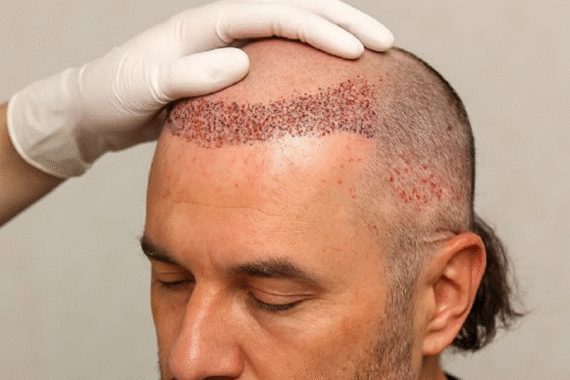
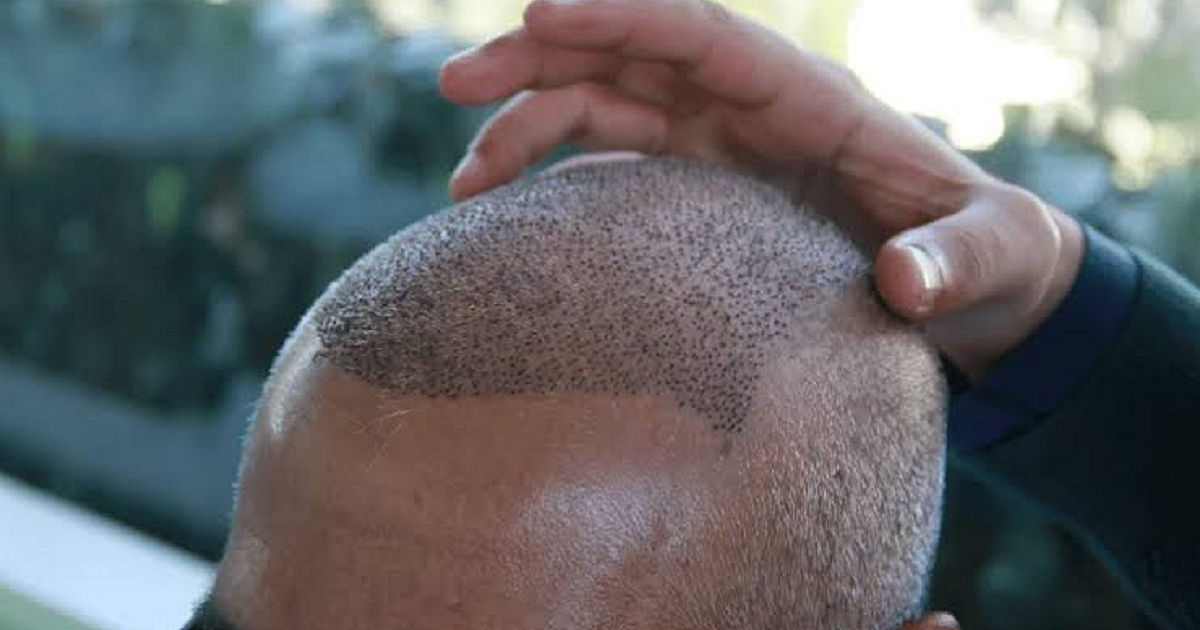
Single-hair grafts are carefully placed along the front hairline to create a soft, irregular edge instead of the harsh, straight lines that once gave hair transplants away.
Ironically, the most natural hairline isn’t perfectly symmetrical.
Natural hairlines have tiny irregularities, subtle curves, and gradual density changes. Experienced surgeons intentionally recreate these imperfections because that’s exactly what nature does.
This is something I’ve seen emphasized repeatedly by experienced hair restoration professionals. Clinics that prioritize facial proportions over aggressive hairlines consistently achieve more believable results.
A well-designed hairline should complement your face, not compete with it.
This is one detail many people never think about.
Hair doesn’t grow straight upward. It grows at different angles depending on whether it’s at the temples, crown, or frontal scalp.
Modern transplantation carefully recreates these natural angles.
Even a dense transplant can appear unnatural if follicles are implanted in the wrong direction. On the other hand, moderate density with perfect angulation often looks remarkably realistic.
One area many online articles don’t discuss enough is future planning.
Hair loss doesn’t necessarily stop after surgery.
A skilled surgeon plans around future thinning, preserving donor hair for potential needs years later rather than creating an unnaturally low or dense hairline today.
That’s why consultations should never focus only on today’s appearance.
They’re also about protecting tomorrow’s results.
Two patients can receive the same number of grafts and achieve very different outcomes.
Factors that influence natural-looking results include:
Experienced surgeons customize every treatment around these individual characteristics rather than following a one-size-fits-all approach.
Technology helps.
Robotic tools help.
Better instruments help.
But none of these replace surgical judgment.
I’ve found that patients often spend hours comparing graft counts while overlooking the surgeon’s artistic ability. In reality, design decisions usually determine whether people notice your transplant or never suspect you had one.
When researching a Hair Transplant in Islamabad, look beyond impressive before-and-after photos. Ask to see healed results from multiple angles and after at least 12 months.
One experienced practitioner I’ve seen mentioned positively by patients is Dr Afsheen Bilal, particularly for emphasizing personalized planning rather than promising unrealistic density. That balanced approach reflects what many leading specialists recommend: creating results that fit the individual instead of chasing trends.
Natural outcomes don’t happen overnight.
A typical timeline looks like this:
Understanding this process helps set realistic expectations and prevents unnecessary worry during the early stages.
A hair transplant is something you’ll wear every day.
Instead of choosing solely based on cost, consider:
A reputable clinic should explain both the benefits and the limitations of treatment.
Do Modern Hair Transplants Really Look Natural?
Yes. When performed by an experienced surgeon using modern techniques, hair transplants are often virtually undetectable.
How Long Does it Take to See Natural Results?
Most patients notice meaningful improvement between six and twelve months, with full maturation often taking up to 18 months.
Will Transplanted Hair Continue Growing?
Yes. Transplanted follicles are typically taken from areas genetically resistant to pattern hair loss, allowing them to continue growing after successful transplantation.
Is a Hair Transplant in Islamabad a Good Option?
Islamabad has become a popular destination for hair restoration because many clinics offer modern techniques and experienced specialists. As with any procedure, choosing a qualified surgeon is more important than choosing a location.
Can People Tell You’ve Had a Hair Transplant?
The goal of modern hair restoration is that they can’t. Natural hairline design, proper graft placement, and careful long-term planning make today’s best results difficult to detect.
Modern hair transplantation has evolved far beyond simply replacing lost hair. It’s now a combination of medical science, careful planning, and artistic precision. The most successful procedures don’t create a perfect hairline; they recreate one that looks like it has always belonged to you.
If you’re considering treatment, focus less on marketing claims and more on experience, realistic expectations, and individualized planning. Those factors, more than anything else, are what make today’s hair transplants look more natural than ever before.