September 29, 2026


If you’re considering nose reshaping surgery, one of the first questions you’ll encounter is Open vs Closed Rhinoplasty: Which Technique Is Better? Both techniques are widely used by experienced surgeons, but they aren’t interchangeable. The right choice depends on your nasal anatomy, aesthetic goals, and the complexity of the changes required.
Having worked with patients researching cosmetic procedures, I’ve noticed that many people focus on recovery time while overlooking the importance of surgical access and precision. The truth is that neither technique is universally “better.” Each has specific advantages in the right circumstances.
For patients exploring Rhinoplasty in Islamabad, understanding these differences can help you have a more productive consultation and make a confident decision.
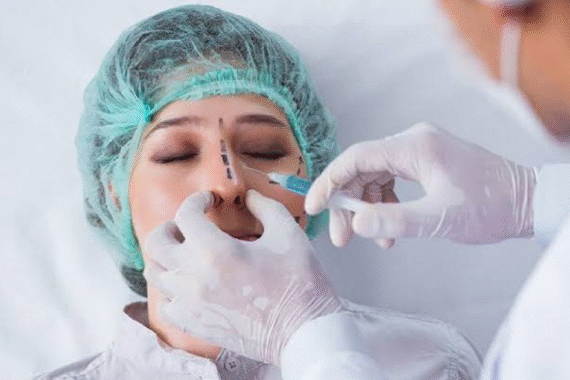
Rhinoplasty is a surgical procedure designed to reshape the nose for cosmetic enhancement, functional improvement, or both.
The two primary surgical approaches are:
The difference lies in how the surgeon accesses the nasal structures.
Open rhinoplasty involves a small incision across the columella, the strip of tissue between the nostrils. This allows the surgeon to lift the nasal skin and gain a direct view of the underlying structures.
The surgeon can clearly see the nasal framework, making it easier to perform precise modifications.
Open rhinoplasty is often recommended for:
When extensive cartilage grafting or structural work is needed, direct visualization can improve accuracy.
In experienced hands, the scar is often barely noticeable after healing.
Closed rhinoplasty uses incisions placed entirely inside the nostrils. No external incision is made, which means there is no visible scar.
Since all incisions are internal, patients don’t have a visible incision line.
Many patients experience:
Closed rhinoplasty often works well for:
The surgeon relies more heavily on experience and tactile feedback rather than direct visualization.
| Feature | Open Rhinoplasty | Closed Rhinoplasty |
| External Scar | Small, usually fades | None |
| Surgical Visibility | Excellent | Limited |
| Complex Cases | Ideal | Less suitable |
| Revision Surgery | Preferred | Often challenging |
| Operating Time | Usually longer | Usually shorter |
| Initial Recovery | Slightly longer | Often quicker |
| Precision for Major Changes | High | Moderate |
This is where many online articles oversimplify the answer.
The reality is that the surgeon’s skill often matters more than the technique itself.
A well-executed closed rhinoplasty can outperform a poorly planned open rhinoplasty, and vice versa.
During discussions with cosmetic surgery professionals, including specialists such as Dr Afsheen Bilal, one recurring point stands out: the technique should be selected based on the patient’s anatomy and goals rather than personal preference alone.
For example:
The best surgeons choose the technique that allows them to achieve the safest and most predictable outcome.
Recovery varies from person to person, but some general patterns exist.
One important point patients often miss: regardless of technique, final rhinoplasty results take time. Patience is essential.
When researching Rhinoplasty treatment in Islamabad, it’s tempting to focus exclusively on open versus closed procedures.
A better approach is to evaluate:
An experienced surgeon will explain why a particular approach suits your case instead of promoting one method for every patient.
Is Open Rhinoplasty more Painful than Closed Rhinoplasty?
Not necessarily. Most patients report similar levels of discomfort, which are generally manageable with prescribed medications.
Does Open Rhinoplasty Leave a Visible Scar?
A small scar remains on the columella, but it typically heals very well and becomes difficult to notice.
Which R Technique has a Faster Recovery?
Closed rhinoplasty often has a quicker initial recovery due to less tissue disruption.
Is Closed Rhinoplasty Safer?
Both techniques are considered safe when performed by a qualified and experienced surgeon.
Which Technique is Best for Revision Rhinoplasty?
Open rhinoplasty is generally preferred because it provides greater visibility and access to previously altered structures.
Can I Cthe Technique Myself?
You can discuss your preference, but the final recommendation should be based on your anatomy and surgical goals.
The debate between open and closed rhinoplasty doesn’t have a universal winner. Each technique serves a different purpose, and the best choice depends on the complexity of your case, your desired outcome, and your surgeon’s expertise.
For individuals considering Rhinoplasty in Islamabad at Dr Afsheen Bilal Clinic, the most valuable step isn’t choosing a technique; it’s selecting a skilled surgeon who can recommend the right approach for your unique needs. Whether open or closed, successful rhinoplasty is ultimately about careful planning, surgical precision, and realistic expectations. When those elements come together, patients are far more likely to achieve natural-looking, long-lasting results.