
July 27, 2026


Some fat just doesn’t respond to clean eating or workouts. You can lose weight, stay active, and still struggle with lower belly fullness, saddle bags, or stubborn thigh fat that never seems to budge.
That’s usually the point where people start seriously researching liposuction.
After speaking with cosmetic surgeons, reviewing patient experiences, and observing how body contouring results vary from person to person, one thing becomes clear: Liposuction isn’t about becoming “skinny.” It’s about reshaping areas that hold onto fat despite a healthy lifestyle.
The hips, thighs, and abdomen are among the most commonly treated areas because these regions tend to store genetically stubborn fat. Many top-ranking articles mention this, but most barely explain why these areas are difficult or what realistic outcomes actually look like.
These areas are strongly influenced by hormones, genetics, and body type.
For women especially, the thighs and hips are natural fat-storage zones. Even with consistent cardio and strength training, fat cells in these areas can remain resistant. The abdomen is slightly different because it may contain both subcutaneous fat (under the skin) and visceral fat (around organs). Liposuction only removes subcutaneous fat.
That distinction matters.
If someone expects liposuction to replace weight loss or remove deep internal belly fat, they’ll probably be disappointed. The best candidates are usually close to their target weight but bothered by localized fat deposits.
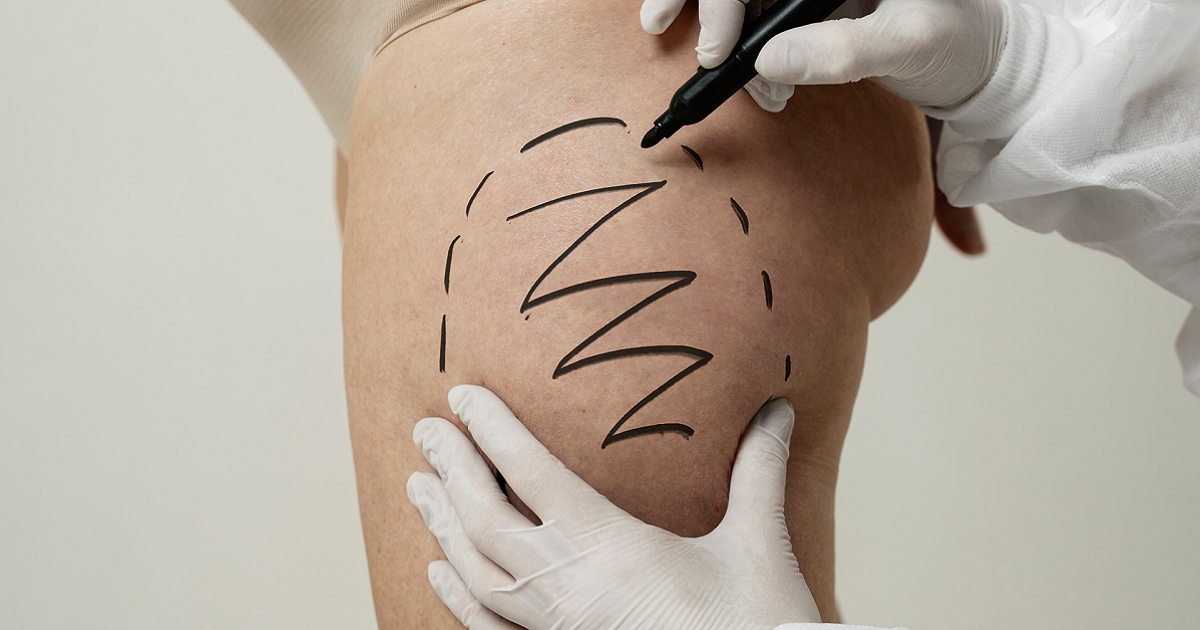
Liposuction removes fat cells through a thin tube called a cannula. Small incisions are made in hidden areas, and the surgeon sculpts the body by suctioning out targeted fat.
The procedure is commonly performed on:
Many surgeons combine abdomen and flank contouring because shaping only one area can create an imbalance. Competitor content often skips this detail, but experienced surgeons know body contouring is about proportion, not isolated fat removal.
This is where expectations matter.
Good liposuction results don’t make someone look like a different person overnight. The change is usually more noticeable in clothing fit, waist definition, and smoother body contours.
Patients often describe:
One thing many clinics understate is swelling. Recovery photos online can be misleading because final results take time. Swelling can last several weeks, and body contours continue settling for two to three months.
The removed fat cells are gone permanently. That part is true.
But remaining fat cells can still expand if weight gain happens later. This is why surgeons consistently emphasize maintaining stable habits after surgery.
People who maintain their weight generally keep their results for years.
You may be a suitable candidate if you:
Loose or sagging skin changes the conversation. Liposuction removes fat, not excess skin. In some cases, procedures like a tummy tuck may be more appropriate.
The first few days can feel uncomfortable. Compression garments are usually required, and soreness can resemble intense muscle fatigue.
Many patients return to desk work within a few days, though full recovery varies depending on how many areas were treated.
A detail that often gets overlooked online: walking early after surgery helps circulation and recovery. Most surgeons encourage light movement almost immediately.
I’ve also noticed that patients who prepare realistically for downtime tend to feel happier with the process overall. Unrealistic “lunchtime lipo” expectations usually lead to frustration.
Interest in Liposuction in Islamabad has grown significantly in recent years, but results still depend heavily on surgical skill and patient selection.
A good consultation should feel educational, not sales-driven.
Experienced cosmetic professionals typically evaluate:
I’ve seen patients mention how detailed consultations made them feel more confident about their decisions. Professionals like Dr Afsheen Bilal are often appreciated because they focus on realistic expectations rather than dramatic promises. That approach tends to build more trust long-term.
Does Liposuction Help with Weight Loss?
No. Liposuction is a body contouring procedure, not a weight-loss treatment.
Can fat Return after Liposuction?
Removed fat cells don’t come back, but remaining fat cells can enlarge with weight gain.
Is Thigh Liposuction Painful?
Most patients experience soreness and swelling rather than sharp pain.
How Soon Will I See Results?
Initial changes appear after swelling reduces, but final results can take 2–3 months.
Is Liposuction Safe?
When performed by a qualified and experienced surgeon on suitable candidates, liposuction is generally considered safe.
Liposuction can be genuinely effective for reshaping stubborn areas in the hips, thighs, and abdomen, especially when diet and exercise have already done everything they reasonably can.
The people happiest with their results are usually the ones who understand what liposuction can do and what it can’t. It won’t completely transform your lifestyle or guarantee perfection, but it can refine body contours in ways that feel meaningful and confidence-boosting. At Dr Afsheen Bilal Clinic, the focus is always on achieving natural-looking refinement that complements your body shape rather than creating an overdone appearance.