August 31, 2026


So you’ve finally decided to get that tattoo removed. Maybe it’s a name that belongs to the past, an old flash piece that never quite suited you, or just something you outgrew. Whatever the reason, the first question most people ask when researching PicoSure vs Q-Switched laser is the same: which tattoo removal is actually better?
It sounds like a technical detail, but it genuinely matters for how many sessions you’ll need, how your skin recovers, and ultimately how completely the ink disappears. Having spoken with patients who’ve had both types of treatment and seen the results firsthand, I can tell you there’s no single correct answer. But there is a smarter way to think about it.
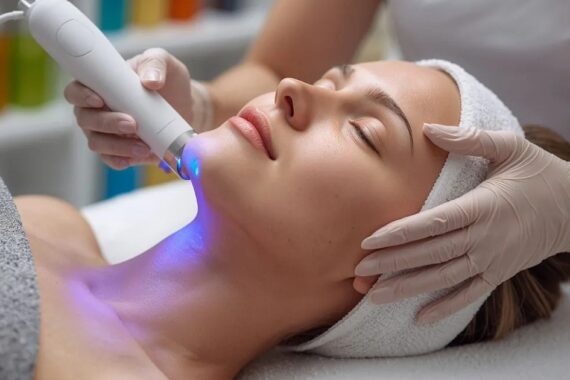
Both use laser energy to break up tattoo ink into tiny particles that your immune system can flush away. The difference is in how they deliver that energy.
Q-Switched Laser:
Q-Switched (sometimes called nanosecond) lasers have been the clinical standard for Laser Tattoo Removal since the early 90s. They fire pulses measured in nanoseconds, which is billionths of a second. They work primarily through a photothermal effect: heating ink particles until they shatter. They’re effective, widely available, and considerably more affordable than newer options.
PicoSure (Picosecond) Laser:
PicoSure fires pulses measured in picoseconds, a trillion times shorter than a nanosecond. Because the energy hits so fast, it creates a photomechanical (pressure-wave) effect rather than a thermal one. The ink shatters into smaller fragments, which the body clears more efficiently. Less heat also generally means less collateral tissue damage.
| Factor | Q-Switched | PicoSure |
| Sessions needed | 10–20 (avg) | 4–10 (avg) |
| Best for colours | Black, dark inks | Black + blue, green, yellow |
| Skin damage risk | Moderate (thermal) | Lower (photomechanical) |
| Pain level | Moderate–High | Moderate (often less) |
| Downtime | 5–7 days typical | 3–5 days typical |
| Cost per session | Lower | Higher |
| Availability locally | Widely available | Select clinics |
| Scar risk (darker skin) | Moderate | Generally safer |
If your tattoo has stubborn colours, greens, blues, or that specific yellow-green that Q-Switched lasers basically shrug at, PicoSure is genuinely in a different league. The smaller ink fragments it creates are metabolised faster, which is why patients often see significant fading in half the sessions.
It’s also the better choice for previously treated tattoos that stopped responding to Q-Switched treatment. This is more common than people realise. The larger ink particles left behind after Q-Switched sessions can be stubborn, and picosecond pulses are more effective at breaking those remnants down.
For patients with darker skin tones (Fitzpatrick types IV–VI, which is common among patients seeking laser tattoo removal in Islamabad), PicoSure’s lower thermal output reduces the risk of post-inflammatory hyperpigmentation. That’s a meaningful clinical consideration, not just a marketing talking point.
Clinical Note Dr Afsheen Bilal: Patients who’d previously undergone multiple Q-Switched sessions elsewhere often showed plateau fading. Switching to a picosecond protocol restarted visible clearance, sometimes dramatically so, within two to three additional sessions. That doesn’t mean Q-Switched failed. It means combining both modalities, or transitioning at the right stage, often produces better outcomes than sticking rigidly to one technology throughout.
Let’s be fair. Q-Switched lasers aren’t outdated; they’re just better suited to certain situations.
Most consultations focus on the tattoo itself, its size, ink colours, and how old it is. All of that matters. But one thing that doesn’t get enough attention is your skin’s healing history.
If you keloid or form raised scars easily, that changes the protocol significantly. If you’ve had post-inflammatory hyperpigmentation from waxing, chemical peels, or previous laser treatments, your provider needs to know before selecting a modality and energy settings. It’s not just about clearing the ink; it’s about the skin you’re left with afterwards.
This is where seeing a specialist like Dr Afsheen Bilal, who takes a proper skin assessment before deciding on a protocol, genuinely pays off. A good consultation should feel like a conversation, not a sales pitch for whatever machine they happen to have.
Regardless of which technology you choose, the process is broadly similar:
One thing people consistently underestimate: the immune system does most of the actual work. The laser just breaks the ink down. Staying hydrated, not smoking, and keeping up cardiovascular health all measurably affect how well you clear between sessions.
Here’s the honest version: if PicoSure is available and you can access it at a clinic with genuine experience using it, it’s the stronger option for most tattoos. Fewer sessions, lower skin risk, and better colour coverage add up to meaningful advantages over a full course of treatment.
But Q-Switched from a highly experienced provider beats PicoSure from an inexperienced one. The machine matters, but the person using it matters more. And for straightforward black tattoos on lighter skin, Q-Switched can get you there without the higher cost.
If you’re in Islamabad or Rawalpindi and genuinely unsure, it’s worth booking a consultation that includes a proper skin assessment rather than just picking a treatment off a price list. The extra 20 minutes upfront can save you sessions and money down the line.
How Many Sessions Does PicoSure Take Compared to Q-Switched?
PicoSure needs 4–10 sessions on average; Q-Switched typically takes 10–20. Results vary by ink colour, tattoo age, and skin type.
Is Laser Tattoo Removal Safe for Darker Skin?
Yes, with the right precautions. PicoSure is generally safer for South Asian skin tones as it produces less heat, lowering the risk of pigmentation issues.
Does PicoSure Hurt Less?
Most patients find it slightly more comfortable due to shorter pulse duration — but both treatments use numbing cream, so pain is manageable either way.
Which Ink Colours are Hardest to Remove?
Green, yellow, and light blue are the toughest. PicoSure’s 755nm wavelength handles these far better than Q-Switched.
Can I Switch Lasers Mid-Treatment?
Absolutely. If fading has plateaued with Q-Switched, switching to PicoSure often restarts visible clearance.
Where Can I Get Tattoo Removal in Islamabad?
Dr Afsheen Bilal offers a proper skin assessment before recommending any protocol, worth consulting before you commit to a treatment plan.
Neither PicoSure nor Q-Switched is universally “better.” What matters is matching the right technology to the right patient and doing that through proper assessment rather than assumption.
If you’re considering tattoo removal, go into your consultation armed with the right questions: What wavelengths does this machine use? How many sessions do you realistically expect for my specific ink and skin type? What’s the risk of pigmentation changes given my skin tone?
At Dr Afsheen Bilal Clinic, these are exactly the kinds of questions that get answered before any treatment begins because a proper skin assessment upfront leads to better results, fewer sessions, and safer outcomes overall.
The best providers welcome those questions. That’s usually how you know you’ve found the right one.