
September 25, 2026



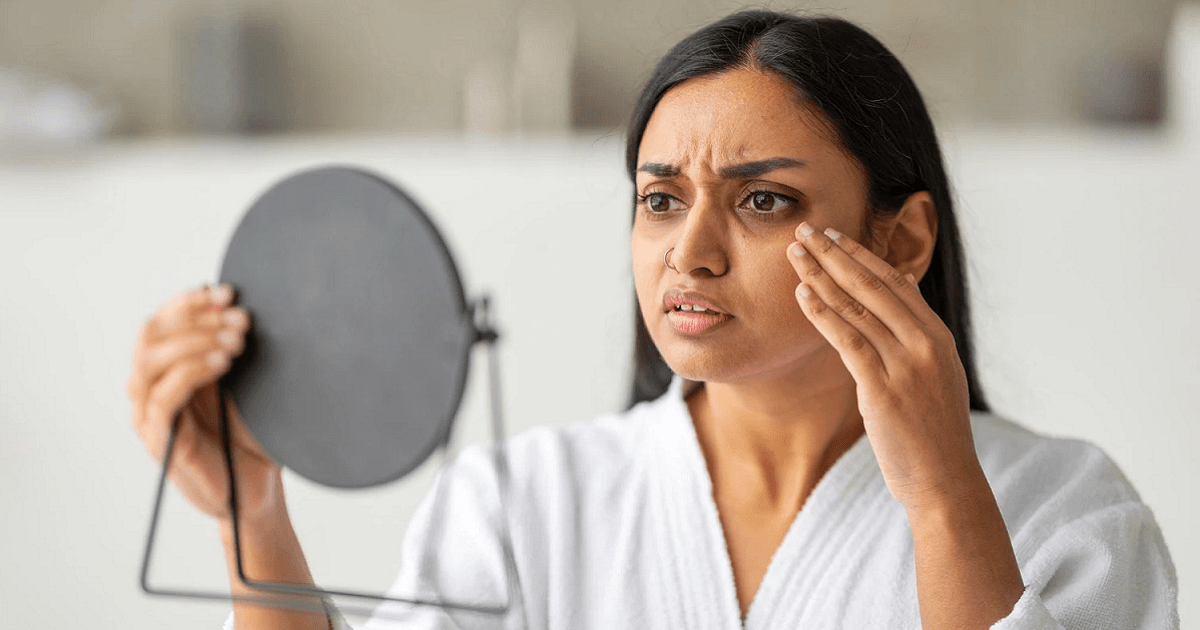
Have you tried eye creams, home remedies, or concealers but still feel like your dark circles never really improve? The reason may be that dark circles aren’t caused by one single problem. Pigmentation, visible blood vessels, thin skin, allergies, dehydration, ageing, and hollowness can all contribute to the darker appearance under the eyes.
That’s why learning How to Choose the Right Dark Circle Treatment for Your Skin Type is less about finding the most popular Dark Circle Treatment and more about identifying why your under-eye area looks dark in the first place.
Dark circles can generally have several overlapping causes:
Importantly, many people have more than one type at the same time, which is why a single cream or procedure may produce limited results. Research also supports an individualized approach based on the underlying cause.
Yes, but there’s an important distinction: your general skin type—dry, oily, combination, or sensitive—is only one part of the assessment.
For under-eye treatment, a dermatologist also considers:
This is particularly important for people with medium-to-deep skin tones because aggressive procedures can sometimes trigger post-inflammatory pigmentation if poorly selected or performed. Studies reviewing dark-circle treatments emphasize adjusting treatment choices according to pigmentation and skin characteristics.
If the area looks predominantly brown or darker than the surrounding skin, pigmentation may be a major contributor.
A dermatologist may consider:
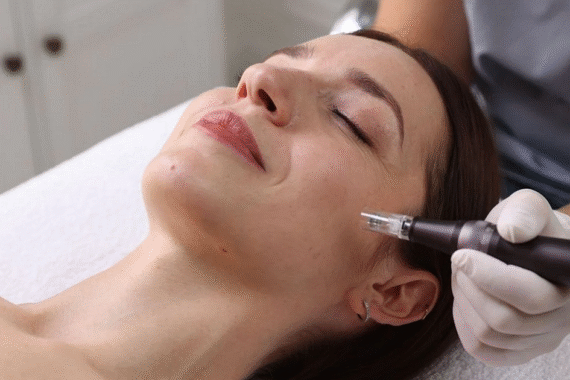
Chemical peels and lasers can help selected patients, but the under-eye area requires particular caution. In darker skin tones, treatment parameters and procedure choice need to be carefully considered because irritation or inflammation can worsen pigmentation.
A bluish or purple appearance may indicate that blood vessels are more visible through thin skin.
In these cases, simply using a strong pigmentation cream may not address the main issue. Improving skin quality, managing allergies, reducing rubbing, and, when appropriate, considering a vascular-focused procedure may be more logical.
The right choice depends on whether visible vessels are genuinely responsible for the discoloration rather than assuming every dark circle is pigmentation.
Look closely in different lighting. If the darkness appears mainly as a shadow beneath a depression or tear trough, the problem may be structural rather than pigmentary.
Creams generally cannot restore lost volume. Depending on the individual anatomy, options may include carefully performed hyaluronic acid filler or other rejuvenation approaches. Fillers can soften shadows caused by hollows, but they aren’t appropriate for everyone and require an experienced medical practitioner because the under-eye region is anatomically delicate.
If your skin is dry, easily irritated, or prone to dermatitis, starting with aggressive treatments can backfire.
A better approach may involve:
If itching is causing you to rub your eyes frequently, addressing the irritation itself may be just as important as treating the resulting discoloration.
| Dark Circle Concern | Commonly Considered Options |
| Brown pigmentation | Skincare, selected peels, certain lasers |
| Blue/purple vascular appearance | Skin-quality care, allergy management, selected vascular treatments |
| Tear-trough hollowness | Filler or other structural rejuvenation options |
| Thin, ageing skin | Collagen-supporting skincare or selected procedures |
| Puffiness/bags | Lifestyle measures, medical assessment, and in some cases surgical options |
| Mixed causes | Combination treatment tailored to the individual |
This table is a starting point, not a treatment prescription. Many patients need a combination approach because dark circles often have several contributing factors.
Before recommending a Dark Circle Treatment in Islamabad, a qualified dermatologist should assess the area rather than immediately selecting a procedure.
A typical consultation may involve:
This cause-first approach is also reflected in the guidance published by Dr Afsheen Bilal, which notes that the appropriate dark-circle treatment depends on both the underlying cause and the patient’s skin type.
One of the biggest mistakes is choosing a treatment because it worked for someone else.
Avoid:
Dark circles that have developed gradually over years often require patience and maintenance rather than a quick fix.
Most treatments can be performed safely when the correct procedure is selected for the right patient and carried out by a qualified professional. However, every procedure has potential risks.
Depending on the treatment, these can include irritation, swelling, temporary redness, pigment changes, bruising, or, in the case of injections, more serious complications.
Seek medical assessment if darkness develops suddenly, particularly if it affects only one eye or is accompanied by significant swelling or other unusual changes.
There isn’t one fixed price for Dark Circle Treatment in Islamabad. The cost can vary according to the underlying cause, treatment selected, number of sessions, products or technology used, and whether combination treatment is required.
A consultation is therefore more useful than comparing prices for treatments that may not be appropriate for your particular concern.
How Do I Know Which Dark Circle Treatment is Right for Me?
The best treatment depends primarily on the cause of your dark circles. Brown pigmentation, visible vessels, thin skin, and tear-trough hollowness require different approaches. A professional assessment can help distinguish between them.
Can Eye Creams Remove Dark Circles?
Eye creams may improve hydration, texture, and the appearance of some pigmentation, but they can’t correct every cause. Structural hollowness and significant volume loss, for example, generally won’t disappear with skincare alone.
How Long Do Dark Circle Treatment Results Last?
It depends on the cause and treatment. Skincare usually requires ongoing use, while procedures may provide longer-lasting improvement but can still require maintenance. Ageing, sun exposure, allergies, and genetics can continue to influence the area.
Is Dark Circle Treatment Worth It?
It can be worthwhile when the treatment is matched to the actual cause, and your expectations are realistic. The goal isn’t necessarily to make the under-eye area look completely different, but to improve its overall brightness, texture, and balance.
What Should I Expect Before and After Treatment?
Before treatment, expect an assessment of your skin, anatomy, pigmentation, and medical history. Afterward, you may experience temporary redness, swelling, or sensitivity depending on the procedure. Your provider should give you specific aftercare and explain when results should become noticeable.
Choosing the right dark circle treatment starts with understanding what is creating the darkness. Your skin tone, sensitivity, pigmentation tendency, under-eye anatomy, and lifestyle all matter but the most important step is identifying whether you’re dealing with pigment, visible vessels, thin skin, hollowness, or a combination.
If you’re considering Dark Circle Treatment in Islamabad, don’t choose a procedure simply because it’s trending or because it worked for someone else. At Dr Afsheen Bilal Clinic, a personalised assessment can help determine the underlying cause of your dark circles and guide you toward an approach that suits your skin and concerns, while setting realistic expectations for improvement.