August 31, 2026


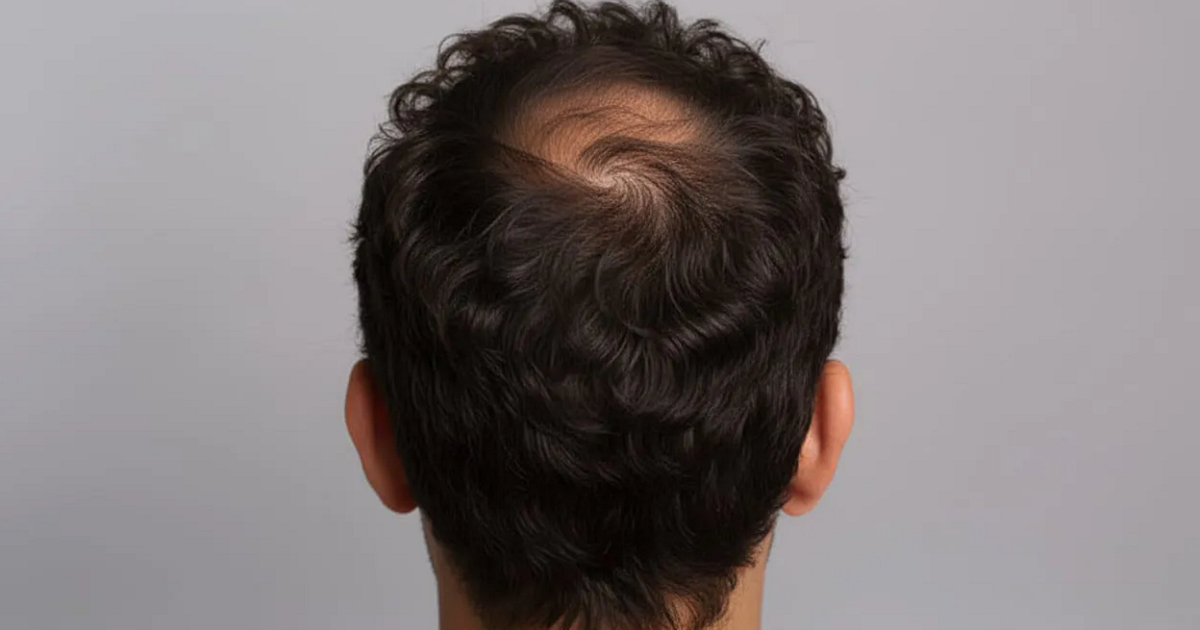
Hair thinning and hair loss can affect confidence, appearance, and emotional well-being. Many people searching for solutions ask the same question: Is natural hair regrowth using PRP really possible, or is it just another temporary trend?
Platelet-Rich Plasma (PRP) Therapy has gained attention as a minimally invasive option that uses the body’s own healing properties to support healthier hair growth. While PRP is not a guaranteed cure for every type of hair loss, clinical experience shows that it can help improve hair density, reduce shedding, and strengthen existing follicles in suitable candidates.
For individuals exploring PRP in Islamabad, understanding how the treatment works, who benefits most, and what realistic results look like is essential before making a decision.
PRP hair treatment is a regenerative procedure that uses a concentrated form of a patient’s own blood plasma. This plasma contains platelets, which release growth factors that play an important role in tissue repair and regeneration.
During PRP therapy for hair loss, a small blood sample is collected and processed to separate platelet-rich plasma. This concentrated plasma is then carefully injected into areas of the scalp where hair thinning is occurring.
Unlike hair transplant surgery, PRP does not add new hair follicles. Instead, it aims to improve the health and activity of existing follicles.
Hair follicles need proper blood supply, nutrients, and growth signals to remain active. In some types of hair loss, especially early-stage thinning, follicles may become weaker but remain alive.
PRP may help by:
The effectiveness depends on factors such as the cause of hair loss, age, genetics, overall health, and how early treatment begins.
A typical PRP hair treatment involves several stages:
A qualified hair specialist first evaluates the pattern and cause of hair loss. This may include:
A proper diagnosis is important because PRP may not be suitable for every condition.
A small amount of blood is drawn, similar to a routine blood test.
The blood sample is placed in a centrifuge that separates platelet-rich plasma from other components.
The prepared PRP is injected into targeted areas of the scalp using fine needles. Most patients experience mild discomfort, but numbing options can improve comfort.
Many treatment plans involve multiple sessions spaced several weeks apart. Maintenance sessions may be recommended depending on individual response.
People choosing PRP for Hair in Islamabad often consider this treatment because it offers several advantages:
| Benefit | Explanation |
| Uses your own blood components | Reduces concerns related to foreign substances |
| Minimally invasive | No surgical removal or implantation of follicles |
| Short recovery time | Most people return to normal activities quickly |
| Natural-looking improvement | Supports existing hair rather than creating artificial density |
| Can complement other treatments | May be combined with medically recommended hair loss plans |
Clinics such as Dr Afsheen Bilal focus on patient evaluation and personalised treatment planning because hair loss patterns vary significantly from person to person.
PRP tends to work best for people who:
A consultation with a qualified professional is important to determine whether PRP matches your specific condition.
PRP may not be suitable for everyone. A specialist may advise caution for individuals with:
The underlying cause of hair loss should always be investigated before starting treatment.
One of the most common questions patients ask is, “How soon will I see results?”
PRP results are gradual. Many patients notice reduced hair shedding first, followed by improvements in thickness and hair strength over several months.
Results vary depending on:
PRP should be viewed as a process that supports hair health rather than an instant solution.
The cost of PRP Hair Treatment in Islamabad varies based on several factors, including:
A professional consultation is the best way to understand the expected treatment plan and investment for your specific needs.
Many patients make decisions based only on online advertisements. Some common mistakes include:
A responsible approach involves diagnosis, realistic expectations, and ongoing hair care.
Based on practical experience in hair restoration, patients should:
A personalised approach is often more effective than using a single treatment for every type of hair loss.
How Does PRP Hair Treatment Work?
PRP uses concentrated platelets from your own blood. These platelets release growth factors that may support healthier scalp conditions and improve the function of weakened hair follicles.
Is PRP Hair Treatment Safe?
PRP is generally considered a safe procedure when performed by a trained professional because it uses the patient’s own blood components. Temporary redness, swelling, or mild scalp tenderness may occur after treatment.
How Long Do PRP Hair Results Last?
Results vary between individuals. Some people maintain improvements with proper maintenance sessions and ongoing hair care, while others may require additional treatments depending on their condition.
Is PRP Worth It for Hair Loss?
PRP can be worthwhile for suitable candidates, particularly those with early-stage hair thinning and realistic expectations. A consultation helps determine whether it is the right option.
What Should I Expect Before and After PRP Treatment?
Before treatment, patients usually undergo a hair assessment. After treatment, mild scalp sensitivity may occur for a short period. Visible improvements typically develop gradually over several months.
How Much Does PRP Hair Treatment Cost in Islamabad?
The cost depends on the clinic, treatment plan, and number of sessions needed. A consultation provides the most accurate estimate based on individual requirements.
Natural hair regrowth using PRP is possible for many suitable candidates, but success depends on the condition of the hair follicles, the cause of hair loss, and realistic treatment expectations. PRP is not a magic solution, but it can be a valuable option for supporting healthier hair growth when performed as part of a properly planned hair restoration approach.
If you’re considering PRP in Islamabad, choosing an experienced professional, understanding your diagnosis, and following a personalised treatment plan are key steps toward making an informed decision.