August 31, 2026


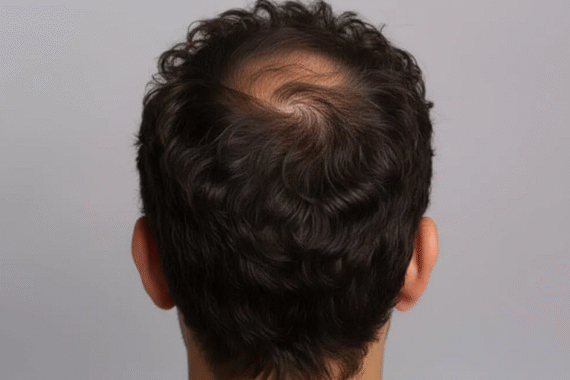
Hair thinning can be frustrating, especially when your usual shampoo, supplements, or conventional hair-loss treatments don’t seem to make enough difference. If you’ve been researching regenerative treatments, you’ve probably come across Exosome Therapy.
But does it actually help hair grow?
How Exosome Therapy May Support Hair Growth is best understood as an emerging area of regenerative hair treatment not a guaranteed cure for baldness. Early clinical research is encouraging, particularly for androgenetic alopecia, but the evidence is still developing and treatment protocols aren’t yet standardized.
That distinction matters when you’re deciding whether exosomes are worth considering.
Exosomes are tiny extracellular vesicles released by cells. They act as biological messengers, carrying proteins, lipids, growth-related signals and other molecules that can influence how nearby cells behave.
In hair research, scientists are investigating whether exosome-derived signals can support the hair follicle environment, influence the hair-growth cycle and promote healthier follicular activity.
Studies have explored exosomes from different biological sources, including adipose tissue, placenta, hair follicles, bone marrow and umbilical cord tissue. Because preparations vary substantially, “exosome therapy” isn’t one standardized treatment.
That’s one of the first questions patients should ask a clinic: What exactly is being used, where does it come from, and how is it prepared?
The proposed mechanism is more sophisticated than simply “feeding” the hair follicle.
Research suggests exosome-related signaling may influence pathways involved in follicular activity, including Wnt/β-catenin and other growth and inflammatory pathways. Laboratory and preclinical research has shown particularly interesting effects on dermal papilla cells, which play an important role in hair-follicle function.
In practical terms, the goal is to create a more supportive scalp environment so weakened follicles can potentially function more effectively.
However, exosomes can’t recreate a follicle that has permanently disappeared because of advanced scarring or extensive longstanding hair loss. That’s why diagnosis and timing matter.
The exact protocol depends on the product and clinic. A typical medical assessment may include:
For example, Dr Afsheen Bilal Islamabad exosome protocol describes consultation and scalp analysis followed by PRP preparation, combination with concentrated exosomes and targeted scalp injections. The clinic states that the procedure takes about an hour and includes individualized aftercare.
Because protocols differ, patients shouldn’t assume that one clinic’s “exosome treatment” is identical to another’s.
Early human studies have reported improvements in measures such as hair density and shaft thickness. A 2025 systematic review covering 11 clinical studies found improvements in at least one hair parameter across the included studies, although the researchers emphasized significant differences between study designs, exosome sources, delivery methods and follow-up period.
Potential benefits may include:
The important word is potentially. Current research doesn’t justify promising a specific percentage of regrowth or claiming that exosomes will outperform every established hair-loss treatment.
Exosome therapy may be considered for people with early-to-moderate non-scarring hair thinning, particularly androgenetic alopecia, provided a dermatologist confirms the diagnosis.
A consultation is especially important if your hair loss is:
Patients with advanced scarring alopecia or areas where viable follicles are no longer present may need a completely different treatment strategy.
Exosome therapy shouldn’t be treated like a routine cosmetic facial.
The quality, source, processing and storage of exosome products can vary considerably. The FDA has warned that there are currently no FDA-approved exosome products in the United States and has reported serious adverse events associated with some unapproved products.
This doesn’t mean every exosome-based treatment is unsafe. It means patients need to be particularly careful about product quality, regulatory status, sterile technique, practitioner qualifications and evidence behind the specific preparation being offered.
A responsible clinic should be willing to explain what product is being used rather than relying on vague claims about “stem cells” or “billions of growth factors.”
Hair doesn’t grow overnight, so immediate dramatic regrowth shouldn’t be expected.
Early studies suggest improvements can develop over several months, but timelines vary according to the underlying condition, treatment protocol and individual response. The current clinical literature also doesn’t establish one universally accepted number of sessions or a guaranteed duration of benefit.
Take standardized photographs before treatment and at follow-up appointments. This is much more reliable than judging your hair day-to-day in the mirror.
If you’re researching Exosomes Therapy in Islamabad or Exosomes for Hair in Islamabad, don’t make price your only deciding factor.
Ask:
Pricing can vary substantially depending on the product, treatment area, number of sessions and clinic. Published Islamabad clinic prices range from tens of thousands to well over PKR 100,000 per session, so a personalized quotation is more meaningful than relying on a single advertised price.
One of the biggest mistakes is treating exosomes as a replacement for diagnosis.
Other common problems include:
An experienced dermatologist should explain not only why a treatment might work, but also why it might not work for you.
It may be worth discussing if you have early hair thinning and are looking for a regenerative, minimally invasive option. But the decision should be based on your diagnosis, expectations and the quality of the treatment being offered.
Current evidence is promising, yet still limited by small studies, heterogeneous protocols and relatively short follow-up. A 2026 systematic review similarly concluded that early clinical results are encouraging while emphasizing the need for larger randomized trials and standardized manufacturing and treatment protocols.
That makes professional assessment more important not less.
Exosomes are extracellular vesicles that carry biological signals between cells. Researchers believe these signals may influence pathways involved in follicle activity, regeneration and inflammation. Human evidence is still emerging.
Reported clinical studies have generally found few serious adverse events, but the evidence remains limited. Temporary redness, tenderness or swelling can occur depending on the delivery method. Product quality and regulatory oversight are important safety considerations.
How Long Do Exosome Hair Results Last?
There isn’t enough high-quality evidence to give everyone a reliable duration. Results may vary according to the underlying hair-loss condition, treatment protocol and whether the cause of ongoing hair loss is also managed.
There’s no single standard price. Published clinic listings in Islamabad show substantial variation, influenced by the product, treatment area and number of sessions. A consultation is the best way to obtain an accurate quote.
Before treatment, expect a scalp assessment and discussion of your medical history and hair-loss pattern. After treatment, your clinician may recommend temporarily avoiding hair washing, strenuous exercise, heat or irritating scalp products, depending on the technique used.
Not necessarily for every patient. Exosome therapy is newer and potentially promising, but PRP has a longer clinical history in hair restoration. Current research doesn’t justify a blanket claim that one treatment is universally superior.
Exosome therapy is an interesting development in regenerative hair medicine, with early evidence suggesting it may support hair density, thickness and follicular function in selected patients. But it’s still an evolving treatment rather than a guaranteed solution for hair loss.
If you’re considering Exosomes Therapy in Islamabad, start with the diagnosis not the marketing claim. A qualified dermatologist can determine whether exosome therapy makes sense for your particular pattern of hair loss and whether established options may offer a better-supported approach.
For patients exploring the treatment, Dr Afsheen Bilal is one Islamabad-based dermatology practices that describes an exosome-based hair protocol involving scalp assessment and targeted delivery. As with any regenerative treatment, patients should discuss the specific product, evidence, expected outcomes and safety considerations during consultation before proceeding.