
September 25, 2026



If you’ve ever looked in the mirror after a full night’s sleep and still felt like you looked tired, under-eye hollows might be the reason. These sunken areas beneath the eyes can make your face appear older, fatigued, or even unhealthy. It’s one of the most common concerns I hear from people considering non-surgical cosmetic treatments.
Over the years, I’ve seen how carefully placed dermal fillers can make a noticeable difference when performed on the right candidate. The transformation isn’t about changing someone’s face; it’s about restoring volume where it’s been lost and creating a fresher, more rested appearance.
Dermal Fillers for Under-Eye Hollows: Does It Work? It’s a question many people ask before exploring this treatment. The answer is yes for the right candidate. When performed by an experienced practitioner, dermal fillers can effectively restore volume beneath the eyes and deliver natural-looking results. Still, it’s important to understand the benefits, limitations, and potential risks before deciding if the procedure is right for you.
Under-eye hollows, often called tear troughs, develop for several reasons. Some people inherit them genetically, while others notice them becoming more prominent with age.
Common causes include:
It’s important to remember that dark circles and under-eye hollows aren’t always the same issue. Fillers improve volume loss, but they won’t completely solve pigmentation caused by skin color or circulation.
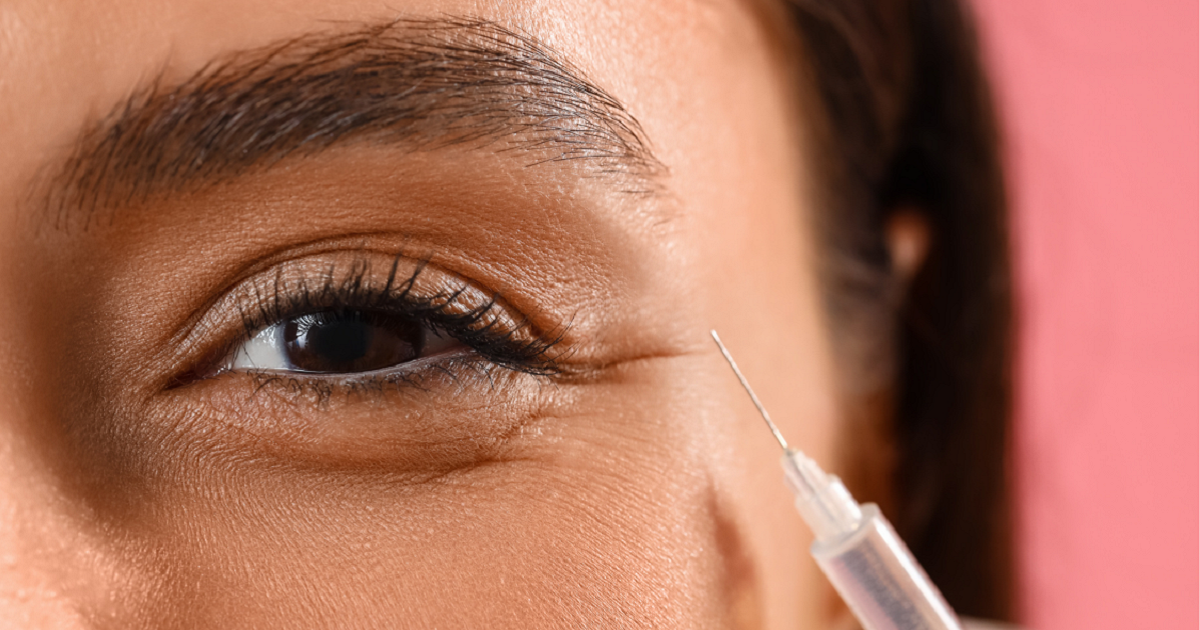
Dermal fillers are injectable gels, most commonly made from hyaluronic acid, a substance naturally found in the body. When injected into the tear trough area, they restore lost volume and smooth the transition between the lower eyelid and cheek.
The result is a softer contour that reflects light more evenly, making the eyes appear brighter and less tired.
The procedure itself usually takes around 20–30 minutes, and most people return to normal activities shortly afterward.
For the right patient, the results can be impressive.
I’ve observed that the most satisfied patients are those with mild to moderate volume loss rather than severe skin laxity or prominent eye bags. When expectations are realistic, fillers can produce subtle yet significant improvement without making the face look “done.”
Benefits often include:
Most hyaluronic acid fillers last between 9 and 18 months, although individual results vary depending on metabolism and product selection.
Not everyone with under-eye concerns is an ideal candidate.
Dermal fillers generally work best for people who have:
If someone has significant eye bags caused by protruding fat pads or loose skin, surgery may provide a better long-term solution than fillers.
A detailed facial assessment is always the first step.
Because the under-eye area contains delicate anatomy, experience matters.
Potential side effects include:
One reason I always emphasize choosing an experienced injector is that the tear trough requires precision. Using too much filler or placing it incorrectly can create puffiness rather than improvement.
That’s why consultations should never feel rushed.
Recovery is generally straightforward.
Most people experience mild swelling for a day or two. Bruising, if it occurs, usually fades within a week.
Helpful aftercare includes:
Many patients feel comfortable returning to work the following day.
One pattern I’ve noticed after reviewing many patient journeys is that successful outcomes depend less on the filler brand and more on injector skill.
When researching Dermal Fillers in Islamabad, look beyond attractive before-and-after photos.
Instead, consider:
I’ve followed the work of Dr Afsheen Bilal, and one aspect that stands out is the emphasis on individualized assessment rather than recommending fillers for every under-eye concern. That patient-first approach reflects what experienced aesthetic practitioners generally aim for: choosing the treatment that best fits the anatomy rather than applying a one-size-fits-all solution.
Many articles explain how fillers work but rarely address practical concerns patients actually have.
Before treatment, ask your provider:
These questions often reveal more about the provider’s experience than marketing claims ever will.
Are Under-Eye Fillers Painful?
Most people describe the discomfort as mild. Numbing cream and fillers containing local anesthetic help make the procedure much more comfortable.
How Long Do Under-Eye Fillers Last?
Results typically last between 9 and 18 months, depending on the product used, your metabolism, and individual anatomy.
Can Fillers remove Dark Circles Completely?
Not always. Fillers improve shadowing caused by volume loss, but they don’t treat pigmentation or certain vascular causes of dark circles.
Is there Downtime after Treatment?
Downtime is minimal. Mild swelling or bruising can occur, but most people resume normal activities within 24 hours.
Are Dermal Fillers Safe?
When performed by a qualified and experienced medical professional using appropriate techniques, dermal fillers have a strong safety profile. As with any cosmetic procedure, discussing risks and benefits beforehand is essential.
Dermal fillers can be an excellent option for treating under-eye hollows, but they’re not a universal solution. The best results come from careful patient selection, conservative treatment, and realistic expectations.
If you’re considering Dermal Fillers in Islamabad, invest time in choosing an experienced practitioner, such as Dr Afsheen Bilal, who prioritizes facial balance over dramatic change. A thoughtful consultation should leave you feeling informed, not pressured. When the treatment is tailored to your anatomy and performed with precision, under-eye fillers can restore a naturally refreshed appearance while preserving the expressions that make your face uniquely yours.