
September 11, 2026



Have you ever wondered why one tattoo starts fading after a few laser sessions while another seems almost impossible to remove? Why Some Tattoos Are Easier to Remove Than Others comes down to much more than the quality of the laser. Ink color, pigment depth, tattoo age, ink density, body location, skin characteristics, and the way your body clears fragmented pigment can all influence the outcome.
For people considering Tattoo Removal in Islamabad, understanding these factors can help set realistic expectations before starting treatment. Modern laser technology can significantly fade many tattoos, but removal is usually a gradual process rather than a one-session procedure.
Laser tattoo removal doesn’t simply “erase” the tattoo from your skin.
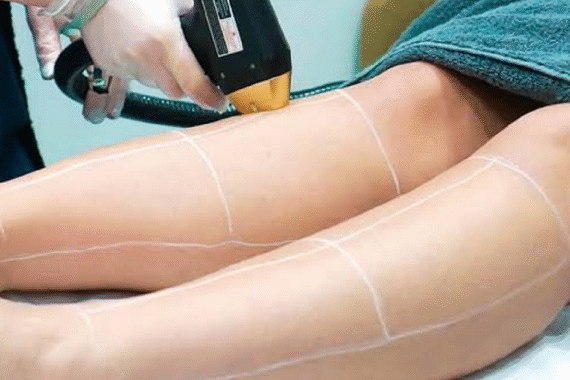
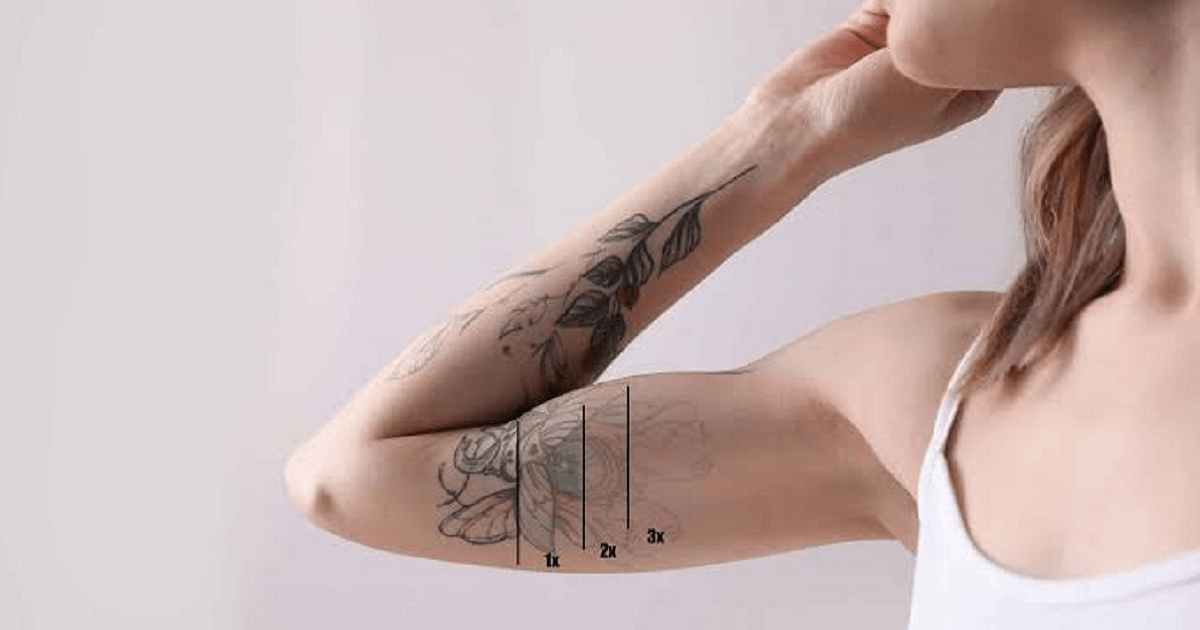
During treatment, laser energy targets tattoo pigments and breaks them into much smaller particles. Your body’s natural immune system then gradually clears these particles. This is why several weeks are usually allowed between sessions the skin needs time to heal while the body continues processing the fragmented ink.
The laser wavelength also matters because different pigments absorb different wavelengths of light. A multicolored tattoo may therefore require different approaches for different sections of the design.
Color is one of the biggest reasons tattoos respond differently to laser treatment.
Black and dark blue inks generally respond well because they absorb laser energy effectively. In contrast, certain green, yellow and red pigments can be more challenging, depending on the specific pigment and laser wavelength being used.
White and flesh-colored pigments require particular caution. Some cosmetic and light-colored pigments can darken or oxidize when exposed to laser energy, making subsequent treatment more complicated.
Simple example:
A small tattoo made mainly from black ink may respond more predictably than a similar-sized tattoo containing several light and bright colors.
Tattoo pigment isn’t always deposited at exactly the same depth.
Professional tattoos can contain pigment relatively deep within the skin, while some fine-line or lightly shaded tattoos may contain less densely packed pigment. Deeper or heavily deposited ink can require a longer treatment plan.
A proper assessment is therefore more useful than judging treatment difficulty from the tattoo’s size alone.
Two tattoos can be the same physical size but contain very different amounts of pigment.
A lightly shaded design may contain considerably less ink than a solid, heavily saturated tattoo. Cover-up tattoos can be especially complicated because additional pigment has been placed over an existing design.
More pigment generally means more material for the body to clear after laser treatment.
Tattoo ink naturally changes over time. Some older tattoos have already faded because the body has gradually processed a portion of the pigment.
This doesn’t mean every old tattoo will disappear quickly. However, tattoo age is one of the factors a professional evaluates when estimating how the tattoo may respond.
Interestingly, a newer tattoo isn’t automatically easier just because modern laser technology is available. A fresh tattoo can contain a substantial amount of relatively concentrated pigment.
Where the tattoo is located can also influence the treatment response.
The body’s circulation and immune clearance mechanisms are relevant because the laser only performs part of the process the body must gradually clear the fragmented pigment afterward.
Tattoos on areas farther from the body’s core, such as hands, feet, and ankles, can sometimes fade more slowly than tattoos in other locations. However, individual responses vary, so location alone can’t predict the exact number of sessions.
A professional assessment also considers your skin type, previous scarring, medications, general health, and whether the tattoo has already undergone removal attempts.
The American Academy of Dermatology specifically recommends evaluating factors such as tattoo depth, colors, location, health history, medications, and previous raised scarring before treatment.
This is particularly important for people with darker skin tones because treatment settings need to be selected carefully to reduce the risk of unwanted pigmentary changes.
| Factor | Generally Easier | Potentially More Challenging |
| Ink color | Black, dark blue | Some green, yellow, light or cosmetic pigments |
| Ink density | Light shading/fine pigment | Heavy, saturated designs |
| Tattoo age | Older/faded tattoos may respond well | Fresh, heavily pigmented tattoos |
| Design | Small, simple, single-color | Large, dense, multicolored designs |
| Layers | Single tattoo | Cover-up tattoos |
| Location | Some areas with better circulation | Hands, feet, and other peripheral areas may fade more slowly |
| Pigment | Predictable tattoo pigment | White/flesh-colored or reactive cosmetic pigments |
These are general patterns, not guarantees. Individual results can differ.
A typical treatment journey involves several stages:
The exact number of sessions varies considerably. Complete removal may require multiple treatments and, in some cases, complete clearance isn’t possible.
Laser tattoo removal can be performed safely when appropriate technology and treatment settings are used by a properly trained professional. However, it isn’t completely risk-free.
Possible temporary effects include redness, swelling, and blistering. Changes in skin pigmentation can also occur, while burns, scarring and texture changes are less common but possible, particularly when treatment is performed inappropriately.
For Laser Tattoo Removal in Islamabad, choosing a medically appropriate setting and having your tattoo assessed before treatment is more important than simply choosing the lowest advertised price.
Your aftercare can influence healing and reduce unnecessary complications.
Sun protection is particularly important because treated skin can be more vulnerable to pigmentation changes. The AAD recommends protecting treated skin from the sun during recovery.
One of the biggest misconceptions is that a powerful laser can remove a tattoo instantly. The laser breaks down pigment, but your body needs time to clear it.
Lower cost doesn’t necessarily mean better value. Ask about the technology being used, who performs the treatment, how your skin type will be considered, and what realistic results you can expect.
Different pigments respond differently to laser wavelengths. A professional may need to select technology according to the tattoo rather than using the same settings for everyone. Research has found differences in how Q-switched and picosecond lasers perform across various pigment colors.
Shortening the recommended interval between sessions doesn’t automatically produce faster removal. Your skin needs time to heal and your body needs time to clear the fragmented pigment.
That depends on your reason for removal and your expectations. Some people want complete removal, while others simply want enough fading to make a cover-up possible.
During a consultation with a qualified professional such as Dr Afsheen Bilal, the most useful discussion isn’t simply “How many sessions will I need?” It should also cover the tattoo’s pigment colors, depth, density, skin type, possible risks, expected degree of fading, and whether complete clearance is realistic.
How Does Laser Tattoo Removal Work?
The laser breaks tattoo pigment into smaller particles, after which the body’s immune system gradually clears those particles. Multiple treatments are usually required.
Is Tattoo Removal Completely Painless?
No. Laser treatment can be uncomfortable, although appropriate pain-control or numbing measures may be available depending on the treatment and patient.
How Many Sessions are Needed?
There isn’t one fixed number. Tattoo color, size, depth, ink density, location, and individual response all influence treatment requirements.
Can Every Tattoo be Completely Removed?
No. Some tattoos can be very difficult to clear completely, and the FDA notes that complete removal isn’t always possible.
How Much Does Tattoo Removal Cost in Islamabad?
The cost can vary according to tattoo size, number of colors, complexity, technology, number of sessions, and the clinic providing treatment. A consultation is the most reliable way to receive an individualized estimate.
What Should I Eafter my First Session?
You may notice redness, swelling or blistering, followed by gradual fading rather than immediate disappearance. Your body continues clearing pigment between sessions.
Tattoo removal isn’t a simple matter of choosing the strongest laser. Ink color, pigment depth, density, tattoo age, location, skin characteristics, and individual healing response all contribute to how quickly a tattoo fades.
If you’re considering Tattoo Removal in Islamabad, consulting an experienced aesthetic professional such as Dr. Afsheen Bilal can help you understand your tattoo’s specific characteristics and what treatment approach may be suitable. A proper assessment and realistic treatment plan are more important than promises of instant or guaranteed removal.
Understanding why your particular tattoo may be easier or harder to treat can help you make a more informed decision and approach the removal process with realistic expectations.