September 29, 2026


Liposuction is often associated with the stomach, but the reality is much broader. Depending on a person’s anatomy, skin quality, health, and aesthetic goals, liposuction can be used to remove stubborn pockets of localized fat from several areas of the body.
The important point is that liposuction isn’t a general weight-loss treatment. It’s a body-contouring procedure designed to improve shape and proportion by selectively removing fat that may not respond well to diet and exercise. The best candidates are generally at a stable weight and have localized fat deposits with enough skin elasticity to allow the skin to adapt to the new contour.
So, What Areas of the Body Can Be Treated with Liposuction? Let’s take a closer look.
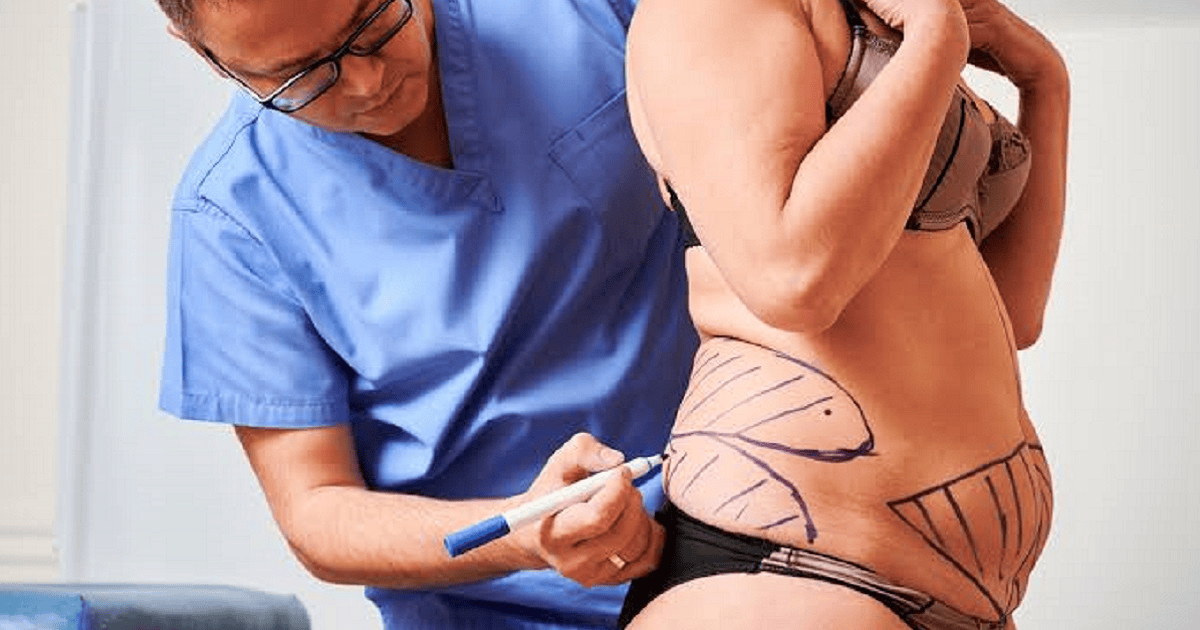
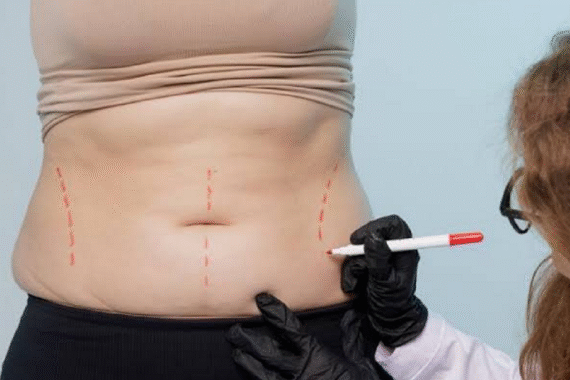
The abdomen is one of the most common areas treated with liposuction. It can be used to reduce localized fat around the upper and lower stomach and create a smoother abdominal contour.
This is particularly relevant for people who are relatively fit but still have a persistent layer of subcutaneous fat that doesn’t respond as expected to exercise or changes in diet.
However, there’s an important distinction here: liposuction removes fat, not significant amounts of loose skin or weakened abdominal muscles. Someone with substantial excess skin after pregnancy or major weight loss may need a tummy tuck or another body-contouring procedure instead of or in addition to liposuction.
The waist and flanks are another popular treatment area, particularly for people who want better definition between the upper body and hips.
Liposuction can address localized fat around the sides of the waist, often called “love handles” or “muffin tops.” Treating these areas can sometimes make a noticeable difference to overall body proportions, even when the amount of fat removed is relatively modest.
From a practical perspective, good contouring isn’t always about removing the maximum amount of fat. It’s about creating a balanced transition between neighboring areas.
Liposuction may be used to reduce excess fat around the hips and buttocks and improve overall body proportions.
The goal isn’t necessarily to make the buttocks smaller. In some patients, carefully planned fat removal around the surrounding areas can create a more defined silhouette.
It’s also worth noting that liposuction can sometimes be part of a broader body-contouring plan, but the exact approach depends heavily on the patient’s anatomy and desired outcome.
Both the inner and outer thighs can be treated with liposuction in appropriately selected patients.
The inner thighs may be treated to reduce localized fullness, while the outer thighs and “saddlebags” can be addressed to create a smoother transition between the hips and legs.
One thing I always think is important when discussing thigh liposuction is skin quality. If the skin has limited elasticity, removing fat alone may not produce the smooth, firm appearance a patient expects. A consultation should therefore assess both the fat distribution and the skin not just the amount of fat present.
Upper-arm liposuction can help reduce localized fat and improve the contour of the arms.
It’s often considered by people who have persistent fullness in the upper arms despite maintaining a healthy lifestyle. However, liposuction isn’t a substitute for an arm lift when the main concern is significant loose or hanging skin.
This distinction is easy to overlook in online articles, but it matters. The right procedure depends on whether the problem is primarily fat, skin, or a combination of both.
The upper and lower back can also contain stubborn pockets of fat. Liposuction may be used to contour these areas and improve the appearance of bulges around the back or bra-line region.
Back contouring can be particularly helpful when fat deposits create an uneven transition between the upper back, waist, and flanks. The treatment plan should be individualized because fat distribution varies considerably from person to person.
Liposuction isn’t limited to the body. Small amounts of localized fat beneath the chin and around the neck can sometimes be treated to improve the definition of the jawline.
This is commonly considered for people concerned about a double chin caused primarily by excess subcutaneous fat.
However, neck and chin liposuction aren’t right for everyone. If loose skin is the dominant concern, removing fat alone may not provide the desired result. A surgeon needs to determine whether the issue is fat, skin laxity, anatomy, or a combination of factors.
In selected cases, liposuction techniques may be used to address localized fat in areas of the lower face, cheeks, or jawline.
Because the face contains delicate structures and requires a highly refined approach, treatment in this region demands careful patient selection and an experienced surgeon.
The objective should be subtle contour improvement not an overly hollow or artificial appearance.
Liposuction may sometimes be used to reduce excess fatty tissue in the male chest, including cases of pseudogynecomastia where excess fat is a significant contributor.
However, not every case of enlarged male breasts is caused by fat alone. Glandular tissue or excess skin may also be involved, which can require a different surgical approach. Mayo Clinic and the American Society of Plastic Surgeons both recognize the chest as an area where liposuction may be used in appropriate cases.
Less commonly discussed treatment areas include the inner knees, calves, and ankles.
Liposuction can sometimes be used to reduce localized fat deposits in these regions, but these areas require particularly careful assessment. The anatomy is more delicate, and not every person with fuller legs or ankles is a suitable candidate.
This is one reason why a proper consultation is much more valuable than choosing a procedure based solely on a list of “treatable areas.”
In some patients, multiple areas can be treated during one liposuction procedure. For example, a treatment plan might involve the abdomen and flanks, or the thighs and hips.
However, the fact that several areas can be treated doesn’t mean that treating more areas is automatically better. The surgeon must consider the patient’s overall health, the amount of fat being removed, procedure duration, anesthesia, and safety limits.
A personalized treatment plan should always come before deciding how many areas to treat.
Understanding the limitations of liposuction is just as important as knowing where it can be performed.
Liposuction generally isn’t designed to:
It works best as a contouring procedure for localized fat deposits in people who are otherwise reasonably healthy and near a stable weight. Skin that is firm and elastic tends to adapt better after fat removal, while loose or thin skin may require a different or additional procedure.
If you’re considering Liposuction in Islamabad, don’t choose a clinic based only on promotional photographs or the number of treatment areas advertised.
A good consultation should cover:
When researching Liposuction Surgery in Islamabad, it’s sensible to look for a qualified, appropriately trained surgeon and an accredited surgical setting. The quality of the assessment and surgical planning can be just as important as the liposuction technique itself.
For patients exploring treatment options, a consultation with a specialist such as Dr Afsheen Bilal can be a useful opportunity to discuss individual anatomy, treatment goals, and whether liposuction is genuinely the right fit. The best advice is always personalized rather than based on a generic list of body parts.
What is the Most Common Area for Liposuction?
The abdomen, waist, hips, thighs, and flanks are among the most commonly treated areas. Liposuction may also be used on the arms, back, chin, neck, and other localized areas depending on the patient’s needs.
Can Liposuction Treat the Whole Body?
Liposuction can address multiple body areas, but “full-body liposuction” shouldn’t be interpreted as removing fat from everywhere. The number and combination of areas treated must be determined based on safety, health, anatomy, and the amount of fat involved.
Can Liposuction Remove Belly Fat?
It can remove subcutaneous fat under the skin of the abdomen. It does not remove visceral fat, the deeper fat surrounding internal organs, and it isn’t intended as a treatment for obesity.
Can Liposuction Remove Loose Skin?
No. Liposuction primarily removes localized fat. If loose skin is a major concern, a skin-removal or lifting procedure may be more appropriate.
Can Liposuction Treat a Double Chin?
Yes, in appropriately selected patients, liposuction can be used to reduce localized fat beneath the chin and improve neck and jawline contour. However, skin laxity and underlying anatomy also need to be assessed.
Is Liposuction a Weight-loss Procedure?
No. Liposuction is primarily a body-contouring procedure. It is intended to reshape specific areas rather than serve as an alternative to weight-loss treatment.
Will the Fat Come Back after Liposuction?
Liposuction permanently removes fat cells from the treated area, but the remaining fat cells can enlarge if a person gains weight. Maintaining a stable weight and healthy lifestyle is important for preserving the result.
So, What Areas of the Body can be Treated with Liposuction? The answer is more extensive than many people realize. From the abdomen, waist, and thighs to the arms, back, chin, neck, chest, knees, calves, and ankles, liposuction can be used to address localized fat in many different areas.
But the more important question isn’t simply Can liposuction treat this area? It’s “Is liposuction the right solution for my particular anatomy and goals?”
That distinction is where good treatment planning begins. As Dr Afsheen Bilal often emphasizes when discussing body contouring, a thoughtful consultation should look at the whole picture fat distribution, skin elasticity, body proportions, overall health, and expectations rather than assuming that removing more fat will always produce a better result.
If you’re considering liposuction in Islamabad, take your time, ask direct questions, and choose a qualified surgeon who is willing to explain both the possibilities and the limitations. A trustworthy approach isn’t about selling a procedure. It’s about helping you understand what can realistically be achieved and choosing the safest path to get there.