August 31, 2026


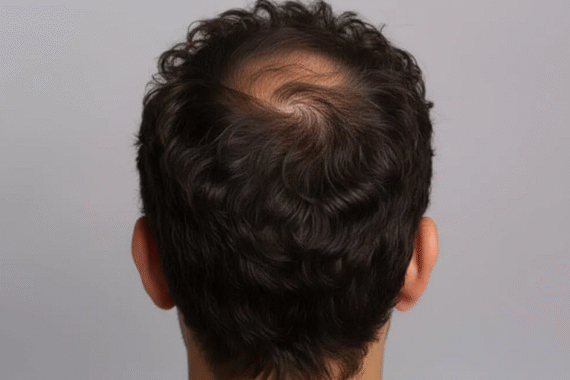
Hair loss is personal. It doesn’t matter whether it starts at 25 or 45 the moment you notice your hairline retreating, something shifts. You start angling your head in photos. You’re more aware of overhead lighting. And at some point, you start researching options.
If you’ve spent any time down that research rabbit hole, you’ve probably come across the term Sapphire FUE hair transplant. It sounds almost too refined, like a gemstone analogy someone invented for marketing. But Sapphire FUE Hair Transplant: Precision and Natural Results isn’t just a catchy phrasthere’s genuine science behind it, and once you understand the difference, it’s hard to unsee.
Standard FUE Hair Transplant has been around since the early 2000s. It works by extracting individual follicular units from a donor area and implanting them where hair is thinning. It’s far less invasive than the older strip method, leaves no linear scar, and recovery is relatively quick.
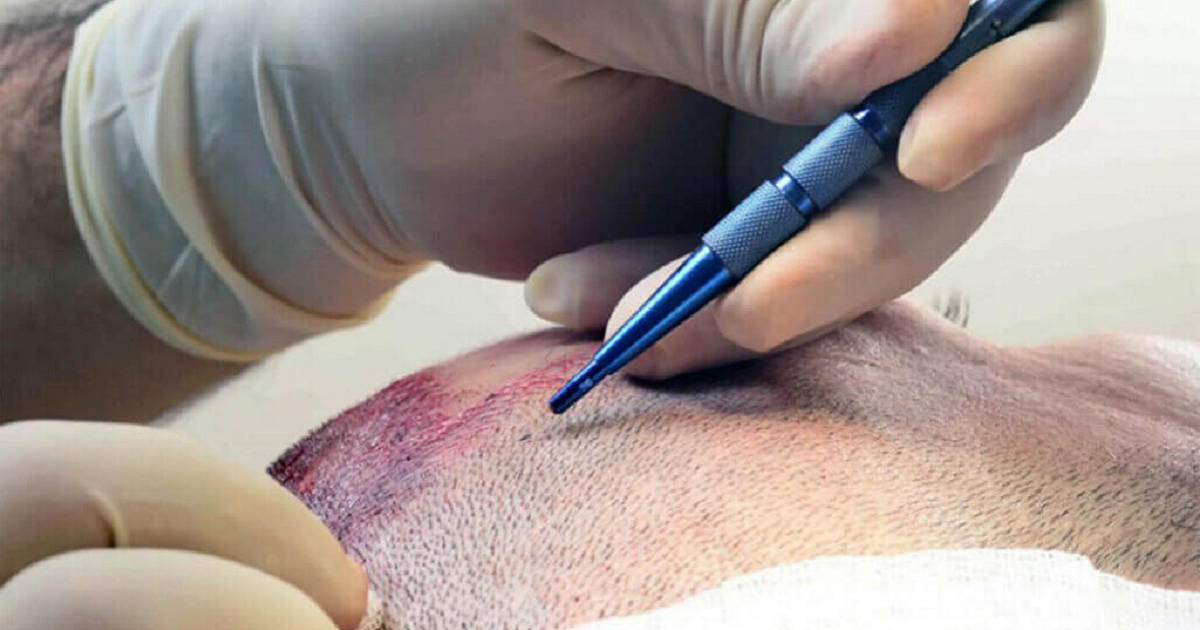
In traditional FUE, the channels where grafts are placed are made with steel micro-blades. Sapphire FUE replaces those steel blades with blades crafted from synthetic sapphire, one of the hardest materials on earth. The result is a sharper, V-shaped incision with a smoother edge, which translates into a few meaningful clinical advantages:
It’s worth being clear: sapphire blades don’t extract the follicles differently. The extraction phase is still standard FUE. The sapphire upgrade applies specifically to the channel opening phase, which is actually where a lot of the artistry (and risk) lives.
Here’s what a lot of generic hair transplant content glosses over: the channel-opening phase is arguably the most technically demanding part of the procedure. Getting the depth wrong, even by a fraction of a millimeter, means the graft sits too shallow and pops out or too deep and doesn’t get enough blood supply.
Angle matters enormously, too. Hair doesn’t grow straight out of the scalp at 90 degrees. It grows at specific angles, usually 30 to 45 degrees, and those angles vary by zone. The hairline requires particularly precise angling because it’s the most visible area, and even a few degrees off reads as “fake” to the human eye.
When I spoke with the team at Dr Afsheen Bilal’s clinic in Islamabad, they emphasized this exact point. Their approach with sapphire blades isn’t just about using better tools, it’s about the control those tools give the surgeon to place each channel with intention. That level of control, they noted, is what separates a result that blends seamlessly from one that looks patchy or directionally off after a year.
Let’s be straightforward about this. For patients with mild hair loss in isolated areas, standard FUE with a skilled surgeon can deliver excellent results. The tool matters less than the hands using it.
That said, sapphire FUE has clear advantages in specific scenarios:
The healing timeline is noticeably shorter in most cases. Most patients doing sapphire FUE are back to regular activities within 5–7 days instead of 10–14. Redness and scabbing resolve faster. And the early growth phase tends to look more uniform.
Pakistan’s hair restoration market has grown considerably over the last decade, and Islamabad has emerged as a credible hub partly because of access to international training standards and partly because of a handful of genuinely skilled surgeons who’ve pushed the quality bar upward.
FUE hair transplant in Islamabad is now performed at clinics ranging from high-volume budget operations to boutique surgical practices that handle far fewer cases per day with more individualized care. The price variation is wide, and so is the quality.
One pattern I’ve noticed: patients who focus solely on cost often report results that look acceptable in year one but start to look patchy or directionally inconsistent as they age. Hair transplants aren’t like getting a filling; they’re permanent, and the artistry of placement only becomes more visible over time.
Dr Afsheen Bilal is among the names that come up consistently when patients in Pakistan discuss quality FUE outcomes. Her clinic’s case documentation, particularly the hairline reconstruction results, reflects the kind of density and natural direction control that sapphire technique enables when it’s executed properly.
There’s swelling usually in the forehead and sometimes around the eyes. It looks worse than it feels. The donor area is mildly tender. Sleeping elevated helps a lot.
Scabbing forms around each graft. This is normal and protective. You’ll be told not to pick this is genuinely important. Sapphire patients typically see less scabbing than traditional FUE patients.
The transplanted hairs start to shed. This is called shock loss, and it’s expected. First-timers often panic during this phase. Don’t. The follicle is still intact; it’s the shaft that falls, and new growth follows.
New hairs start emerging. They’re initially fine and may look patchy. By month 6, a clearer picture of the final result begins to form.
Full results. Most sapphire FUE patients with good graft survival see 85–95% of implanted hairs growing normally at this stage.
That last question is underrated. Hair loss often continues after a transplant, which is why long-term planning matters. A good surgeon accounts for this by preserving enough donor hair and designing the hairline with future recession in mind an approach carefully followed at Dr Afsheen Bilal Clinic.
Is Sapphire FUE Painful?
The procedure is done under local anesthesia, so you shouldn’t feel pain during. Post-op discomfort is mild; most patients describe it as tenderness rather than pain, manageable with standard medication for 2–3 days.
How Long Do Sapphire FUE Results Last?
Transplanted follicles are taken from areas genetically resistant to DHT. Those hairs tend to be permanent they retain their donor characteristics after transplantation. That said, your native hair in other areas may continue thinning.
What’s the Cost of a Sapphire FUE Hair Transplant in Islamabad?
Pricing varies based on graft count and clinic. In Islamabad, a mid-range quality procedure typically costs between PKR 80,000–250,000+, depending on session size. Clinics charging significantly below this range may be cutting corners on graft handling or surgeon involvement.
Can Women get Sapphire FUE?
Yes. Female pattern hair loss and traction alopecia are both treatable with FUE. The Sapphire technique is particularly useful for women because the smaller incisions mean less visible scarring if the hair is worn shorter.
How Many Grafts do I Need?
A minor hairline correction might need 800–1,200 grafts. A full crown restoration could require 3,000+. A proper consultation with scalp assessment, not a phone quote, is the only reliable way to estimate this.
Is Sapphire FUE Better than DHI?
Both techniques have their strengths. DHI uses a Choi implant pen that places grafts directly without pre-made channels. Sapphire FUE gives the surgeon more control over channel design before implantation. Experienced surgeons often choose based on the specific case rather than defaulting to one method.