September 25, 2026


If you’ve been thinking about lip fillers, one of the first questions you may ask is: “Am I too young or have I waited too long?”
There isn’t one universal “perfect” age for lip fillers. The right time depends more on your facial development, lip structure, aesthetic goals, health, and expectations than on the number on your birthday.
For people researching Lip Fillers in Islamabad, it’s especially important to look beyond before-and-after photos and advertised prices. The skill of the injector, the filler product, treatment planning, and ability to manage complications all matter.
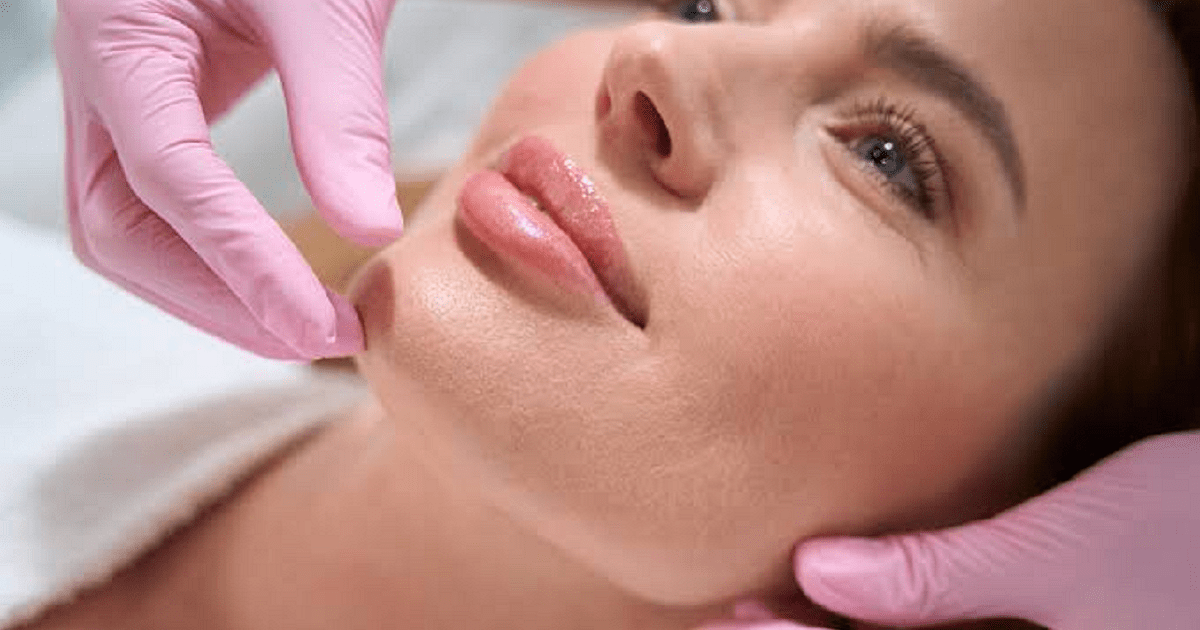
Lip fillers are injectable dermal fillers used to add volume, improve lip definition, correct asymmetry, and sometimes soften fine lines around the mouth. Hyaluronic acid (HA) is one of the most commonly used materials because it is naturally present in the body and can provide temporary volume.
A good lip-filler treatment shouldn’t simply make the lips bigger. An experienced injector considers:
That’s why “more filler” doesn’t necessarily mean a better result.
For most people, lip fillers should be considered only once they’re adults and facial development is complete, subject to local regulations and the treating clinician’s assessment.
There’s also an important distinction between being old enough and being ready. A healthy adult may technically be eligible but still not be a good candidate if they’re pursuing an unrealistic trend, feeling pressured by social media, or expecting filler to completely change their facial appearance.
In the United States, for example, the FDA-approved uses of dermal fillers include lip augmentation in people aged 22 and older. Regulations and product approvals can differ between countries, so patients in Pakistan should confirm the requirements and product being used with their qualified medical provider.
In your 20s, treatment is generally more about enhancement than correction of age-related volume loss.
Someone might consider filler because they naturally have thin lips, mild asymmetry, or wants greater definition. For a first treatment, conservative amounts can be sensible because you can always reassess later.
During these decades, some people begin noticing changes in lip volume, definition, or the skin around the mouth.
Filler may be used not only for volume but also to restore proportion and improve definition. The goal is usually different from that of a younger patient: rather than creating dramatic fullness, the treatment may focus on restoring what has gradually changed.
There’s no automatic age cut-off for lip fillers.
Older patients may benefit from carefully planned treatment when appropriate, but the approach can be more complex. Changes in skin elasticity, surrounding facial tissues, dental structure, and existing volume loss need to be considered.
This is one reason an individualized assessment is more useful than choosing treatment based on age alone.
A suitable candidate is generally someone who:
A consultation should be about more than choosing the size of your lips. The provider should assess your anatomy and discuss what is realistically achievable.
Lip filler may not be appropriate for everyone. Your provider may recommend postponing treatment if you have an active infection around the mouth, certain allergies, a relevant bleeding disorder, or another medical issue that increases risk.
Pregnancy or breastfeeding may also be a reason to postpone elective cosmetic injectable treatment, depending on the clinician’s assessment and available safety evidence.
If you have a history of cold sores, tell your injector before treatment. They can decide whether additional precautions are appropriate.
A typical appointment involves several stages:
The procedure itself may be relatively quick, but rushing the consultation is one of the mistakes patients should avoid.
Some improvement is visible soon after treatment, but immediate post-injection lips aren’t the final result.
Swelling and mild bruising are common, and the lips can initially appear fuller than intended. As swelling settles, the final shape becomes easier to judge. Local clinic guidance commonly places the settling period around one to two weeks, although individual recovery varies.
HA filler results are temporary. How long they last depends on the product, amount used, metabolism, treatment technique, and individual factors. Many clinics report approximately 6–12 months, although some products and patients may experience longer-lasting effects.
When performed by an appropriately qualified and experienced medical professional, dermal fillers can be used safely, but they aren’t risk-free.
Common short-term effects include:
Less common complications include infection, nodules, inflammatory reactions, and tissue injury. The most serious complication occurs when filler unintentionally enters a blood vessel, potentially causing tissue death, vision problems, or other serious injury.
That’s why injector expertise and knowledge of facial anatomy are not optional extras they’re central to treatment safety.
The FDA also specifically warns against needle-free devices such as “hyaluron pens” for dermal filler injections because serious injuries have been reported.
There isn’t one fixed price for Lip Fillers in Islamabad. Current clinic-published prices vary considerably, with examples ranging from roughly PKR 20,000 to PKR 80,000+, depending on filler brand, volume, injector expertise, and treatment plan.
A very low price shouldn’t automatically be considered a bargain. Before treatment, ask:
When comparing the Best Lip Fillers in Islamabad, compare the quality and safety of the treatment, not just the price per syringe.
Dr Afsheen Bilal is a dermatologist practicing in Islamabad, with qualifications including MBBS, a Diploma in Dermatology from AFPGMI, and FCPS in Dermatology. Her clinic also lists lip fillers and dermal fillers among its aesthetic services.
For a treatment such as lip filler, the value of an experienced dermatologist is not simply the injection itself. A proper assessment can help determine whether filler is actually the most appropriate option and how much enhancement is likely to suit the patient’s existing anatomy.
Some of the most avoidable problems come from rushing the decision.
A conservative first treatment can often be easier to evaluate than an aggressive one.
Before treatment, expect a consultation and realistic discussion of what can be achieved.
Immediately afterward, your lips may look swollen or uneven. That doesn’t necessarily mean the final result will look that way.
Over the following days, swelling usually decreases, and the shape becomes more apparent. If you experience severe or worsening pain, unusual skin discoloration, significant swelling, vision changes, or other concerning symptoms, contact your medical provider urgently rather than waiting for the filler to “settle.” Serious vascular complications, while uncommon, require prompt attention.
What is the Best Age to Start Lip Fillers?
There is no universal ideal age. Lip fillers are generally considered for adults who have completed facial development, have a genuine aesthetic reason for treatment, and understand the benefits and risks. Applicable age requirements vary by country and product.
How Do Lip Fillers Work?
Most modern lip fillers use a gel such as hyaluronic acid to add volume and structure beneath the skin. The injector strategically places the product to enhance shape, definition, symmetry, or fullness.
Are Lip Fillers Safe?
They can be safe when performed appropriately by a qualified medical professional, but complications are possible. Choosing an experienced injector and verified filler product is essential.
How Long Do Lip Fillers Last?
Many lip fillers last around 6–12 months, although duration varies by product and patient.
Can Lip Fillers be Reversed?
Many hyaluronic-acid fillers can be reduced or dissolved using hyaluronidase when medically appropriate. This should only be performed by a qualified professional.
Is Lip Filler Worth It?
That depends on your goals. If you want a modest improvement in volume, definition, or symmetry and understand that maintenance may be needed, filler can be worthwhile. It’s less likely to be satisfying if you’re expecting permanent results or a dramatic change in facial appearance.
What Should I Look for When Choosing a Lip Filler Clinic in Islamabad?
Prioritize a qualified medical injector, transparent product information, appropriate consultation, realistic treatment planning, sterile technique, and a clear plan for managing complications and follow-up.
The best age for lip fillers isn’t simply a number. The better question is whether you’re an appropriate candidate, have realistic expectations, and are choosing treatment for your own reasons rather than pressure from trends or social media.
Younger adults may seek subtle enhancement of naturally thin or asymmetric lips, while older patients may use filler to restore volume and definition lost over time. Neither approach is automatically better.
If you’re considering lip fillers in Islamabad, Dr. Afsheen Bilal recommends taking the time for an honest consultation with a qualified medical professional. A personalized assessment can help determine whether lip filler is appropriate for you and what level of enhancement is realistic.