September 11, 2026


Let’s be honest, nobody actually enjoys shaving, waxing, or threading. It’s painful, repetitive, and somehow you’re back to square one within days. So it’s no surprise that more and more people are ditching the razor and looking for something that actually lasts.
Laser Hair Removal has been around for a while, but 2026 is shaping up to be its biggest year yet. The technology has matured. The costs have come down. And clinics across the world, including right here in Islamabad, are making it more accessible than ever.
Here’s a deep look at why laser treatment is pulling ahead of every other method, and what you should know before booking your first session. The Future of Hair Removal: Why Laser Treatment Leads in 2026.
Shaving gives you 24–48 hours, waxing maybe three weeks. Threading? Same story. You’re not solving the problem, you’re just postponing it.
The real issue with these methods isn’t just the time they eat up. It’s the cumulative skin damage: ingrown hairs, hyperpigmentation, folliculitis, and constant irritation, especially on darker or more sensitive skin tones.
If you’ve been dealing with any of that, you already know the frustration. And that’s exactly where laser steps in.
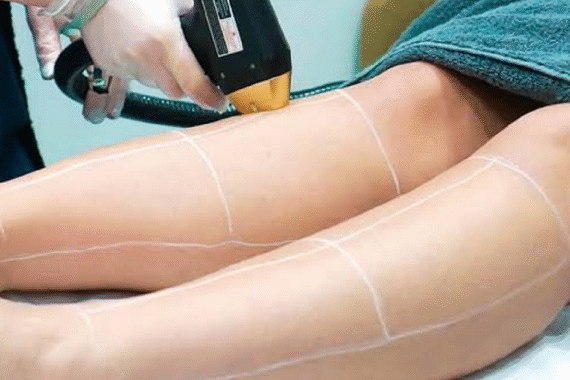
A laser emits a concentrated beam of light that targets the melanin (pigment) in your hair follicle. The heat from that light damages the follicle just enough to slow or stop future hair growth without affecting the surrounding skin.
It’s not magic, and it’s not instant. Most people need between 6 and 8 sessions to see a significant permanent reduction. But after completing the treatment, many clients report up to 90% reduction in hair growth, and that’s a game-changer.
The laser technology landscape has genuinely evolved. Here’s what’s different now compared to even five years ago:
That last point matters if you’re someone with a packed schedule. The barrier to entry has dropped significantly.
This was a real concern a decade ago. Early laser systems worked best on light skin with dark hair and were genuinely risky for darker complexions.
That’s changed. Nd: YAG lasers, which penetrate deeper with a longer wavelength, are now widely used for South Asian, Middle Eastern, and African skin tones. For someone in Pakistan, where melanin-rich skin is the norm, this development is huge.
That said, the operator matters as much as the machine. I’ve spoken with clients who had poor experiences, not because of bad technology, but because the technician wasn’t trained for their skin type.
Hair removal in Islamabad has quietly become a competitive, sophisticated market. Clinics have upgraded significantly over the past few years, partly driven by growing demand from women who are simply tired of salon visits every few weeks.
What’s encouraging is that dermatology-led practices are setting a higher standard. When you walk into a clinic where a qualified dermatologist is actually overseeing treatment protocols, the experience is fundamentally different.
Dr Afsheen Bilal is one of the names that come up when people ask about trusted laser hair removal in Islamabad. As a practising dermatologist, she approaches laser treatment clinically, assessing skin type, hair density, hormonal factors, and medical history before recommending a plan. That kind of thoroughness isn’t universal, and it makes a real difference in outcomes.
If you’re exploring hair removal in Islamabad, it’s worth seeking out clinics where the practitioner is medically trained rather than purely aesthetics-focused.
Before your first session:
During the session, Most people describe it as a light snap or warm pinch. Modern devices with cooling tips make it quite tolerable even on sensitive areas. Sessions typically range from 15 minutes (upper lip/underarms) to 60+ minutes (legs/back).
After the session:
This is probably the most common question, and the honest answer is: it depends.
Factors that affect the number of sessions include:
Generally speaking, most people see the bulk of their results between sessions 4 and 6. Some areas like the face or bikini line, may need a few maintenance sessions once or twice a year.
Let’s put this in perspective. If you’re threading your face every three weeks, that’s roughly 17 visits a year. Multiply that over five years plus waxing, razors, and whatever products you’re using for ingrown hairs, and you’re spending a surprising amount.
Laser hair removal in Islamabad has become significantly more affordable over the last few years. Package deals for full sessions are widely available, and the long-term math genuinely favours laser if you’re consistent.
It’s not cheap upfront. But it’s an investment that pays back in time, comfort, and skin health.
Is Laser Hair Removal Permanent?
It’s technically classified as “permanent hair reduction,” not total elimination. Most clients see an 80–90% reduction after completing sessions, with occasional maintenance needed.
Does It Hurt?
Less than waxing for most people. Modern lasers with cooling tips have made it much more manageable. Sensitive areas (bikini, upper lip) can be more intense, but brief.
Can I get a Laser if I have PCOS?
Yes, but with realistic expectations. PCOS-related hair growth can persist due to hormonal activity, so more sessions may be needed, and maintenance is more likely. A consultation with a dermatologist like Dr Afsheen Bilal is especially valuable in this case.
How long between sessions?
Typically, 4–6 weeks for body areas, 3–4 weeks for the face. Your practitioner will advise based on your hair growth cycle.
Is It Safe During the Summer in Pakistan?
You can have sessions year-round, but strict sun protection is essential, especially in summer. Some practitioners recommend spacing sessions carefully during peak sun months.
What’s the Best Age to Start?
Most practitioners recommend waiting until your mid-teens at the earliest, when hair growth has stabilised. There’s no upper age limit.
Laser hair removal isn’t a trend; it’s become the practical, sensible choice for anyone who’s tired of the maintenance cycle. The technology has matured, the access has improved, and the results speak for themselves.
If you’re in Pakistan and considering it, the quality of care you’ll receive depends enormously on who you go to. Look for a medically qualified practitioner, ask about their experience with your skin type, and don’t be afraid to ask detailed questions before committing.
Whether you’re exploring laser hair removal in Islamabad at Dr Afsheen Bilal for the first time or finally ready to commit after thinking about it for years 2026 is genuinely a great time to make the switch. Your future self, the one who isn’t standing in the bathroom shaving every other day, will thank you.