
January 19, 2026


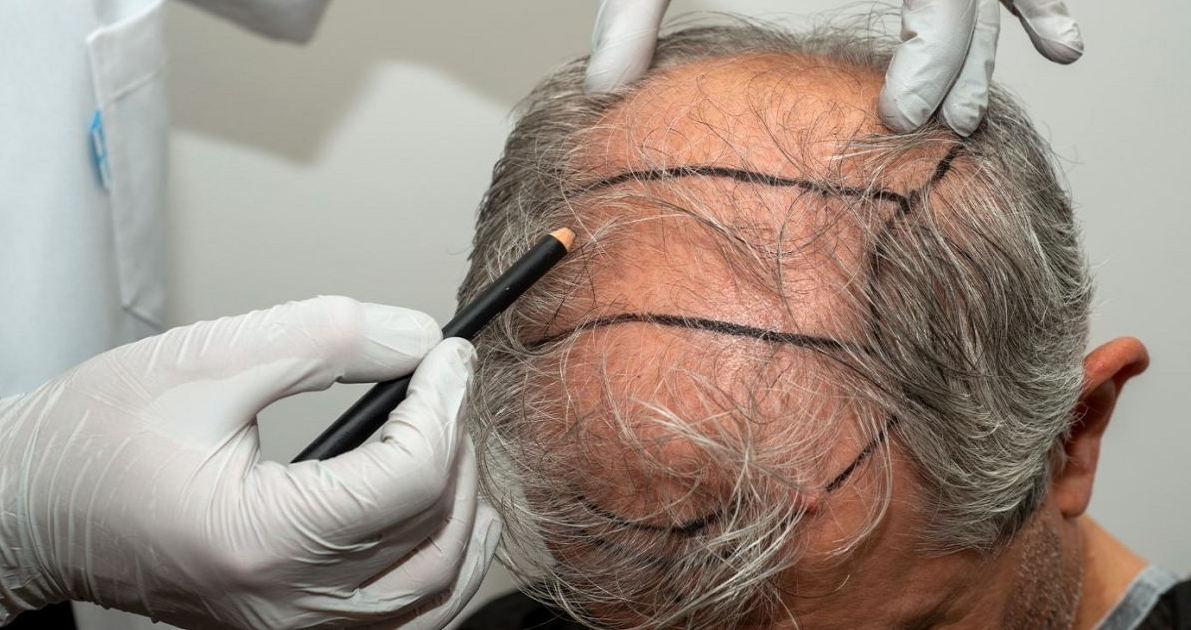
Hair loss sneaks up on a lot of us. One day your hairline looks “a little mature,” and the next you’re researching Hair Transplant in Islamabad at 2 a.m. I’ve had the chance to observe patients consulting experts like Dr Afsheen Bilal, and the same questions always come up: How does the procedure work? Is it safe? What does it cost? And most importantly, will it look natural? This Complete Guide to Hair Transplant: Procedure, Cost, and Recovery will answer all of these honestly, so you can make a confident decision.
A hair transplant is a surgical procedure where hair follicles are taken from a donor area (usually the back or sides of the scalp) and implanted into thinning or bald areas. The idea sounds simple, but results depend heavily on technique, surgeon experience, and patient suitability.
In Islamabad, hair transplant surgery has become popular due to improving medical standards and access to trained specialists.
Most clinics offering Hair Transplant Surgery in Islamabad use one of these two methods:
This is the most requested option today.
From my experience observing outcomes, FUE works best for people who want short hairstyles and minimal downtime.
An older but still useful technique in some cases.
Some surgeons still recommend FUT for advanced hair loss, but fewer patients choose it now.
Not everyone with hair loss should rush into surgery. Good candidates usually:
I’ve seen cases where patients were advised to wait or try medical treatments first. Ethical clinics do this—and it’s a good sign.
This is one of the most searched topics, and understandably so.
The cost of a hair transplant in Islamabad typically depends on:
On average, prices are calculated per graft. Be cautious of clinics advertising extremely cheap packages. In my experience, poor planning and rushed procedures often lead to unnatural hairlines or patchy growth later.
While many people search for the Best Hair Transplant Clinic in Islamabad (often misspelled online as “Besyt Hair Transplant Clinic in Islamabad”), the smarter approach is to evaluate the surgeon, not just the clinic name.
Here’s what patients usually experience:
I’ve seen patients walk out the same day, slightly tired but relieved it wasn’t as scary as they imagined.
Recovery isn’t instant, and anyone promising “overnight results” isn’t being honest.
Week 1–2:
Month 1–3:
Month 4–6:
Month 9–12:
One important thing I always emphasize: patience. Hair restoration is a slow reveal.
During my exposure to hair restoration cases, I’ve noticed surgeons like Dr Afsheen Bilal stand out not because of marketing, but because of consultation quality. Patients are educated about limitations, donor management, and long-term planning—things often skipped in sales-driven clinics.
That kind of transparency builds trust and usually leads to better outcomes.
No procedure is risk-free. Possible issues include:
Choosing an experienced surgeon dramatically lowers these risks.
Yes, transplanted hair is generally permanent because it’s taken from genetically resistant areas.
Not really. Local anesthesia minimizes pain. Mild discomfort afterward is manageable.
Absolutely. Women with pattern thinning or traction alopecia can benefit.
Most people resume desk work in 2–3 days.
Yes, if you choose the right surgeon and clinic. Standards vary widely, so research matters.
A hair transplant isn’t just a cosmetic decision it’s an emotional one. When done right, it restores confidence. When rushed or poorly planned, it leads to regret.
If you’re considering a Hair Transplant in Islamabad, focus less on flashy promises and more on experience, ethics, and long-term planning. Visiting a reputable clinic, like Dr Afsheen Bilal’s clinic, can make a real difference in understanding the procedure, setting realistic expectations, and achieving natural results. Talk to qualified professionals, ask tough questions, and don’t rush the process.