September 4, 2026


Thick, curly, and coarse hair can look incredibly dense and full, but when hair loss happens, it often feels more noticeable and emotionally frustrating compared to straight hair types. In my experience working with hair restoration cases, patients with textured hair usually come in with two concerns: “Will the results look natural?” and “Is my hair type harder to transplant?”
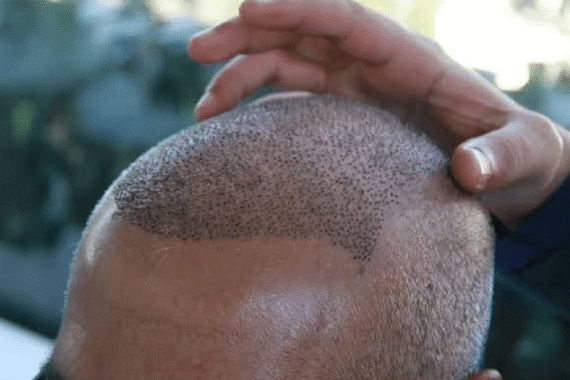
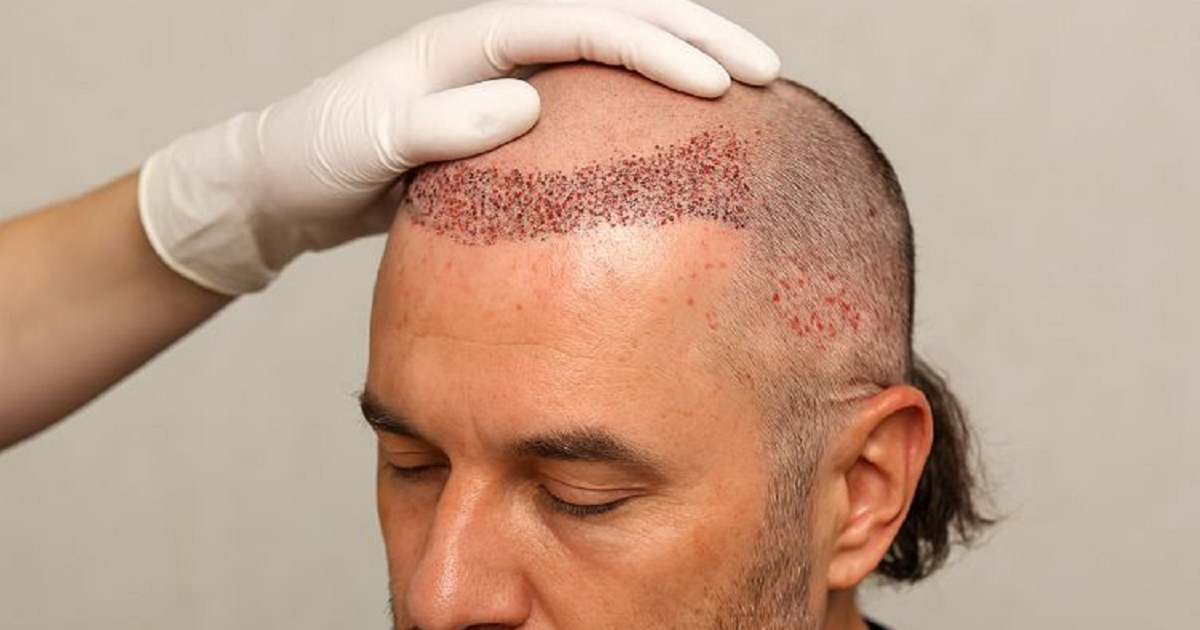
When it comes to FUE Hair Transplant for Thick, Curly, and Coarse Hair, the short answer is: yes, it requires more surgical skill and planning, but it also delivers some of the most visually rewarding and natural-looking results when handled correctly.
FUE (Follicular Unit Extraction) Hair Transplant is widely used, but not all hair types behave the same during extraction and implantation.
Thick, curly, and coarse hair presents unique characteristics:
One thing I’ve consistently noticed is that the inexperienced handling of curly follicles can lead to wasted grafts or uneven density. That’s why technique matters more than just technology.
Most top-ranking pages on this topic cover the basics well FUE steps, recovery time, and general success rates. But they often miss deeper, practical insights such as:
Commonly Covered:
What’s usually missing:
This is where patients often feel confused. The procedure sounds simple online, but textured hair adds a layer of complexity that deserves more honest discussion.
Curly follicles sit at an angle beneath the scalp. If the punch angle isn’t aligned properly, graft damage increases. A slower, more controlled extraction is usually preferred over aggressive harvesting.
Coarse hair gives a “dense illusion,” but overharvesting can still leave visible thinning. Proper mapping of donor zones is critical.
One mistake I often see is designing straight hairlines for curly-haired patients. Natural results require soft, irregular micro-patterns that mimic natural growth direction.
Curly hair often appears shorter initially but gains visual volume as it grows. Patients should be prepared for a slightly different early appearance phase.
From what I’ve observed in clinical recovery patterns:
One thing patients underestimate is patience. Curly hair tends to “bulk up” later in the cycle, so early comparisons can be misleading.
Over the past few years, demand for FUE Hair Transplant in Islamabad has increased significantly due to improved surgical techniques and more specialized handling of ethnic hair types.
Patients typically look for:
This combination is what drives most consultations in the region.
In several documented cases I’ve reviewed and discussed with peers, Dr Afsheen Bilal emphasizes a conservative and design-focused approach, especially for patients with curly and coarse hair textures.
Rather than maximizing graft numbers, the focus is often on:
That balance is what makes results look natural rather than “transplanted.”
If you’re undergoing FUE with thick or curly hair, aftercare plays a huge role in outcome:
Small mistakes during healing can affect graft survival more than people realize.
Is FUE Suitable for Very Curly Hair Types?
Yes, but it requires a surgeon experienced with curved follicle extraction to avoid damage.
Does Curly Hair Give Better Coverage after a Transplant?
Generally, yes, curly hair provides better visual density per graft compared to straight hair.
Is the Procedure More Painful for Coarse Hair?
No. Pain levels are similar across hair types since anesthesia is used.
How Many Grafts are Usually Needed?
It depends on the level of hair loss, but curly hair often requires fewer grafts for visible coverage.
Can Transplanted Curly Hair Lose Its Curl?
In most cases, no. The natural curl pattern usually remains consistent after healing.
FUE Hair Transplant for Thick, Curly, and Coarse Hair isn’t just a medical procedure it’s a design challenge. When done properly, it can restore not just hair but also confidence in a very natural-looking way.
What really stands out in successful cases is not just surgical precision, but the understanding of how textured hair behaves over time. That’s where real clinical experience makes a noticeable difference, especially in settings like the Dr Afsheen Bilal Clinic, where individualized planning plays a key role in achieving natural results for diverse hair types.
Whether you’re just researching or actively planning a procedure, taking time to understand your hair type and choosing a specialist who respects its complexity matters more than anything else.