April 1, 2026


Getting a tattoo removed is a big decision sometimes just as big as getting it in the first place. From my years working around cosmetic procedures and patient experiences (and after discussing countless cases with experts, including Dr Afsheen Bilal), I can tell you that “Is Tattoo Removal Safe? Facts, Risks, and Recovery” isn’t a yes‑or‑no question. There are facts, trade‑offs, and realistic expectations you need to know before booking your first session.
Tattoos are more permanent than most people realize because tattoo ink sits deep in the dermis of your skin. That’s why simply scrubbing or using topical creams won’t make it go away your body can’t clear those pigment particles alone.
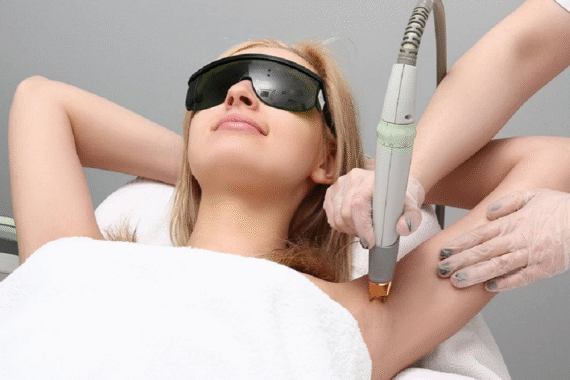
Today, the most common method for getting rid of tattoos especially unwanted ones is Laser Tattoo Removal. Lasers use concentrated light pulses that break tattoo pigment into tiny fragments. Once that happens, your immune system gradually clears them over multiple sessions.
There are other methods surgical excision, dermabrasion, chemical peels but these aren’t as predictable or widely used as lasers.
Short answer: Yes, but only in the right hands with proper expectations.
When performed by a trained professional like a dermatologist or a certified laser practitioner, tattoo removal can be safe and effective. Regulatory bodies such as the FDA support laser tattoo removal under professional supervision.
I’ve seen first‑hand that patients who prepare properly, understand their own skin type, and follow aftercare instructions tend to have smoother recoveries even if the process takes longer than they hope
Laser tattoo removal isn’t a one‑and‑done deal. Depending on size, ink color, skin type, and how the tattoo was applied, it can take anywhere from 6 to 12+ sessions to reach substantial fading.
Dark colors like black and blue generally respond best. Lighter colors yellows, greens, whites, or neon inks often require more sessions and may not disappear completely.
Even with advanced lasers, some residual pigment can remain. In practice, many patients aim for significant fading to allow a cover‑up rather than total erasure.
No medical or cosmetic procedure is 100% risk‑free, and tattoo removal is no exception. Here are the main things to be aware of:
Most patients describe laser sessions like a “rubber band snap” sensation. Numbing creams, cooling devices, or local anesthetics help make this tolerable.
Post‑session swelling, blistering, or minor bleeding is common especially in the first day or two. If not cared for properly, these can worsen.
If healing skin isn’t kept clean, it can become infected. Your practitioner should guide you on wound care and signs to watch for.
Modern laser systems are designed to minimize this, but scarring and skin discoloration can still happen more so with older methods or improperly performed sessions.
Your skin might temporarily become lighter (hypopigmentation) or darker (hyperpigmentation), especially if you don’t avoid sun exposure during recovery.
Real experiences tell us that even people with good intentions and good aftercare can react differently some blister badly, others have minimal reactions. That variability is normal but worth planning for.
Recovery isn’t instant, and it doesn’t look the same for everyone. Practical tips I share with clients include:
Sessions are typically spaced 6–8 weeks apart to allow your skin to heal and your immune system to process ink fragments.
If you’re considering tattoo removal in Islamabad, it’s wise to consult professionals who understand diverse skin types and laser technology. Based on conversations with practitioners like Dr Afsheen Bilal, thorough consultations and patch tests are essential before starting treatments especially for people with darker skin tones or larger tattoos.
Labs and clinics vary in equipment and expertise, so don’t hesitate to ask about:
Does Tattoo Removal Hurt more than Getting the Tattoo?
Not usually more than the original tattooing, but pain varies by area and your personal sensitivity. Numbing options help.
Can a Tattoo be Completely Removed?
Sometimes but many tattoos only fade significantly. Full removal depends on ink colors, age, and the technology used.
Are Creams or Home Methods Effective?
No. Topical creams can irritate skin and won’t penetrate deep into the skin. They are not medically approved.
Is Laser Tattoo Removal Safe for all Skin Tones?
Yes, when done by an experienced professional. Some lasers are better for darker skin, and precautions reduce pigment changes.
The decision to remove a tattoo is deeply personal and sometimes emotional. When done thoughtfully with realistic expectations, professional guidance, and solid aftercare laser tattoo removal can be a safe and satisfying choice.
I’ve worked with many people navigating this process, and while it’s not a magic eraser, it often serves as a therapeutic release. If you’re in Islamabad, it’s important to sit down with a qualified clinician, ask about their approach (including how they handle risks), and ensure you feel comfortable before starting. Clinics like Dr Afsheen Bilal Clinic provide personalized consultations and follow-up care, which makes the process more reliable and reassuring for patients.