Restore Volume. Keep It Looking Like You.
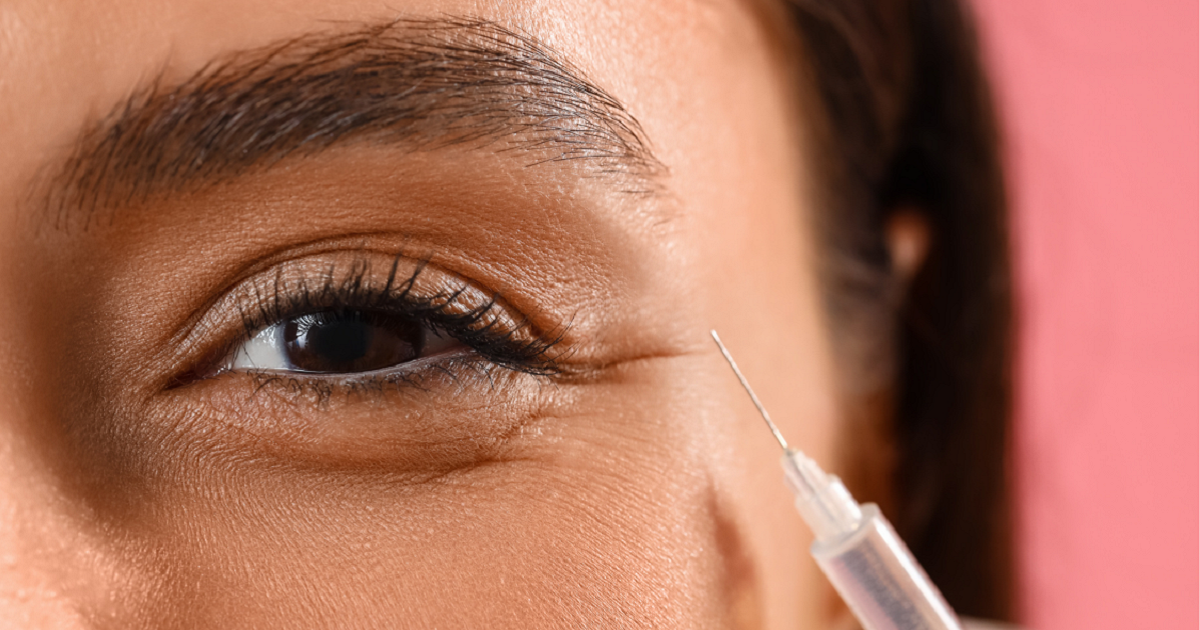
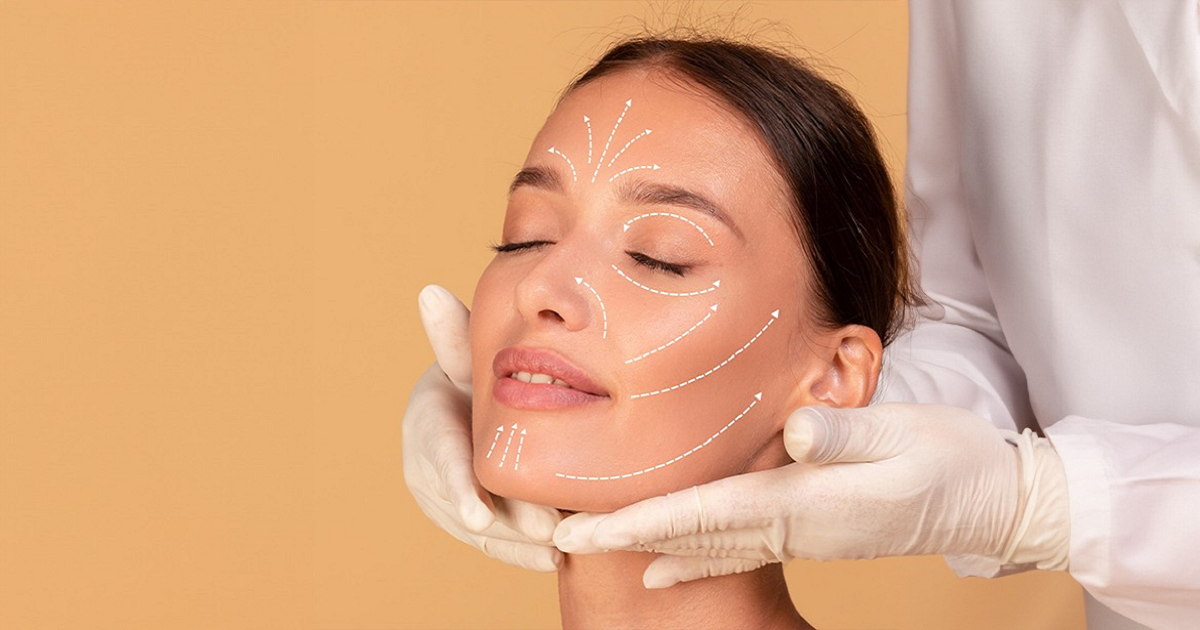
Your face is made up of skin, fat, muscle, and bone, and as you age, volume loss in these layers is what actually causes hollow cheeks, flattened lips, and deeper folds, not just “wrinkles”. Dermal fillers in Islamabad address this directly, restoring lost volume rather than just smoothing the surface.
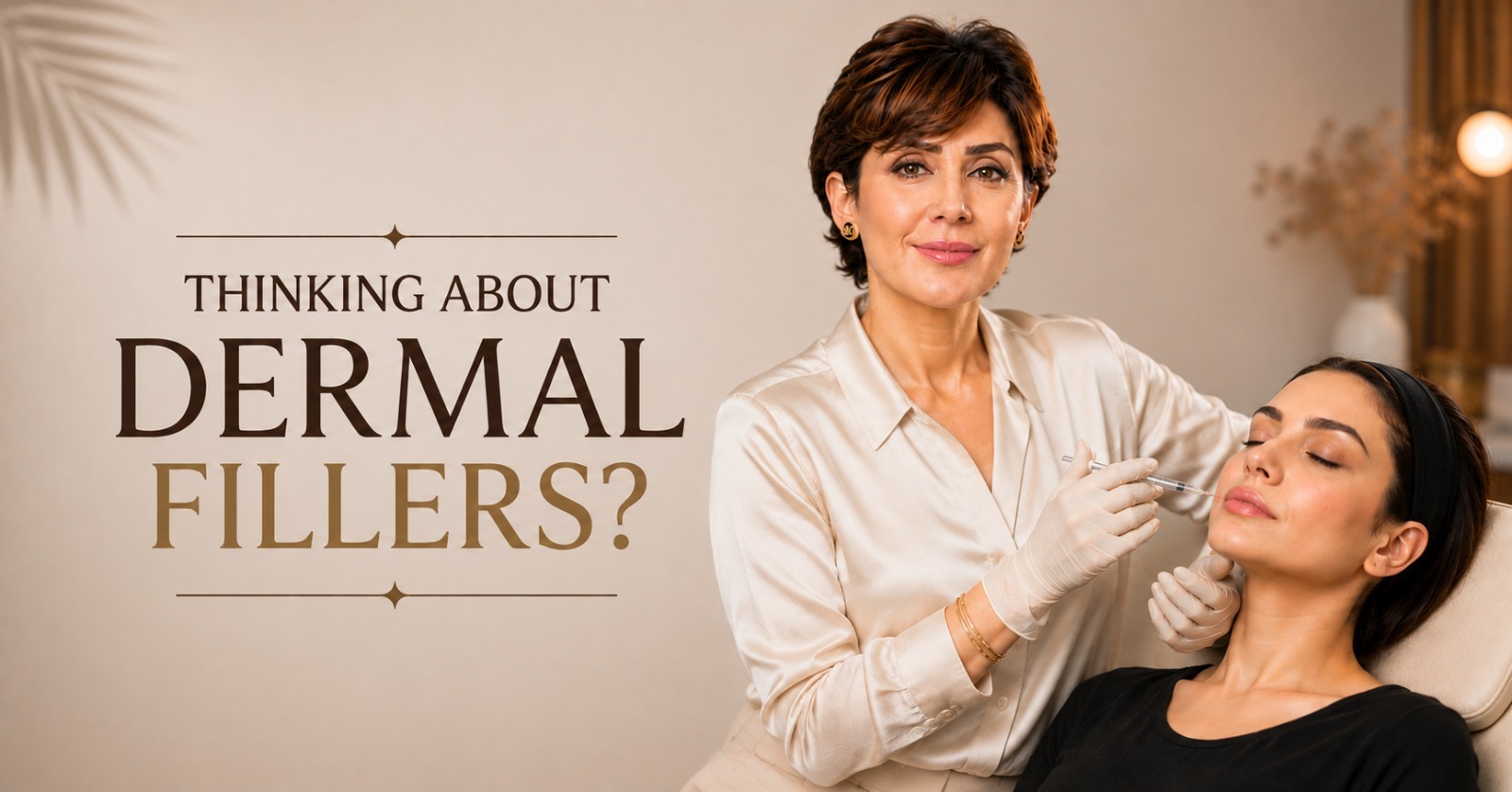
At ARB Clinic, every filler treatment is performed personally by Dr. Afsheen Bilal, a dermatologist with 21 years of clinical experience, who assesses your facial structure before recommending a filler type, placement, and volume, not a fixed package sold to every patient.
The goal is a result people notice as “You look well rested,” not “You got work done.”
Dermal Fillers at ARB Clinic
Treatment | Dermal filler injections to restore volume and enhance facial contours |
Clinic | ARB Clinic Islamabad |
Injector | Dr. Afsheen Bilal, MBBS Gold Medalist, FCPS Dermatology, 21 years of experience |
Location | House A-58, F-7/2, Main Margalla Road, Islamabad |
Session time | 30-60 minutes, depending on areas treated |
Best for | Cheeks, lips, jawline, nose, under-eyes, nasolabial folds, acne scars |
Downtime | None to minimal |
Results | Immediate, with final settling over 1-2 weeks |
Longevity | 6 to 18 months, depending on filler type and treated area |
Starting price | Confirmed after consultation, based on filler type and volume required |
What Are Dermal Fillers?
Dermal fillers are soft, gel like substances injected beneath the skin to restore volume and enhance facial contours. They can lift the cheeks, add volume to the lips, soften lines around the mouth and nose, and refine the jawline or nose shape.
The most widely used ingredient is hyaluronic acid (HA), a substance naturally found in your skin that holds moisture and adds plumpness, and it is used in well-known filler brands such as Juvederm and Restylane. Other filler types include calcium hydroxylapatite, poly-L-lactic acid, and polymethylmethacrylate (PMMA), each suited to different concerns and depths.
Types of Dermal Fillers
Filler Type | Best Known For |
Hyaluronic Acid (e.g. Juvederm, Restylane) | The most common filler type, hydrates and volumises and can be dissolved with hyaluronidase if needed |
Calcium Hydroxylapatite | Denser consistency, effective for deeper wrinkles and volume restoration |
Poly-L-Lactic Acid | Works gradually by stimulating your own collagen production for longer-lasting results |
Polymethylmethacrylate (PMMA) | A semi permanent option for deep wrinkles and scars |
Dermal Fillers vs. Other Anti-Aging Treatments
Fillers aren’t the only injectable option, and they’re not always the right one on their own. Here’s how they compare to two other commonly requested treatments.
Treatment | What It Does | Typical Duration |
Dermal Fillers | Adds volume to soften static lines and restore lost facial volume (cheeks, lips, under-eyes, jawline) | 6–18 months, depending on filler type |
Botox | Relaxes muscles to soften expression lines (forehead, frown lines, crow’s feet, jaw tension) | 3–6 months |
Thread Lift | Lifts and tightens sagging skin using dissolvable threads, for a more mechanical lift | 12–18 months |
Areas Treated with Dermal Fillers
- Cheeks: Fillers restore lost fullness and lift the mid-face for a more youthful contour.
- Under Eyes: Reduce dark circles and hollows for a refreshed, less tired look.
- Jawline: Define and contour the jaw, softening the appearance of jowls.
- Nose: Correct minor bumps or asymmetry without surgery.
- Lips: Add volume, improve symmetry, and soften fine lines for a natural, fuller look.
- Smile Lines: Smooth nasolabial folds and marionette lines around the mouth.
- Acne Scars: Smooth out depressions and improve overall skin texture.
Why ARB Clinic for Dermal Fillers in Islamabad
Injected Personally by Dr. Afsheen Bilal
MBBS Gold Medallist, FCPS Dermatology, 21 years of clinical experience. Every syringe is placed by her directly, not delegated to a technician.
Filler Type Matched to Your Goal, Not a Default Choice
HA, calcium hydroxylapatite, or poly-L-lactic acid each behave differently. The right choice depends on the area, your skin, and how long you want results to last.
A Dermatologist’s Understanding of Facial Anatomy
Filler placed at the wrong depth or angle is one of the most common causes of an unnatural or puffy result. Dermatologist-level anatomical knowledge significantly reduces this risk.
Reversible, If You Ever Want It To Be
Most hyaluronic acid fillers used at ARB Clinic can be dissolved with an enzyme called ‘hyaluronidase’ if you’re ever unhappy with the result, this is one of the safest aspects of modern filler treatment.
Book Your Consultation With Dr. Afsheen Bilal
Who Is a Good Candidate for Dermal Fillers?
You may be a strong candidate if you:
- Are in good general health with realistic expectations
- Have noticeable volume loss in the cheeks, lips, temples, or under-eyes
- Want to soften facial folds or refine contours without surgery
- Prefer a treatment with little to no downtime
Fillers may need to be delayed or reconsidered if you:
- Are pregnant or breastfeeding
- Have an active skin infection or breakout in the treatment area
- Have a known allergy to any filler ingredient
- Have a history of severe allergic reactions or autoimmune conditions affecting healing (discuss this at consultation)
Not Sure If You’re a Candidate?
What to Expect: Before, During, and After Your Treatment
Before Your Treatment
- A consultation to assess facial structure, volume loss, and your aesthetic goals
- Discussion of filler type, placement, and expected results
- Guidance to avoid blood-thinning medication and alcohol for 24–48 hours before, to reduce bruising risk
During Your Treatment
- The treatment area is cleansed and a numbing cream is applied for comfort
- Filler is injected using a fine needle or blunt cannula, depending on the area
- The area is gently massaged afterward to ensure even distribution
- Sessions typically take 30 to 60 minutes, depending on how many areas are treated
After Your Treatment
- Mild redness, swelling, or bruising at injection sites is common and usually settles within a few days
- Most patients resume normal activities immediately
- Final results settle over 1 to 2 weeks as any initial swelling resolves
- Avoid strenuous exercise, saunas, and excessive sun or heat exposure for 24–48 hours
Is It Safe? What to Know Before You Book
Dermal fillers are FDA-approved and, when placed by a qualified injector, have a strong safety record. That said, it’s worth being honest about the risks people search for before booking, because being informed is part of choosing the right provider.
The most common side effects are temporary: redness, swelling, mild bruising, or small lumps at the injection site, usually resolving within days. Rare but more serious risks include infection, allergic reaction, or filler migration (filler shifting from the intended placement area over time).
Migration and unnatural-looking results are almost always linked to incorrect injection depth, poor product choice, or an inexperienced injector, not the filler itself. This is the main reason anatomical knowledge and experience matter more than the brand of filler used.
Ready to Restore Volume Without Losing What Makes You, You?
A natural filler result depends far more on who’s placing it than which product is used. Dr. Afsheen Bilal will assess your facial structure and goals, and build a plan around your face, not a generic syringe count.
Which Filler Area Is Right for You? A 5 Minute Self-Check
Thinking about fillers but not sure where to start? This short guide helps you understand what’s actually causing the change you’re seeing, so you know what to bring up at your consultation.
Step 1: What Are You Noticing?
Check what matches you: cheeks look flatter or more hollow than they used to, lips feel thinner or less defined, deeper lines running from your nose to mouth corners, a tired look around the under-eyes, a jawline that feels less defined.
Each of these usually points to a different treatment area, and sometimes more than one area working together gives the most natural result.
Step 2: When Did You Notice It?
Check one: gradually, over several years, more suddenly, after weight loss or a health change, I’ve always felt this way about this feature.
Gradual volume loss is usually age-related and responds well to filler. Sudden changes after weight loss are also very common and very treatable. A lifelong feature (like naturally thin lips) is more of a personal enhancement choice than a correction, both are valid reasons to consider fillers.
Step 3: What’s Your Priority?
Check one: looking less tired, restoring a more youthful contour, enhancing a feature I’ve always wanted to change, softening a specific line or fold.
Your priority helps determine where to start, since most patients don’t need every area treated at once.
Step 4: Any of the Following Apply to You?
Check if any apply: currently pregnant or breastfeeding, known allergy to filler ingredients, active breakout or infection in the area you want treated.
If you checked any of these, treatment usually needs to be delayed or modified. This will be confirmed clearly during your consultation.
What Your Answers Might Mean
- One clear priority area, no contraindications: A single-area filler treatment is likely a strong starting point. This will be confirmed at your consultation.
- Multiple areas noticed: A combination approach across two or three areas often gives the most balanced, natural result.
- Any Step 4 concerns checked: Treatment will likely need to be delayed or modified. Be sure to mention this clearly when you book.
What to Do Next
This guide is a starting point, not a diagnosis. The only way to know your exact treatment plan is a real consultation.
Dr. Afsheen Bilal has 21 years of experience in dermatology and facial injectables. She’ll assess your facial structure and goals, and build a plan around your face, not a fixed syringe count.
Call or WhatsApp: +92 315 1620207. Visit: House A-58, Main Margalla Road, F-7/2, Islamabad.
Frequently Asked Questions (FAQs)
How Much Do Dermal Fillers Cost in Islamabad?
Filler pricing across Islamabad clinics generally starts from around PKR 45,000 and varies significantly based on filler brand, the volume used, and the area treated. You'll get an exact quote after you consult with Dr. Afsheen Bilal, once your treatment plan is confirmed.
What Are Dermal Fillers Made Of?
Most fillers are made from hyaluronic acid, a substance your body already produces naturally. Other types include calcium hydroxylapatite, poly-L-lactic acid, and polymethylmethacrylate (PMMA), each suited to different treatment goals.
How Long Do Dermal Fillers Last?
Results typically last 6 to 18 months, depending on the filler type used, the treated area, and your individual metabolism. Lips and under-eyes tend to metabolise filler faster than cheeks or jawline.
Does Getting Fillers Hurt?
Most patients feel only mild discomfort. A numbing cream is applied before injection, and many modern fillers already contain lidocaine to minimise discomfort during treatment.
What Is the Recovery Time?
Recovery is minimal. Most patients return to normal activities immediately. Mild swelling or bruising can occur and usually settles within a few days.