


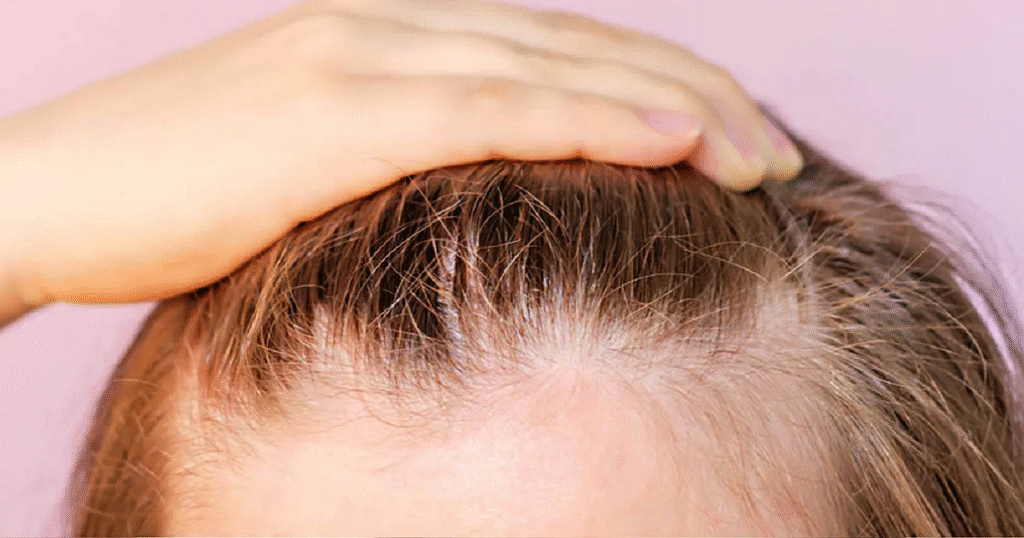
A receding hairline is usually the first sign that makes people seriously think about a hair transplant. I’ve worked closely with patients exploring Hair Transplant in Islamabad, and this is easily the most common question they ask: “Can it actually bring my hairline back?”
The short answer is yes but only when expectations, technique, and surgeon experience are aligned.
What Most Top-Ranking Articles Get Right?
After reviewing top Google results on this topic, a few patterns stand out.
What competitors usually cover well:
- Explanation of receding hairline and male pattern baldness
- Basic overview of FUE and FUT techniques
- Before-and-after promises
Where many fall short:
- They oversimplify results (“full restoration guaranteed”)
- Little discussion on hairline design (this is critical)
- Rarely explain who is NOT a good candidate
- Almost no mention of ethnic hair characteristics or age factors
Can a Hair Transplant Restore a Receding Hairline?
Yes, a Hair Transplant can restore a receding hairline but not in the way many people imagine.
A transplant doesn’t give you the hairline you had at 16. It gives you a natural, age-appropriate hairline that will still look good 10–20 years from now.
From real cases I’ve seen with specialists like Dr Afsheen Bilal, the success of a hairline transplant depends on three major factors:
- Donor hair quality (usually from the back of the scalp)
- Hairline design strategy
- Long-term hair loss planning
Hairline Design: The Most Underrated Factor:
This is where many clinics get it wrong.
An unnatural, straight, low hairline might look impressive at first but it ages badly. Experienced surgeons design hairlines with:
- Slight irregularity (natural zig-zag pattern)
- Proper temple angle
- Gradual density at the front
In my experience observing procedures in Islamabad, Dr Afsheen Bilal emphasizes conservative hairline placement, especially for younger patients. That restraint is what leads to natural-looking results years later.
FUE vs FUT for Receding Hairline:
Most Best Hair Transplant in Islamabad clinics now prefer FUE, and for good reason.
FUE (Follicular Unit Extraction):
- Minimal scarring
- Faster recovery
- Ideal for hairline work
- Allows precise graft placement
FUT (Strip Method):
- Can yield more grafts
- Leaves a linear scar
- Less flexible for hairline artistry
For frontal hairline restoration, FUE almost always delivers better cosmetic control.
Who Is a Good (and Bad) Candidate?
This is a question many blogs avoid.
Good Candidates:
- Stable hair loss pattern
- Strong donor area
- Realistic expectations
- Age 25+ (usually)
Not Ideal Candidates:
- Aggressive, ongoing hair loss
- Weak donor area
- Expecting a teenage hairline
- Under 21 with early recession
Ethical surgeons will actually say no if a transplant isn’t right yet. I’ve seen this firsthand during consultations in Islamabad.
How Natural Are the Results?
When done properly, people won’t know you had surgery. They’ll just think you look…better.
Natural results depend on:
- Single-hair grafts at the front
- Correct angle and direction
- Proper density planning
Patients I’ve followed up with around the 9–12 month mark often say the same thing: “I wish I’d done this earlier but I’m glad I waited for the right clinic.”
Recovery and Timeline:
Here’s what usually happens:
- First 2 weeks: Redness, scabbing, shedding
- 1–3 months: “Ugly duckling” phase (normal shedding)
- 4–6 months: Visible growth begins
- 9–12 months: Final hairline result
If a clinic promises instant density, that’s a red flag.
Cost vs Value in Islamabad:
Hair Transplant in Islamabad is more affordable than many international destinations, but price shouldn’t be the only factor.
Focus on:
- Surgeon involvement (not just technicians)
- Number of hairline cases performed
- Long-term patient reviews
Cheaper procedures often cost more in corrections later.
FAQ’s of Hair Transplant Really Restore a Receding Hairline?
Can a Hair Transplant Stop Future Hair Loss?
No. It restores lost hair but doesn’t stop genetic hair loss. Many patients combine it with medical therapy.
Will the Transplanted Hair Fall Out Again?
Transplanted hair is usually permanent because it’s resistant to DHT.
Is a Hairline Transplant Painful?
Most patients report mild discomfort, not pain.
How Many Grafts are Needed for a Receding Hairline?
Usually 1,000–2,500 grafts, depending on recession level.
Is Islamabad a Good Place for Hair Transplants?
Yes, if you choose an experienced, ethical surgeon.
Final Thoughts:
So, can a hair transplant really restore a receding hairline?
Yes, but only when it’s done thoughtfully, conservatively, and by the right hands.
From my real-world exposure to hair restoration cases, the biggest difference between good and great results isn’t the technology it’s judgment. Surgeons like Dr Afsheen Bilal stand out because they treat hairlines as a long-term aesthetic decision, not a quick cosmetic fix.
If you’re considering the Best Hair Transplant in Islamabad, take your time, ask tough questions, and choose expertise over hype. Your future self will thank you.